A visitor to Venice wondering whether Murano glass art is worth the detour has a clear answer: yes, because it is a living craft rather than only souvenirs. Start with the history, watch a demonstration, then visit the museum.
The craft rewards a little preparation. The history of murano glass explains why the island became a glassmaking centre, and the sections below turn that background into routes, technique comparisons, authenticity checks and places to see work.
What Murano glass art is
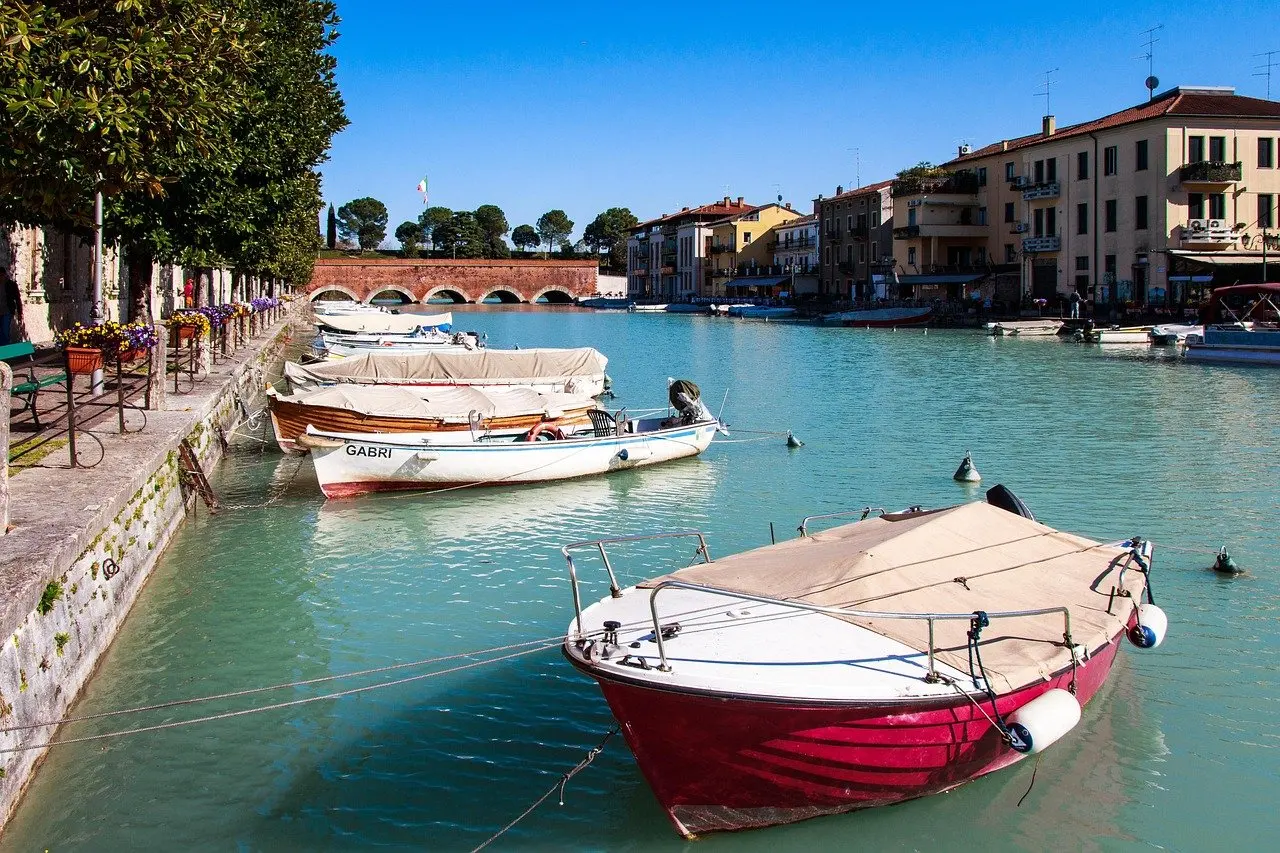
Murano glass art is hand-made glass valued for the maker’s technique, colour and form, not merely for its use as tableware or a keepsake. It belongs to the wider tradition of Venetian glass, and Murano is that tradition’s home. Vetro.dk points out that Murano is not a single island but a collection of seven small islands connected by bridges, with about 5,000 residents. The same guide calls it an intimate community, which suits a craft passed between neighbouring workshops.
The lineage is long. MuranoNet traces Venetian glassmaking to Asian and Islamic influences from as far back as the 7th century. In the Renaissance, Vetro.dk reports, Angelo Barovier invented “cristallo”, an extremely clear glass that revolutionized the industry. In the twentieth century, Murano workshops collaborated with major designers such as Carlo Scarpa, Gio Ponti and Ettore Sottsass. Designers of that stature working alongside the furnaces is a strong reason to read the island’s best output as art as well as craft.
The difference from souvenir glass is therefore a matter of how a piece is made and what the making contributes. A sculpture, a vessel with a demanding technique, or a designer collaboration earns attention for its process. A generic object earns it only for its subject or price. The practical checks for telling the two apart come later in this guide, after the techniques that give them meaning.
With the definition settled, the next question is how to approach the subject in the time available.
Routes through Murano glass art
The best starting point depends on the goal: a short visit, an understanding of technique, a purchase or a guided day. Each route below is an ordered path, and each points to the detailed section of this guide that supports it.
Short visit: watch, then look
- Read the background. The history section explains why the foundries sit on a separate island, which makes everything on the island easier to interpret.
- Watch glass being worked. MuranoNet notes frequent public demonstrations throughout the island, so a demonstration is easy to fit into a short stay.
- Finish in the museum. After seeing live work, museum cases covering centuries of glass read as the outcome of a process rather than a display of objects.
Technique first: understand before you look
- Start with the furnace. The section on furnace work explains what glass is and why shaping it is time-limited.
- Compare the methods. The comparison table gives each named technique a plain description, and the murano glass techniques guide goes further into each method.
- Test the vocabulary on real pieces. Names such as sommerso or murrine mean most once you can spot them in a window or gallery.
Buyer: decide what you want before you shop
- Learn the visual checks. The authenticity section lists qualities of colour and surface that handwork produces.
- Choose a format. Large lighting, wearable glass and small figures each have their own guides, listed in the authenticity section.
- Then compare sellers. The guide to where to buy murano glass in venice works best after the first two steps, because the questions you ask a seller depend on what you are looking for.
Guided day: let someone else plan
- Pick a guided option. MuranoNet reports a growing number of walking tours with experienced guides, which suits readers who prefer context delivered on site.
- Keep the background handy. A guide moves quickly, so skimming the history and technique sections beforehand makes the commentary easier to follow.
Whichever route you take, the story starts in the thirteenth century, when the glassmakers were moved off Venice itself.
How glassmaking came to Murano
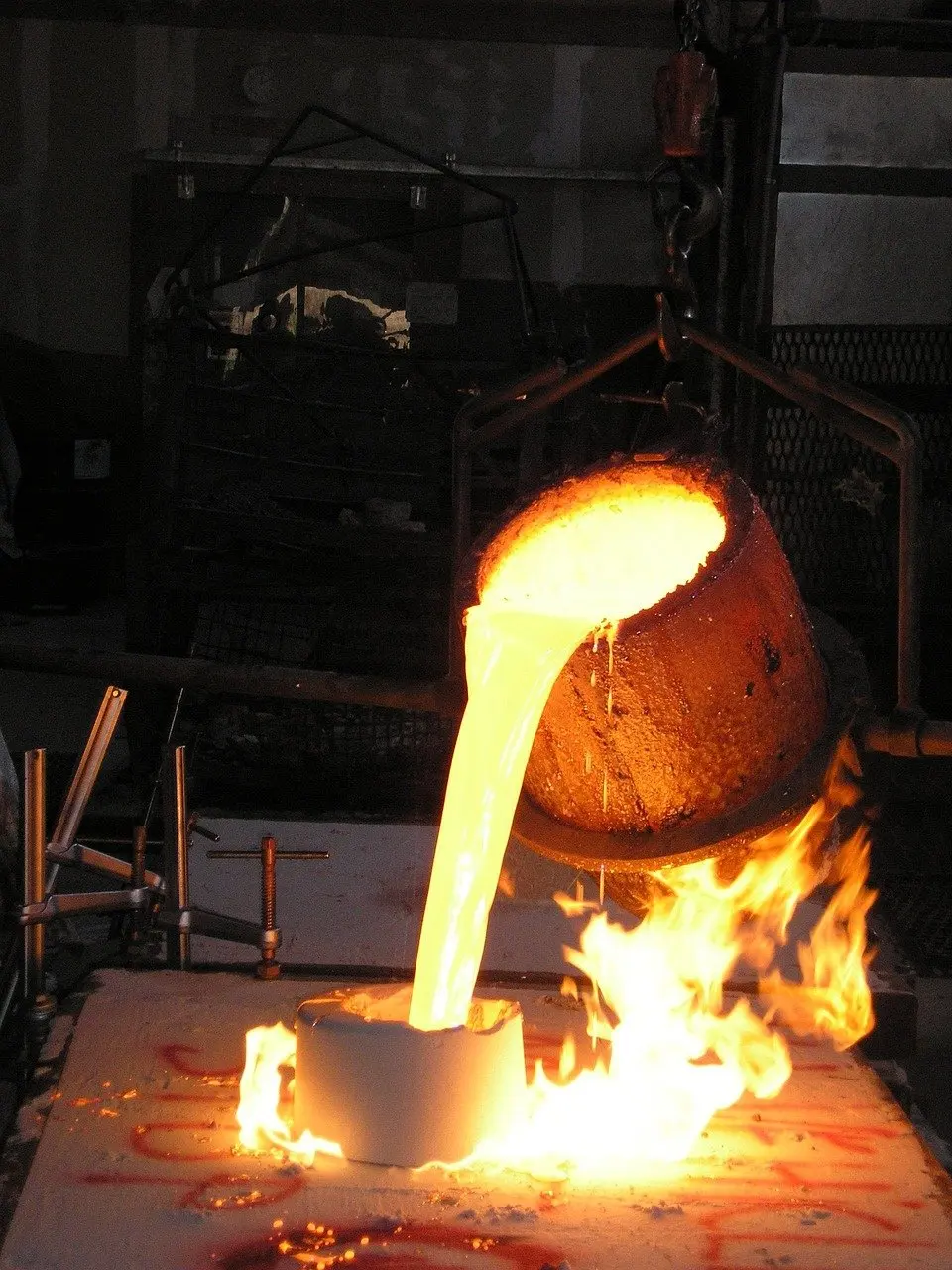
The Venetian Republic ordered glassmakers to move their foundries to Murano in 1291. Venice Travel Guide gives the reason as fear of fire and destruction to the city’s mostly wooden buildings. Vetro.dk dates the same move to 1291 and describes it as the start of a new era for the craft.
The move turned a safety measure into an identity. Furnaces concentrated on a single group of islands, and the craft developed there across the centuries that followed. A simple timeline shows how technique and relocation fit together:
- 1291: the Republic relocates the foundries to Murano, fearing fire in the wooden city.
- The Renaissance: Angelo Barovier’s cristallo sets a new standard for clarity.
- The twentieth century: workshops collaborate with designers including Carlo Scarpa, Gio Ponti and Ettore Sottsass.
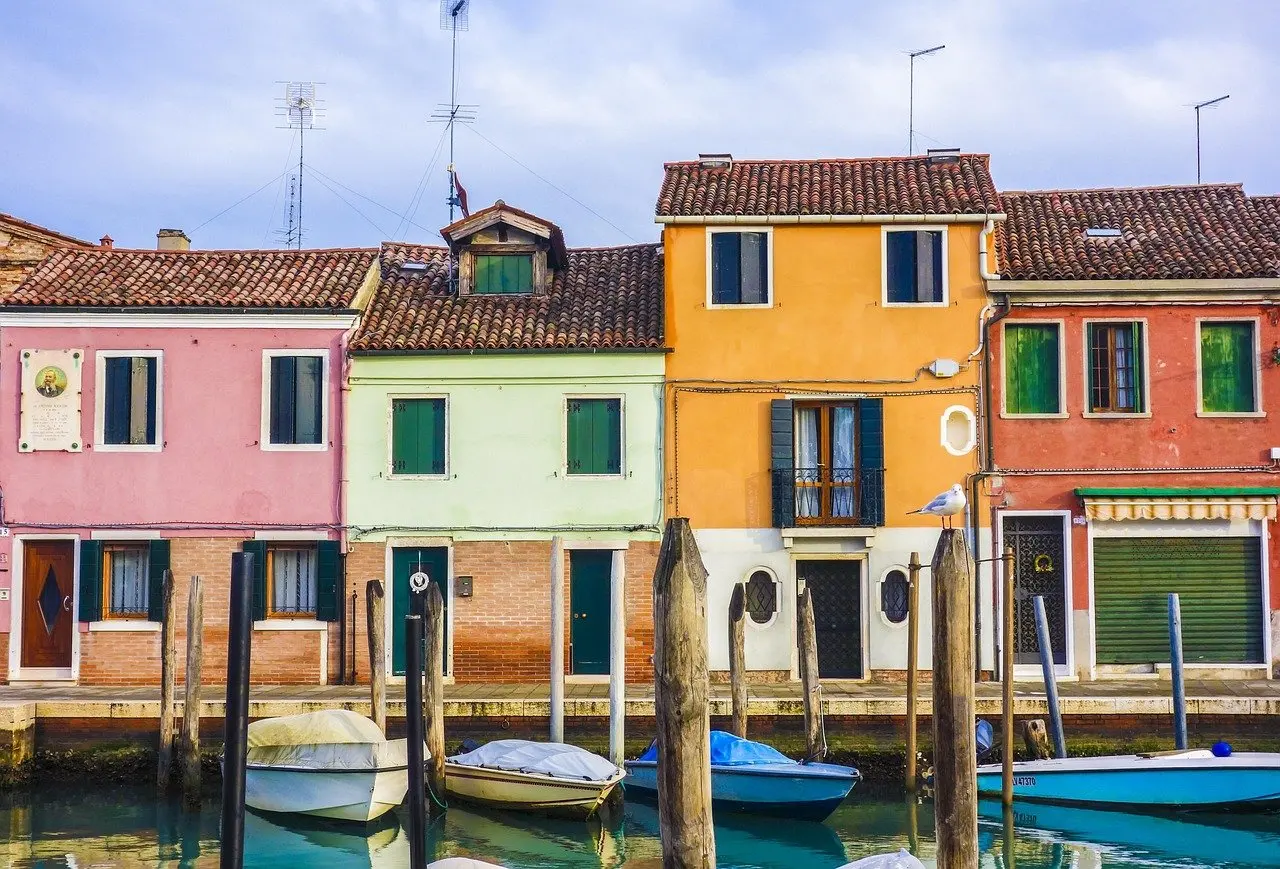
The timeline suggests a useful way to read any piece: ask which layer of this history it belongs to. A clear, colourless vessel points to the cristallo tradition, while a piece that looks like contemporary sculpture draws on the designer collaborations. For the full story, including the privileges and limits the Republic placed on its glassmakers, the history guide above is the place to go. What the makers actually do at the furnace is the next topic.
From furnace to finished piece
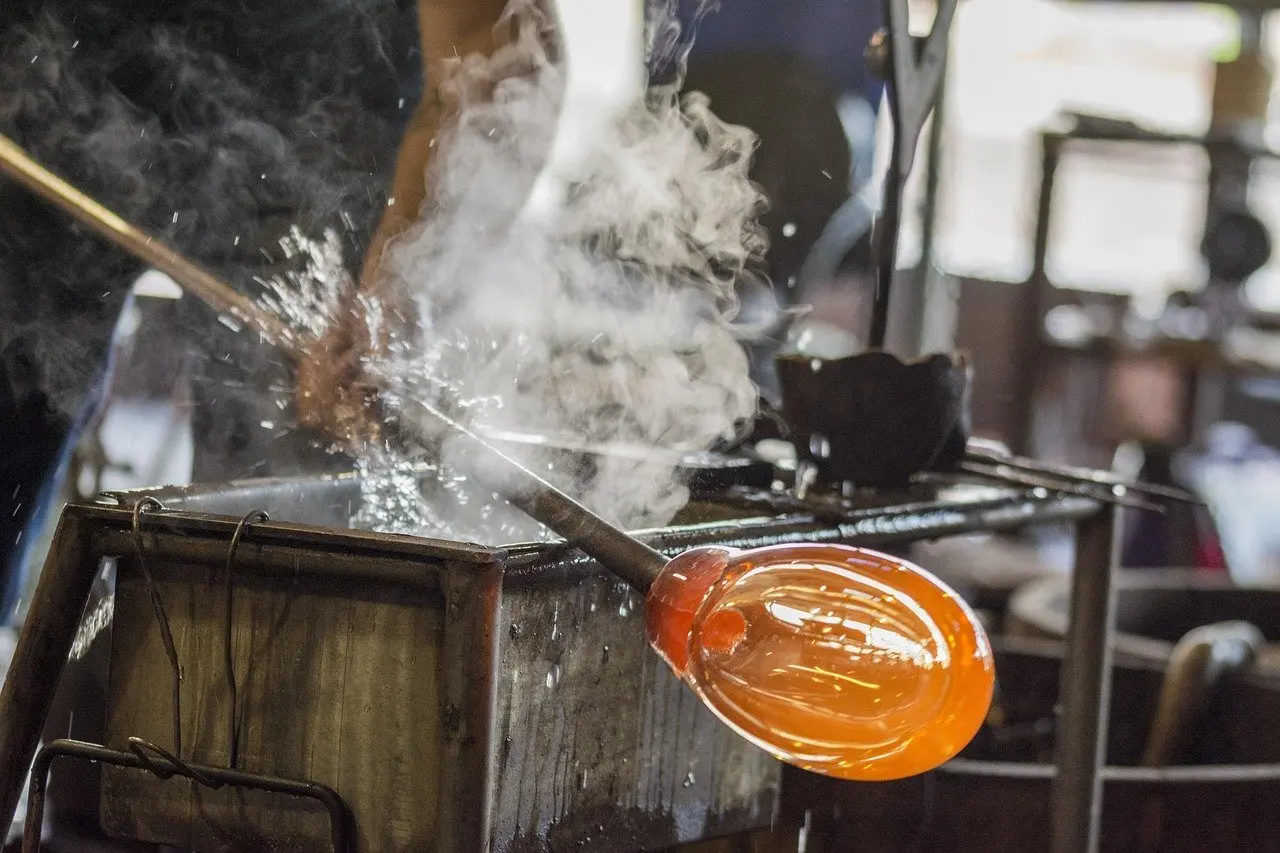
Glass is made from silica, which becomes liquid at high temperatures, and Venice Travel Guide notes that it stays soft for only a limited time before it hardens. That working window governs everything a maker does at the furnace, because shaping, adding colour and finishing must all happen while the material still moves.
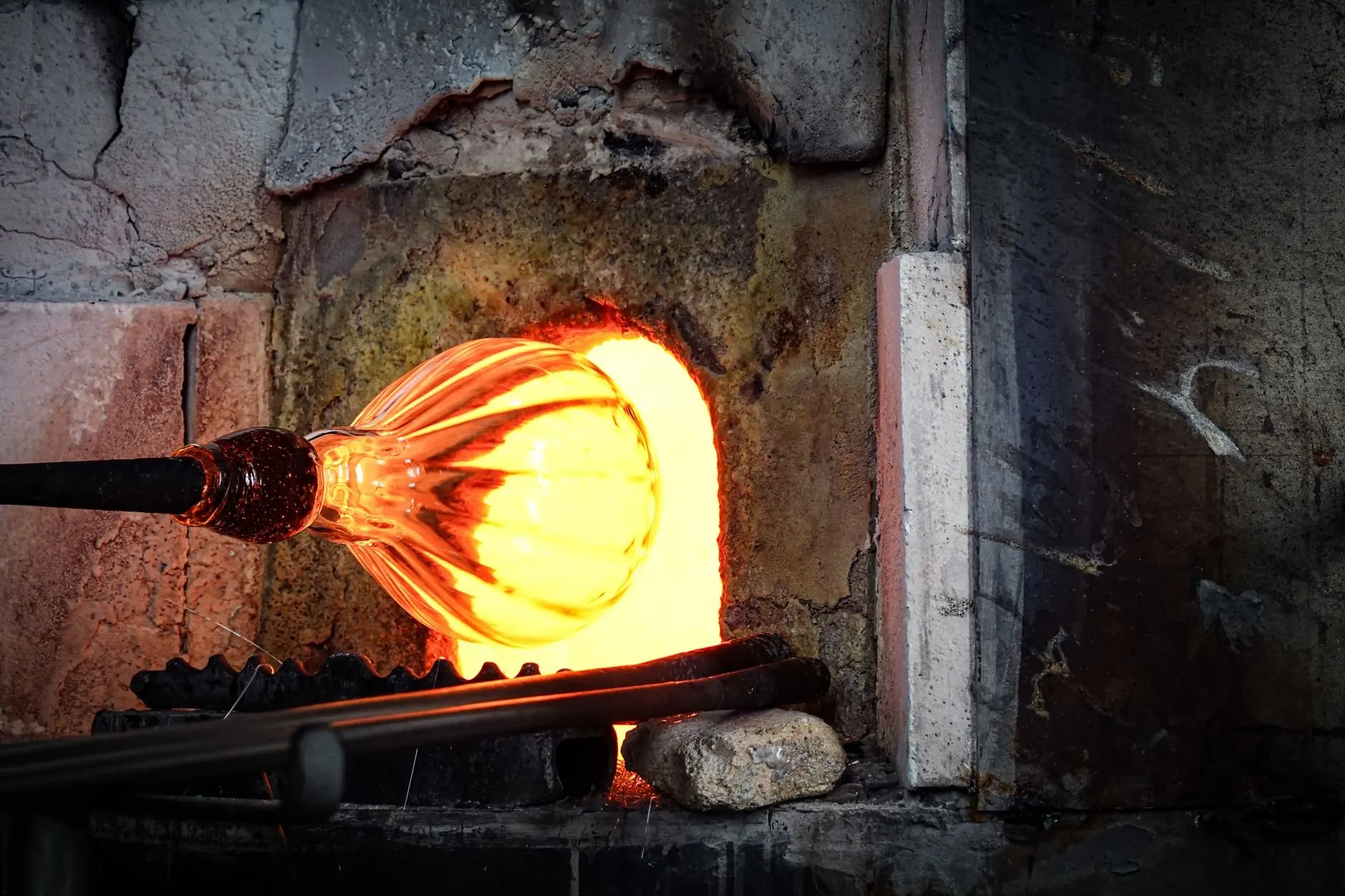
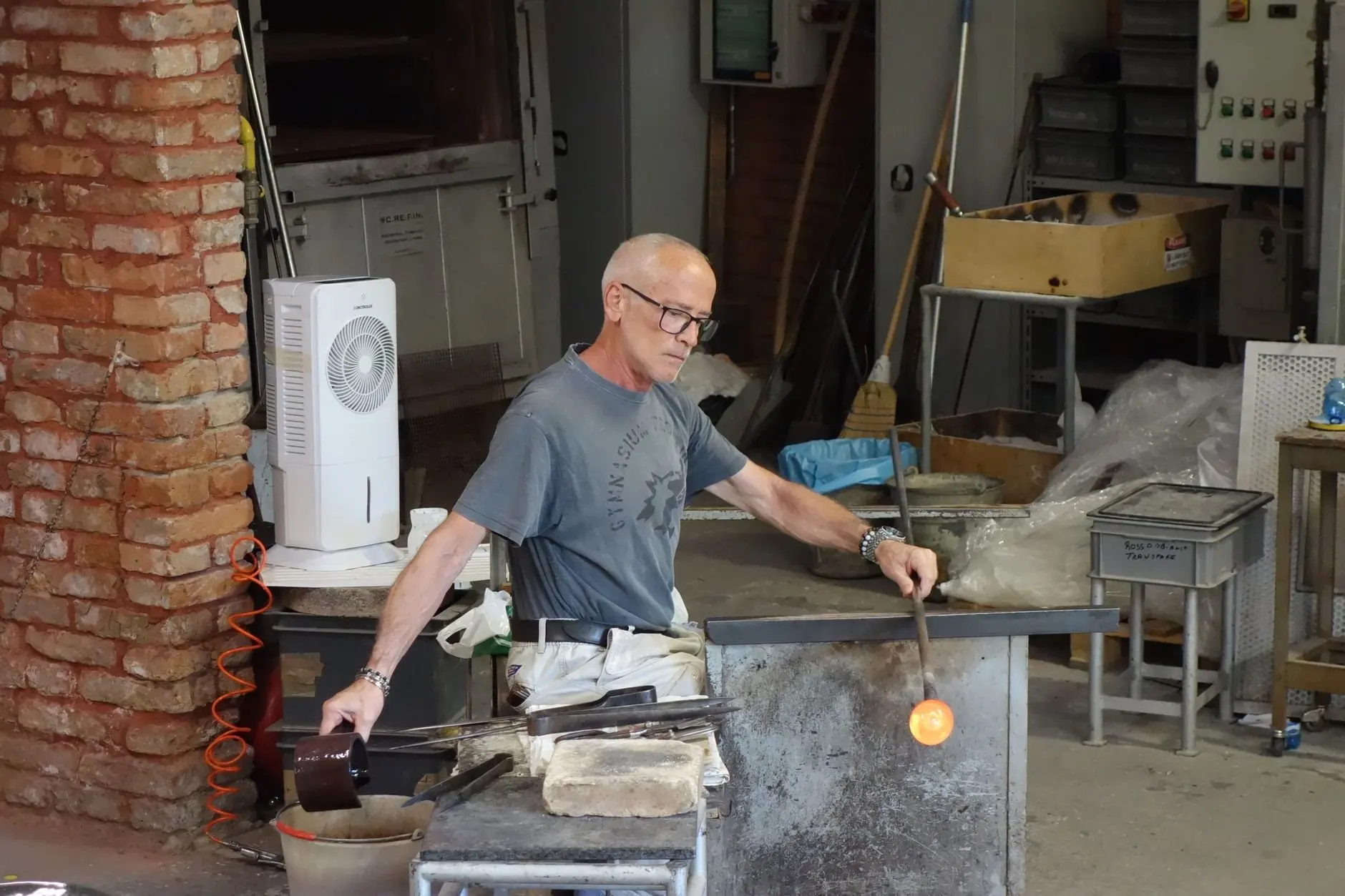
The classic method is soffiato, or glassblowing. As Vetro.dk describes it, the master gathers molten glass on a long iron rod and blows air in to create a hollow form. Hollow vessels, large rounded shapes and many sculptural bodies begin this way, with other techniques layered on top. Knowing the molten stage helps when watching a demonstration, since the glowing gather on the rod is the raw material of the finished work.
The how is murano glass made guide follows the process step by step. For the purposes of choosing and judging glass art, two points carry the most weight. Heat and softness explain why handmade pieces vary slightly, and the furnace stage explains why the best demonstrations are brief and focused on a single object.
Once the basic material and the blowing method are clear, the named techniques are easier to tell apart.
Murano glass techniques compared
Murano artists combine a small number of named techniques, and the names appear on labels, in museum captions and in conversation with sellers. The table sets them side by side with a practical use for each.
| Technique | What it involves | Date or period | Planning use |
|---|---|---|---|
| Soffiato (glassblowing) | Molten glass gathered on a long iron rod, with air blown in to make a hollow form | Not dated in the sources | Best experienced at a furnace demonstration, where the sequence is visible |
| Lampworking | The technique used for most Murano glass art | Not dated in the sources | The route to follow for small objects and beads |
| Murrine and millefiori | Coloured rods with patterns in cross-section, cut into thin slices and fused | Not dated in the sources | Look for repeated cross-section patterns across the surface |
| Sommerso | Layers of coloured glass encapsulated in clear glass | Not dated in the sources | Judge depth by looking through the clear outer layer |
| Filigrana | One of the most technically demanding techniques, seen in the finest pieces | Not dated in the sources | Treat it as a marker of high-end work and ask the maker about it |
| Avventurina | Glass with added copper flakes, discovered by accident | 17th century | Ask whether a piece uses it when a seller mentions it |
| Cristallo | Extremely clear glass invented by Angelo Barovier | Renaissance | Weigh clarity alongside the slight variations of handwork |
These descriptions draw on Vetro.dk’s guide to the tradition and Venice Travel Guide’s Murano article.
Lampworking and small objects
Most Murano glass art is made using the lampworking technique, according to Venice Travel Guide. That makes it the technique readers meet most often, especially in small figures and in beads. Bench work like this uses slender rods and small pieces rather than a gather on a blowing iron.
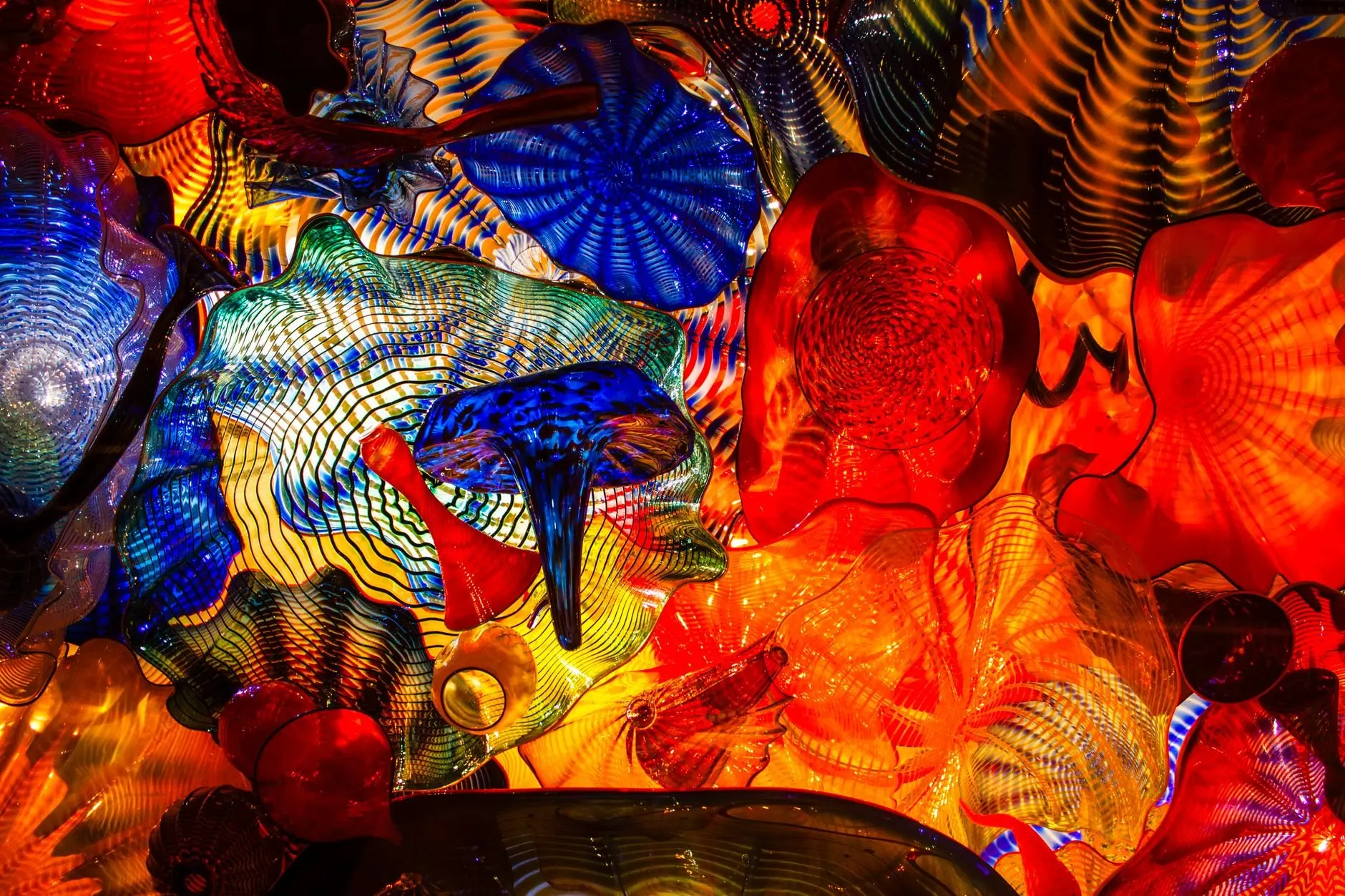
For beads in particular, the guide to murano lampwork beads covers how lampwork and murrine meet in a single small object. The size of the objects makes them a good entry point for readers who want to examine colour and finish up close.
Murrine and millefiori
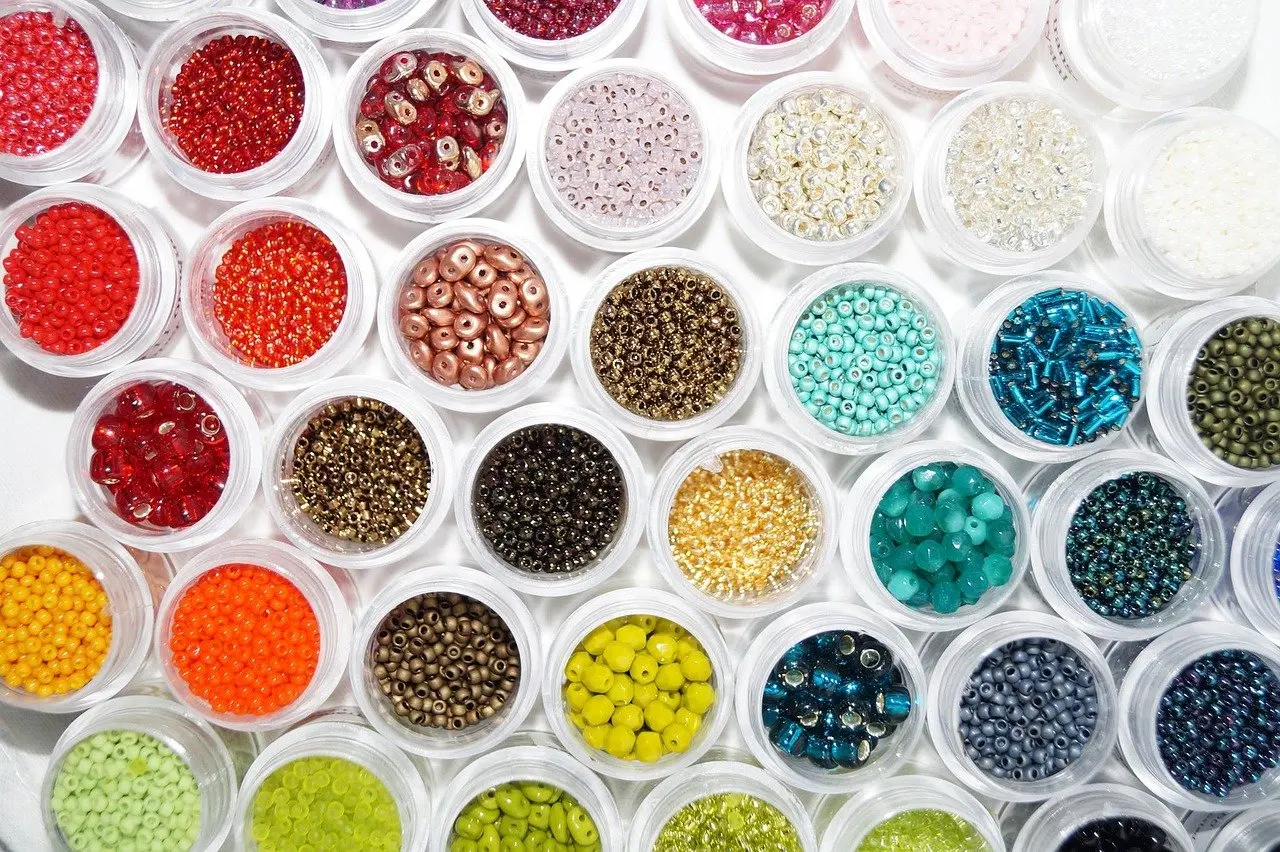
Murrine start as coloured glass that is stretched into long rods called canes, and the canes are then sliced. Vetro.dk describes the millefiori version: thin rods with coloured patterns in cross-section are cut into thin slices, and the slices are fused to form a pattern-covered surface. The result is a mosaic effect built from many tiny identical cross-sections.
When looking at a millefiori piece, check that the patterned discs sit inside the glass and form a coherent field rather than a printed or painted look. The guide on what is millefiori glass explains the pattern vocabulary in more depth.
Layers, flakes and clarity
Sommerso, filigrana, avventurina and cristallo each answer a different design question. Sommerso asks how much depth colour can have, and the encapsulation of colour in clear glass gives that depth. Filigrana is the showpiece for technical skill, and its reputation as one of the most demanding techniques is why finer pieces advertise it. Avventurina is a reminder that a discovery by accident can become a signature, since copper flakes added to glass in the 17th century produced a recognised effect. Cristallo moves in the opposite direction, removing visible colour altogether.
A collector who understands these choices can compare pieces on what the maker was trying to achieve. The next question is how to confirm that a piece comes from genuine Murano craftsmanship at all.
Telling authentic work from imitations
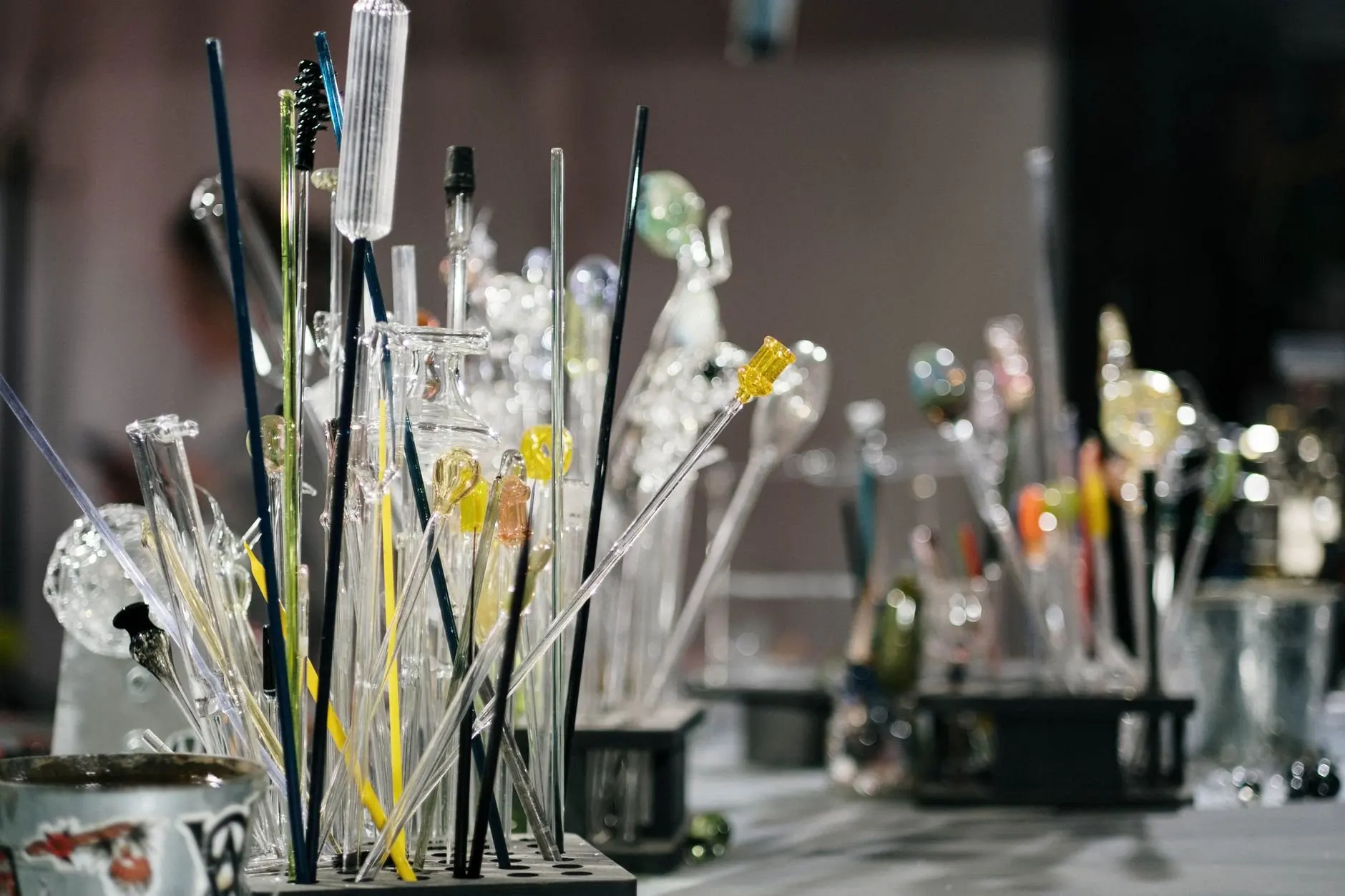
Vetro.dk offers two visual checks that anyone can apply without equipment. The first concerns colour: in genuine Murano glass the colours are integrated into the glass, not applied to the surface. The second concerns regularity: perfectly uniform glass is machine-made, while genuine Murano glass has subtle, charming variations.
- Look into the glass. Colour that sits inside the body, as in sommerso layers or millefiori slices, fits handmade work. Colour that looks like a coating on the surface does not.
- Expect small irregularities. Slight differences in thickness or form between pieces are consistent with handwork. A flawless, identical row is the pattern of machine production.
- Match the claim to the technique. A seller who names filigrana, sommerso or murrine should be able to explain what the technique looks like in that piece. The comparison table above gives the vocabulary to ask sensible questions.
These are visual indicators, and they work best as a first filter. Variation shows handwork, but by itself it does not identify where a piece was made. The guide on how to tell if murano glass is real develops the checks, and the vetro artistico murano trademark is the next thing to look into for readers who want documented provenance rather than appearance alone.
The format also shapes what to look for. Lighting, wearable glass and animal figures each put the same techniques to different use, so the checks apply differently to each. The guides to murano glass chandeliers, murano glass jewelry and murano glass figurines take those formats one at a time. Readers who treat a purchase as art rather than decoration should favour pieces where the technique is visible and explainable, since that is where the maker’s contribution is easiest to judge.
Where to see Murano glass art
Murano lies about a mile north of Venice and is famous for its glassmaking, according to Venice Travel Guide. That short crossing makes a half-day or full-day visit practical, and the guide on how to get to murano from venice covers the logistics.
The museum
The Museo del Vetro, which Venice Travel Guide calls the Museo Vetrario, is housed in Palazzo Giustinian and holds glass samples ranging from Egyptian times through the present day. That span is the main reason to go: it lets visitors see historical masterpieces beside later and more recent work, which places contemporary pieces in context. The murano glass museum guide covers the collection in more detail.
Factories and galleries
Working premises are the second place to see current output. Venice Travel Guide lists the Guarnieri Glass Factory at Fondamenta Serenella 3/4, 30141 Murano, as an art gallery, a useful example of a factory that presents glass as art. The guide to murano glass factories covers how furnaces and showrooms work together on the island.
Demonstrations and tours
Public demonstrations take place frequently throughout the island, per MuranoNet, so seeing a piece made is straightforward. The same source reports a growing number of walking tours led by experienced, entertaining guides. For readers deciding between a self-led visit and a guided one, the list of murano glass tours compares the options. A reasonable plan is to see a demonstration, visit the museum for range, and look at gallery work for the contemporary end of the spectrum.
Frequently asked questions
| Question | Answer |
|---|---|
| What privileges and limits did Murano glassmakers have? | Venice Travel Guide says glassmakers were not allowed to leave the Republic, though by the 14th century they were allowed to wear swords. |
| How much of Murano worked in glass at the height of the trade? | By the end of the 16th century, three thousand of Murano’s seven thousand inhabitants were involved in glassmaking, according to Venice Travel Guide. |
| Which is the oldest glass factory on Murano? | Venice Travel Guide names Antica Vetreria Fratelli Toso, founded in 1854. |
| When did the Glass Museum open? | The Glass Museum opened in 1861 and gathered historical masterpieces for inspiration, as Vetro.dk reports. |