Murano glass jewelry is best chosen by technique: beaded necklaces for lampworked colour, millefiori for patterned earrings, and pendants for a single focal piece. Ask where the glass and the finishing come from before paying.
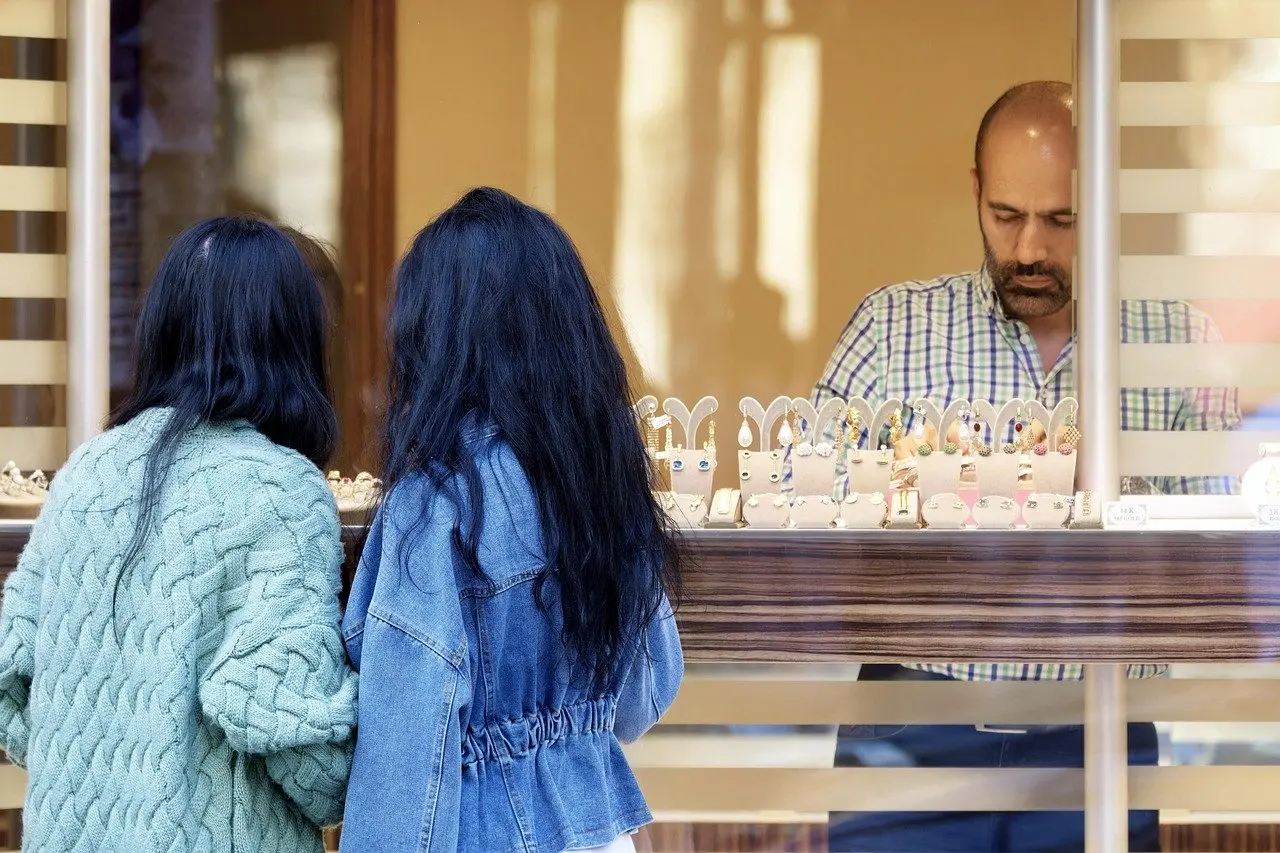
Picture a first-time buyer in Venice facing trays of necklaces, earrings and pendants that all say Murano. Technique and disclosure narrow the choice faster than colour does, and each type below suits a different wearer and budget.
For the wider craft behind these pieces, start with the guide to murano glass art, then return here for wearable options. Larger statement objects are covered in murano glass chandeliers and murano glass figurines.
Glass bead necklaces
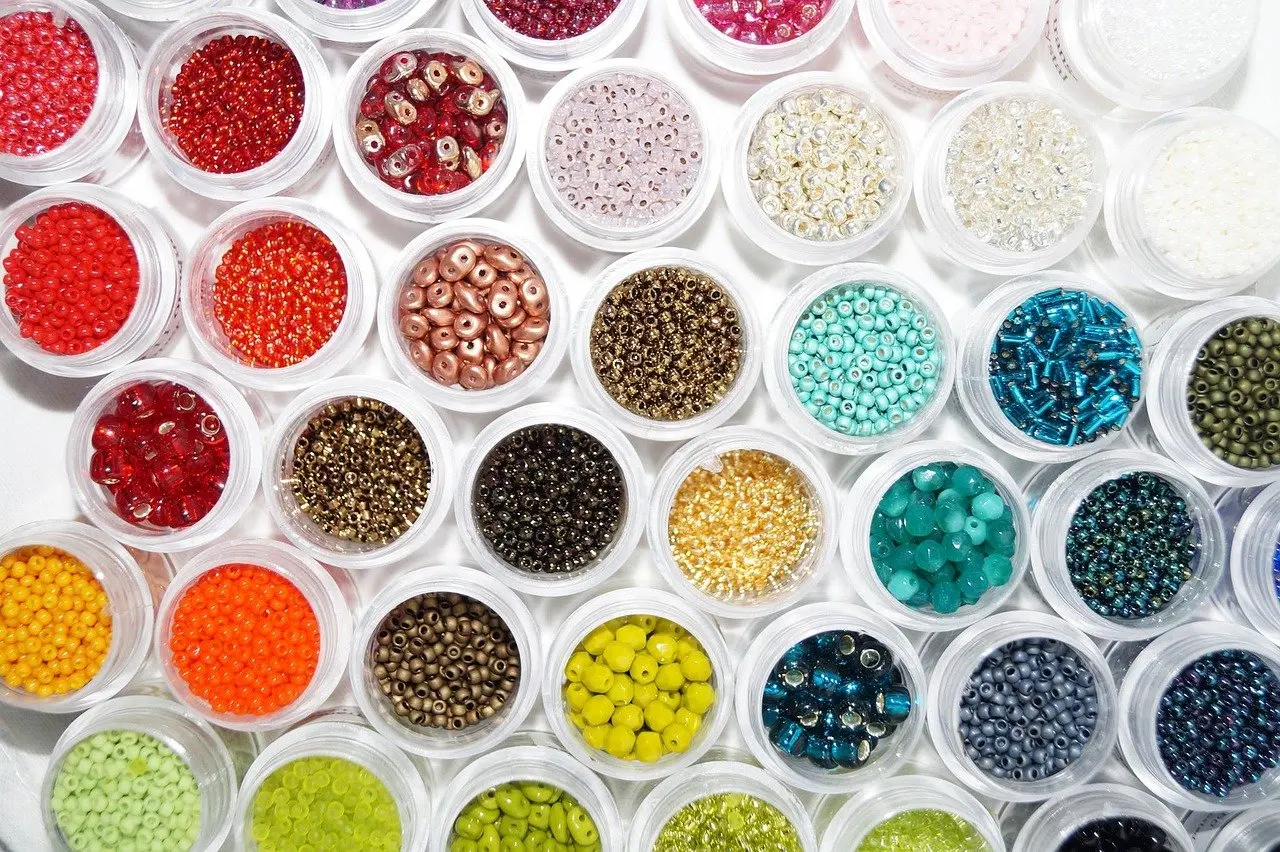
Beaded necklaces are the natural first choice for anyone who wants colour that reads from a distance. In one retailer’s Murano collection, necklaces are the largest jewelry type, with 127 necklace listings against 89 for earrings and 32 for bracelets. That depth of choice helps if you want a particular palette, and it also means more pieces to sort through.
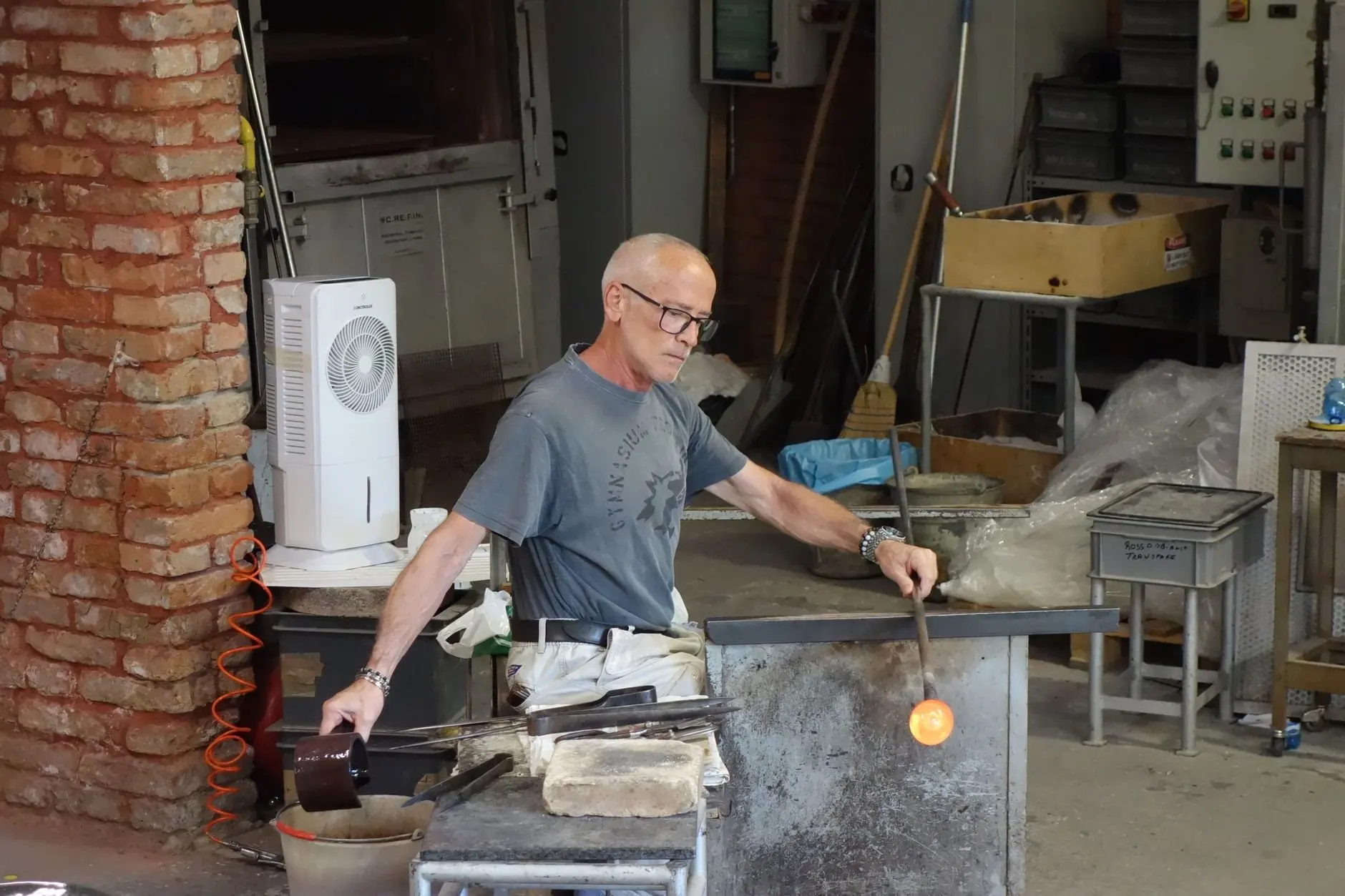
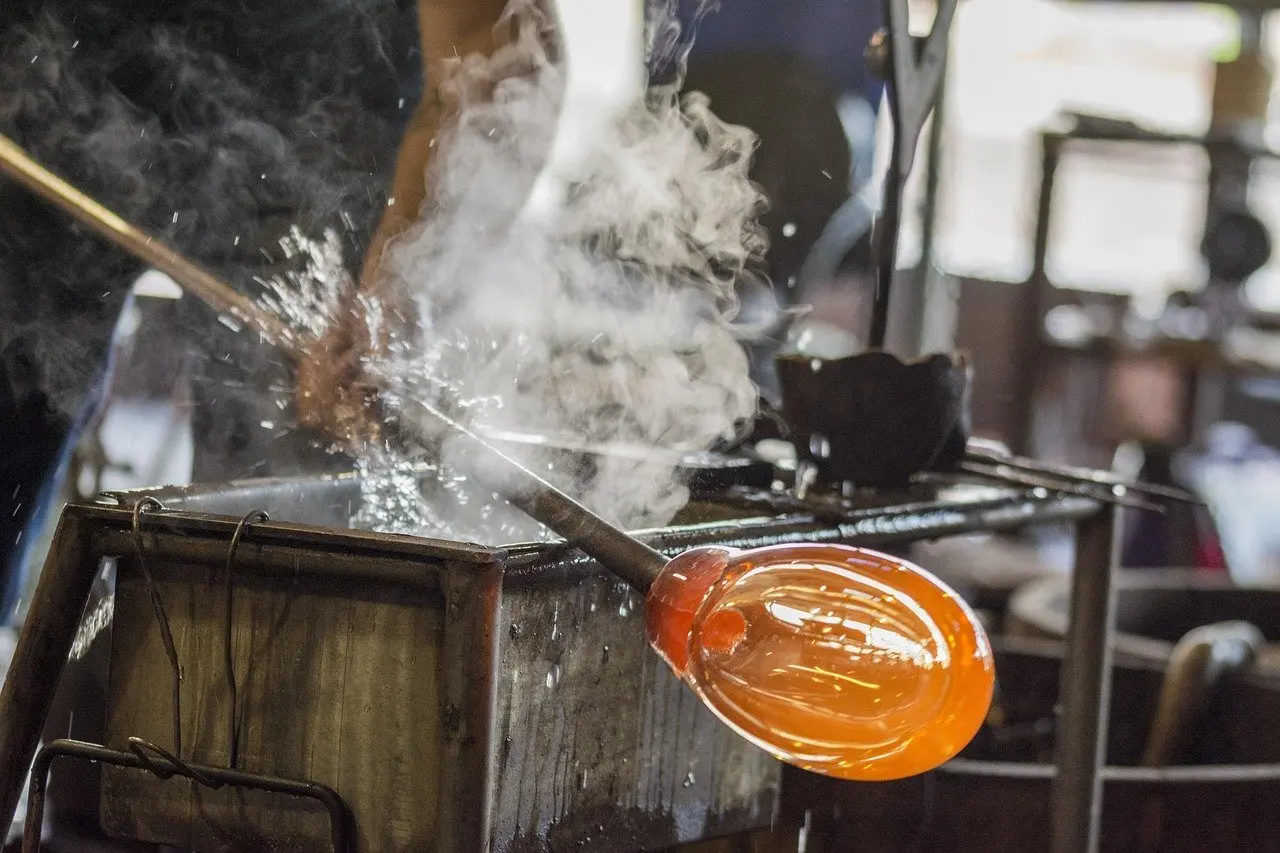
The same retailer says its pieces are hand-blown, lampworked, or made from millefiori glass canes. Lampworking is therefore one of the named routes to a handmade bead, which answers how Murano glass beads are made at the level a buyer can check: ask which of those methods produced the beads in front of you. A Murano seller, Millefiori Online, lists Murano glass beaded necklaces and pendants as part of its range, so beads on a strand are a standard product rather than a rarity.
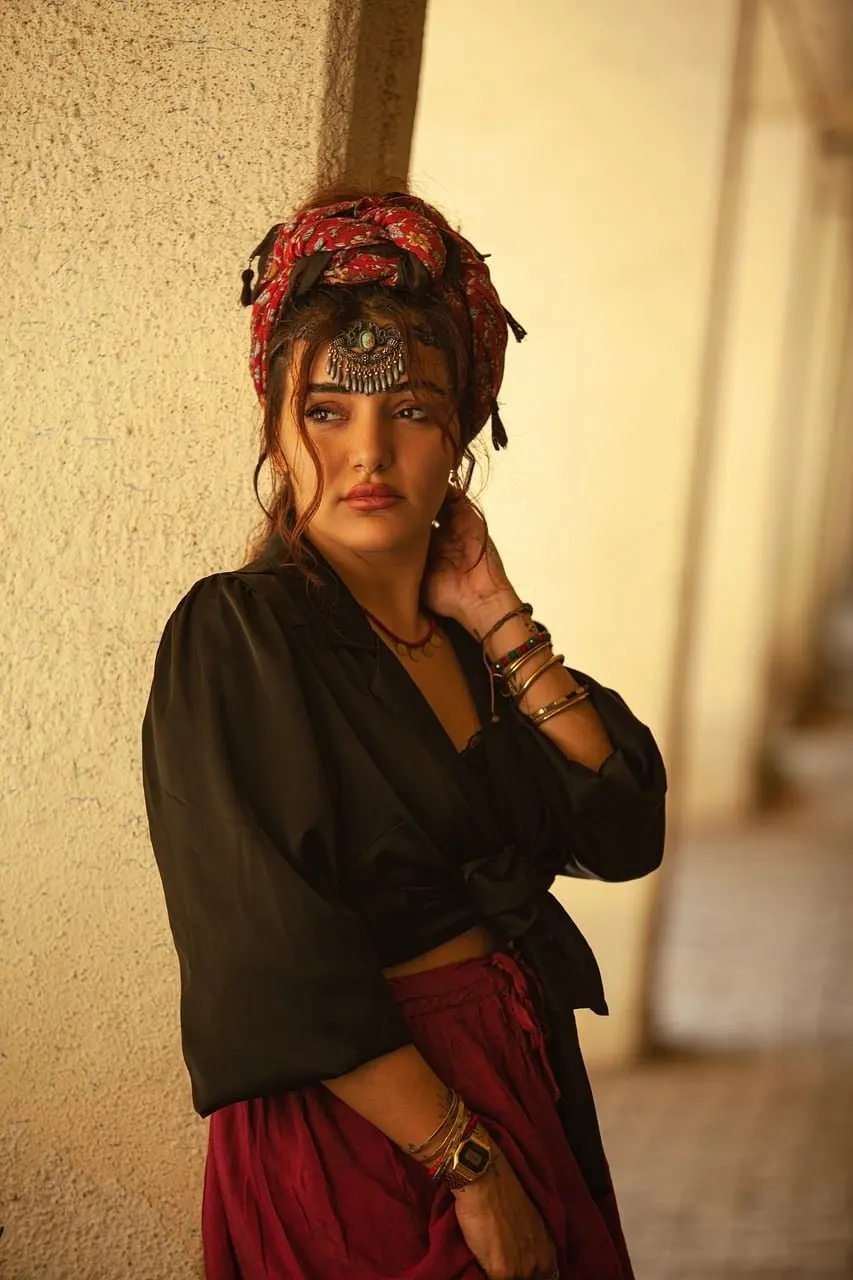
Bead necklaces suit buyers who want a wearable souvenir with visible craft. They suit less well anyone who needs a very light piece, because a multi-strand design carries more glass. The listed Blue Royale Triple Strand Necklace is priced at $239.00 USD, the top of the examples in the price table below, which shows how strand count can move a necklace up the scale.
The retailer frames the appeal as an ancient glassmaking tradition that continues in the hands of its artisans. That is a seller’s description of Murano’s heritage, and it is a reason to value provenance, not a guarantee of it for any individual piece.
Millefiori earrings
Millefiori earrings suit buyers who like pattern over solid colour. Millefiori pieces are crafted from glass canes, which is why the technique is associated with small repeating motifs that sit well on a compact earring.
Earrings are the easiest way into the category. The Blue Royale Long Clip-On Earrings are listed at $49.00 USD, the lowest of the retailer’s example prices. The clip-on format matters for anyone without pierced ears, so check the fitting before falling for a design.
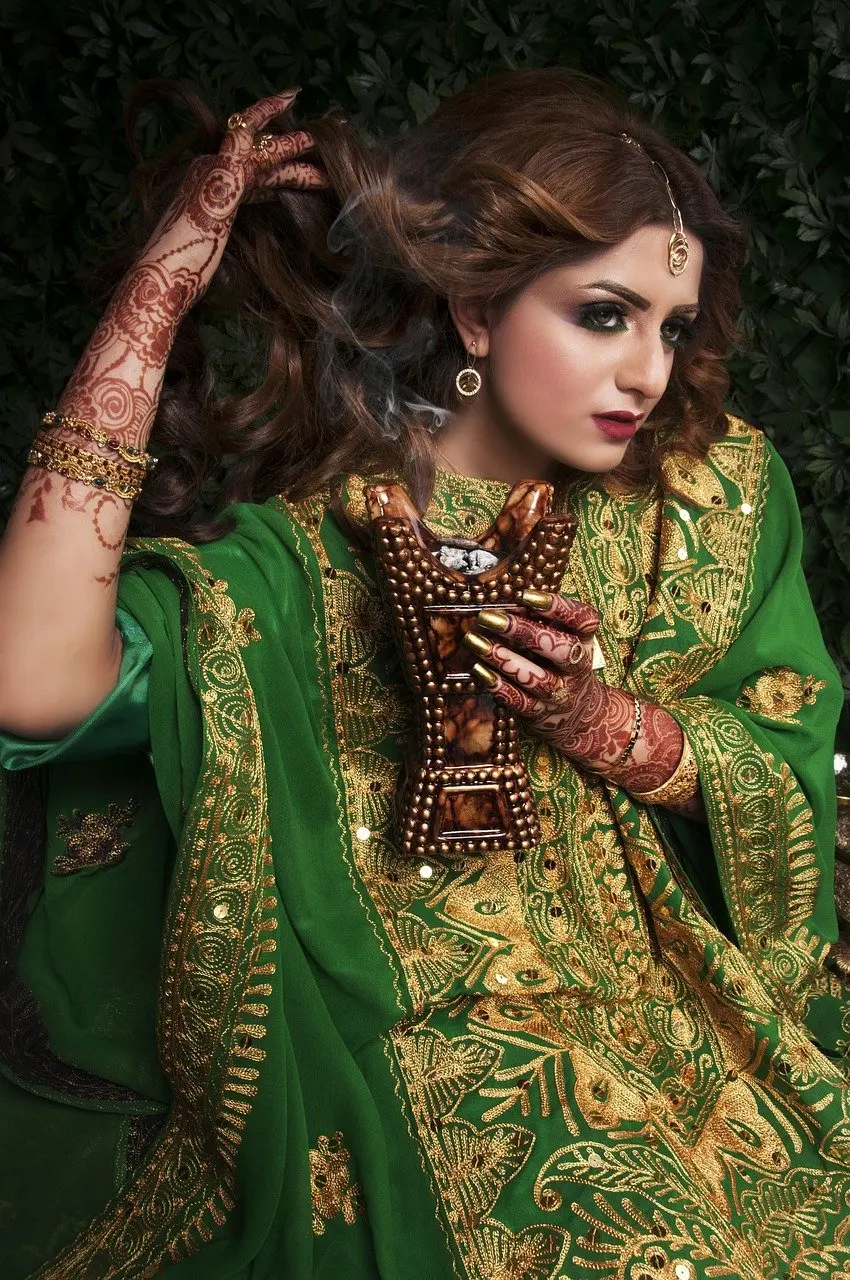
Searching for Murano glass earrings in Venice, expect a wide field, because earrings are the second largest jewelry type in that collection. Choose millefiori if you want pattern, and choose a plain lampworked drop if you prefer a single saturated colour.
Glass pendants
A pendant suits someone who wants one focal piece rather than a full strand. It also works as a gift, because a single drop is easier to match to a chain and a wardrobe than a bead necklace.
The Celebrare Necklace is listed at $129.00 USD and carries a best seller label, which places a pendant-style piece between earrings and the triple-strand necklace on cost. Pendants are also offered alongside beaded necklaces by Millefiori Online, so a matching bead strand and pendant are often available as a pair.
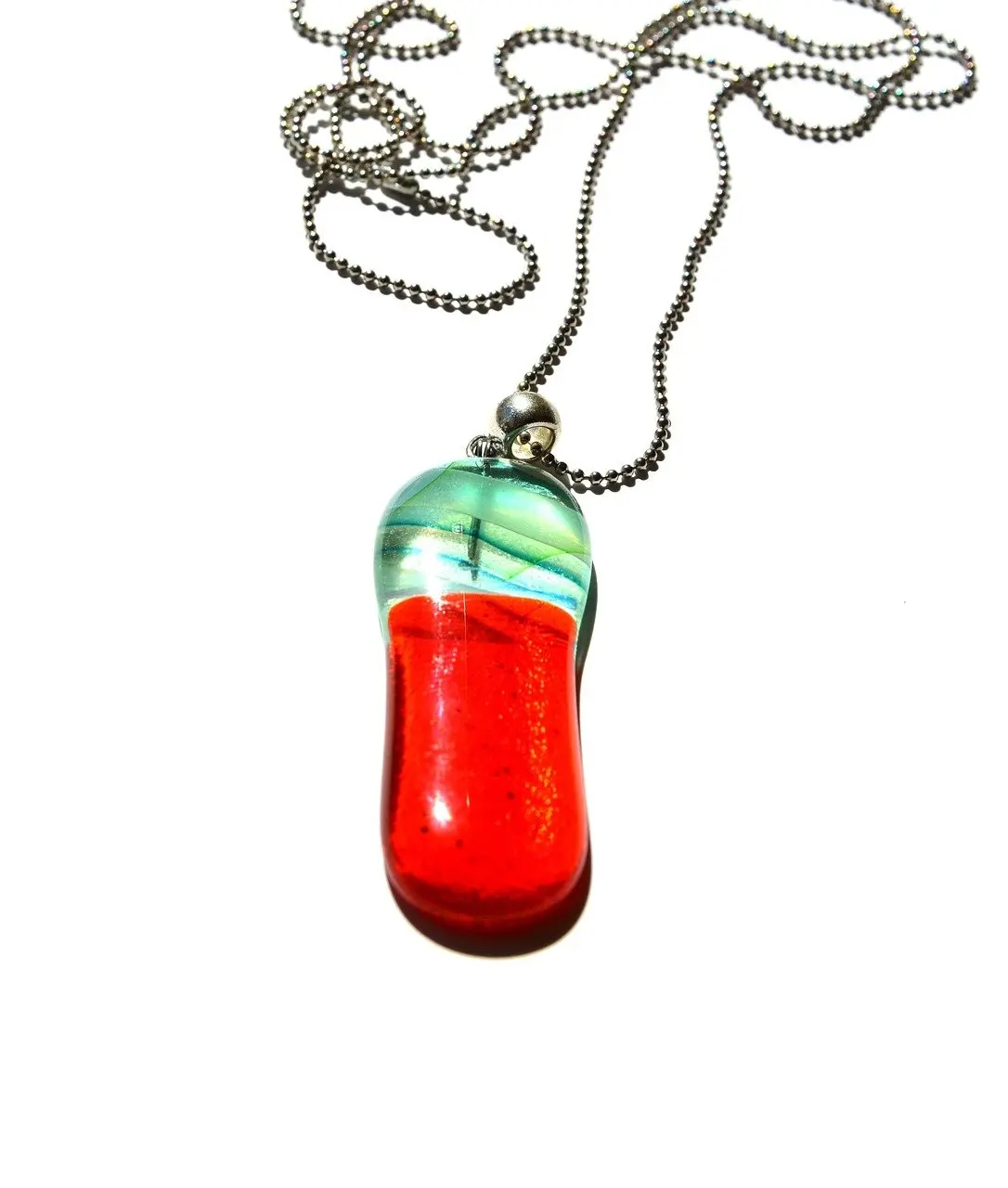
The limitation of a pendant is that the glass is the whole statement. With only one element to judge, flaws in finish and the fitting at the top are easier to spot, so inspect those areas closely.
Bracelets and brooches
Bracelets suit buyers who want glass that stays visible while moving. The listed Blue Royale Bracelet is $89.00 USD, which puts it in the middle of the example prices.
Choice is narrower here. The collection has fewer bracelets than necklaces or earrings, and only a handful of brooches, so bracelet shoppers should decide on size and colour early rather than hoping a large selection will appear.
How to judge handmade quality and origin
Murano glass jewelry differs from other glass jewelry mainly through provenance and named technique, not through appearance alone. Because glass of many origins looks similar on a tray, the useful checks are about what the seller can tell you.
- Ask for the technique. Hand-blown, lampworked and millefiori cane work are the methods one retailer names. A seller who can say which one applies to a piece is more reassuring than one who says only that it is handmade.
- Ask where the glass comes from. One maker states that its glass comes from Effetre, which it describes as Murano’s last local producer. That is the seller’s own claim, but it shows the kind of specific, checkable answer to look for.
- Glass sourced in Murano can therefore be worked into jewelry in more than one place, and a clear answer separates a Venice-made piece from an assembled one.
- Treat the Murano label as a starting point. The retailer tags 281 listings as Murano Venetian Glass, so the phrase covers a very broad range of pieces and tells you little about any single one.
These checks answer how to tell handmade from imported pieces without a laboratory: a confident, specific answer on technique, glass and workshop is the best available signal.
Price ranges by type
| Type | Listed example | Listed price (USD) | Planning use |
|---|---|---|---|
| Earrings | Blue Royale Long Clip-On Earrings (preorder) | $49.00 | Lowest entry point, suits a first purchase or a gift |
| Bracelet | Blue Royale Bracelet (preorder) | $89.00 | Mid-range, best when size is already settled |
| Pendant necklace | Celebrare Necklace (preorder) | $129.00 | One focal piece with a mid-to-upper budget |
| Multi-strand bead necklace | Blue Royale Triple Strand Necklace | $239.00 | Top of the examples, a statement purchase |
These figures are listed prices from one retailer’s Murano glass collection, and several are preorder items.
Treat the table as a guide to relative cost between types, not a guaranteed market range. Compare like with like, such as one earring against another, and expect handmade work with a named technique to cost more than anonymous pieces.
Decision checklist
- Pick the type you will actually wear, starting from earrings if budget is tight.
- Set a ceiling by type using the price table.
- Decide between lampworked colour, millefiori pattern or a single pendant.
- Put your origin questions to the seller before handing over payment.
- Check fittings, such as clip-on versus pierced, and the clasp or bail last.
Frequently asked questions
What makes Murano glass jewelry different from other glass jewelry?
The difference lies in where the glass tradition comes from. Retailers describe an ancient glassmaking tradition continuing among Murano artisans, and they name hand techniques such as lampworking and millefiori cane work as the basis of their pieces.
Are millefiori and lampworked pieces the same thing?
No. The retailer lists them as separate methods alongside hand-blown glass. Millefiori work is built from glass canes, while lampworked pieces are a different named technique.
Does a Murano label prove a piece is handmade?
No. The label is applied broadly across a very large number of listings, so a specific answer from the seller about technique and glass source is the stronger evidence.
What price range is realistic for a first piece?
In the retailer’s collection, clip-on earrings are listed at $49.00 USD, which makes earrings the lowest-cost way to try the category.