Murano glass figurines are easiest to choose by subject first (animals, clowns or fish), then by technique, then by how clearly the listing states handmade work. Listed prices run from small, inexpensive pieces to large sculptures.
Picture a shelf of glass in a Venice shop: elephants, a clown, a blue fish, a sailboat. The choice narrows once subject, making method and price scale are separated. The sections below sort pieces that way, and the wider craft sits under murano glass art.
Animal figurines: birds, elephants, cats and dogs
Animal figurines are the broadest group of Murano glass figurines. One retailer’s animal collection lists birds, elephants, cats, dogs and fish, and 28 of its 34 products are figurines.
This group suits first-time buyers and gift shoppers because the subjects are instantly recognisable and the range of sizes is wide. A set, such as an elephant family, gives a grouped display from one purchase. A single cat or pig suits a small shelf or desk. The limit is that a collection page shows what one seller stocks, so the same animal can look quite different from another workshop’s version of it.
Decorative surface patterns are worth noticing in this group. A millefiori cat is listed in the same collection as plain small animals, and the price table further down shows that the patterned piece sits higher.
Murano glass clowns
Murano glass clowns are figure pieces rather than animals, so a clown is judged on costume detail, pose and accessories rather than on a species. Hat, ruff, bow tie and a held object such as an instrument or umbrella are the details that separate one clown from another.
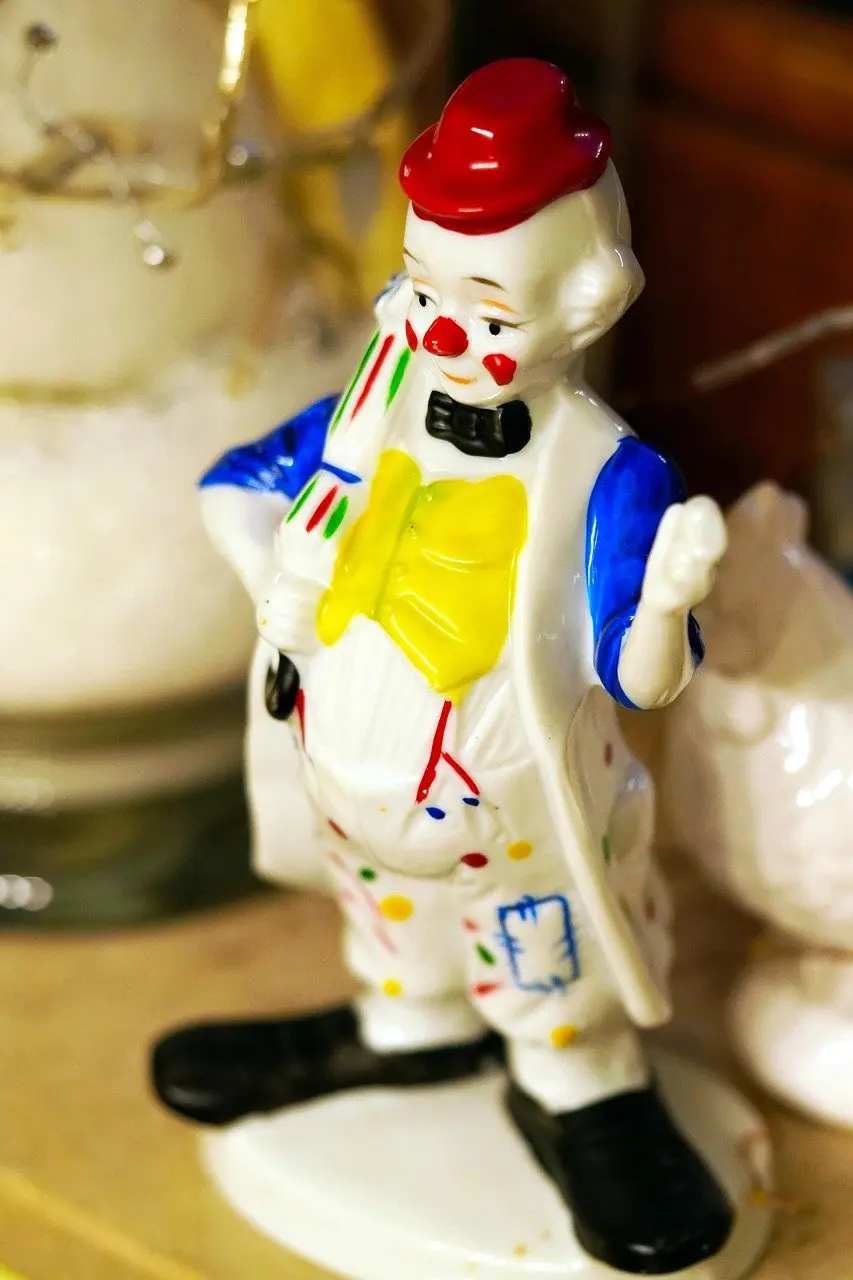
Clown figurines are produced in several materials, so the first check is that the listing names Murano glass and not simply “figurine”. Small accessories and facial details are the parts to compare between listings, and a hand-shaped glass clown will not be identical to its neighbour on the shelf. A seller that names the technique, such as lampworking, gives more to go on than a general description.
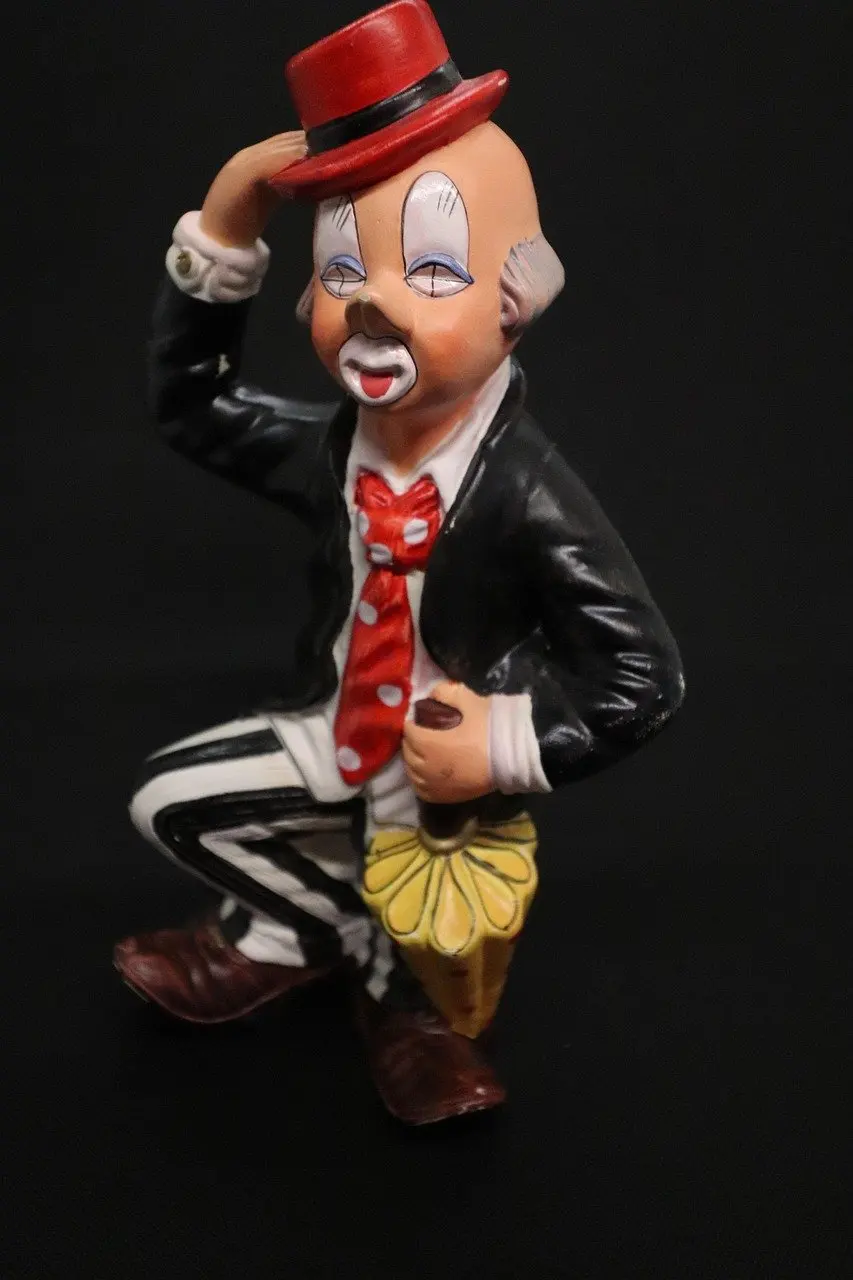
Clowns suit buyers who want a character piece with a display pose. They suit less well anyone seeking the colour-layered look associated with fish pieces, which is covered next.
Murano glass fish and sailboats
Murano glass fish belong to a water-themed group that also includes sailboats and aquariums. A retailer’s summer figurine page names fish, sailboats, aquariums and birds as the subjects that inspire its artisans.
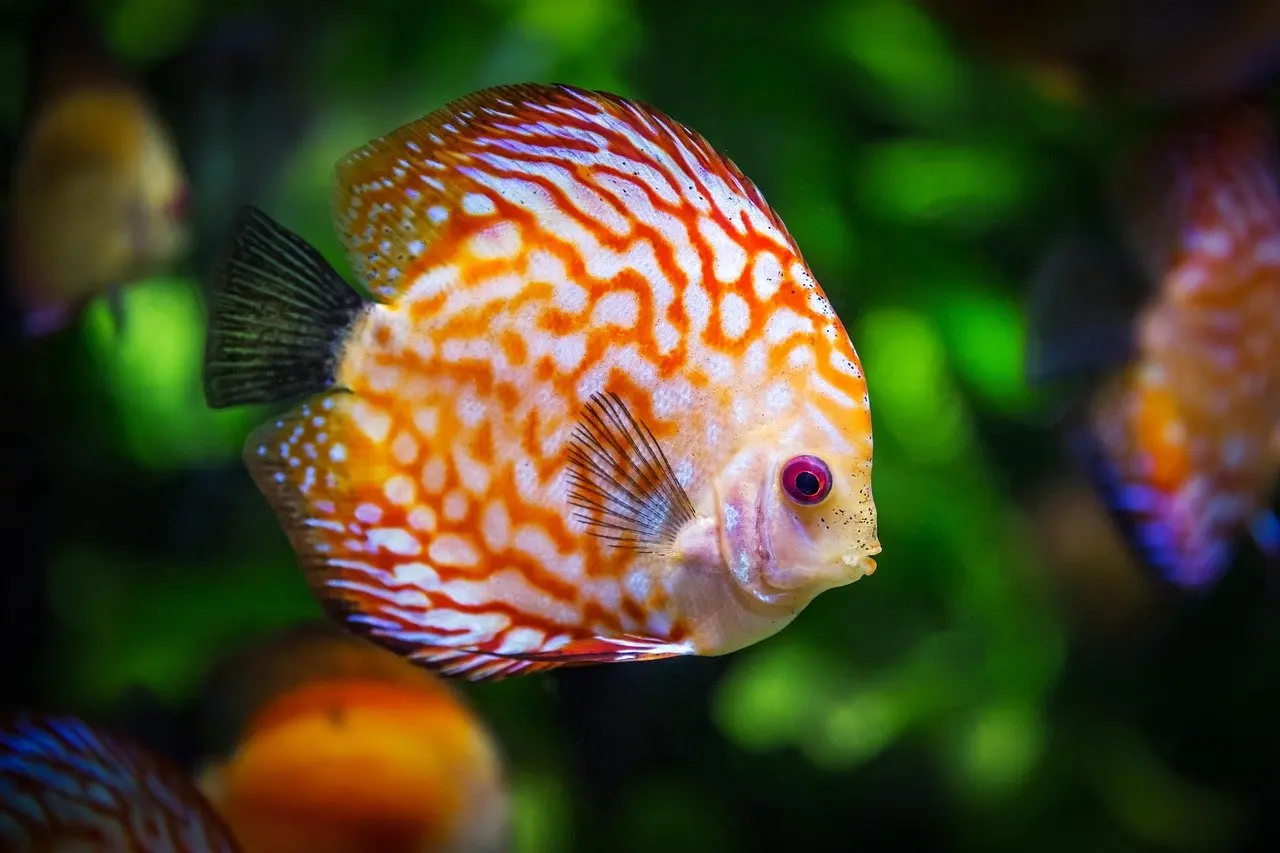
Fish suit buyers who want colour more than detail, and a fish is a simpler outline than a clown with accessories. Sailboats and larger fish are display pieces rather than souvenirs to pack among clothes. The same retailer says its larger sculptures are made with sommerso, gold and silver leaf, and other techniques, so these are the terms to search for when browsing bigger fish and boats. The limitation is that a single listing page cannot show how a piece looks from every angle, so check the photographs and dimensions before buying.
How Murano glass animals are made
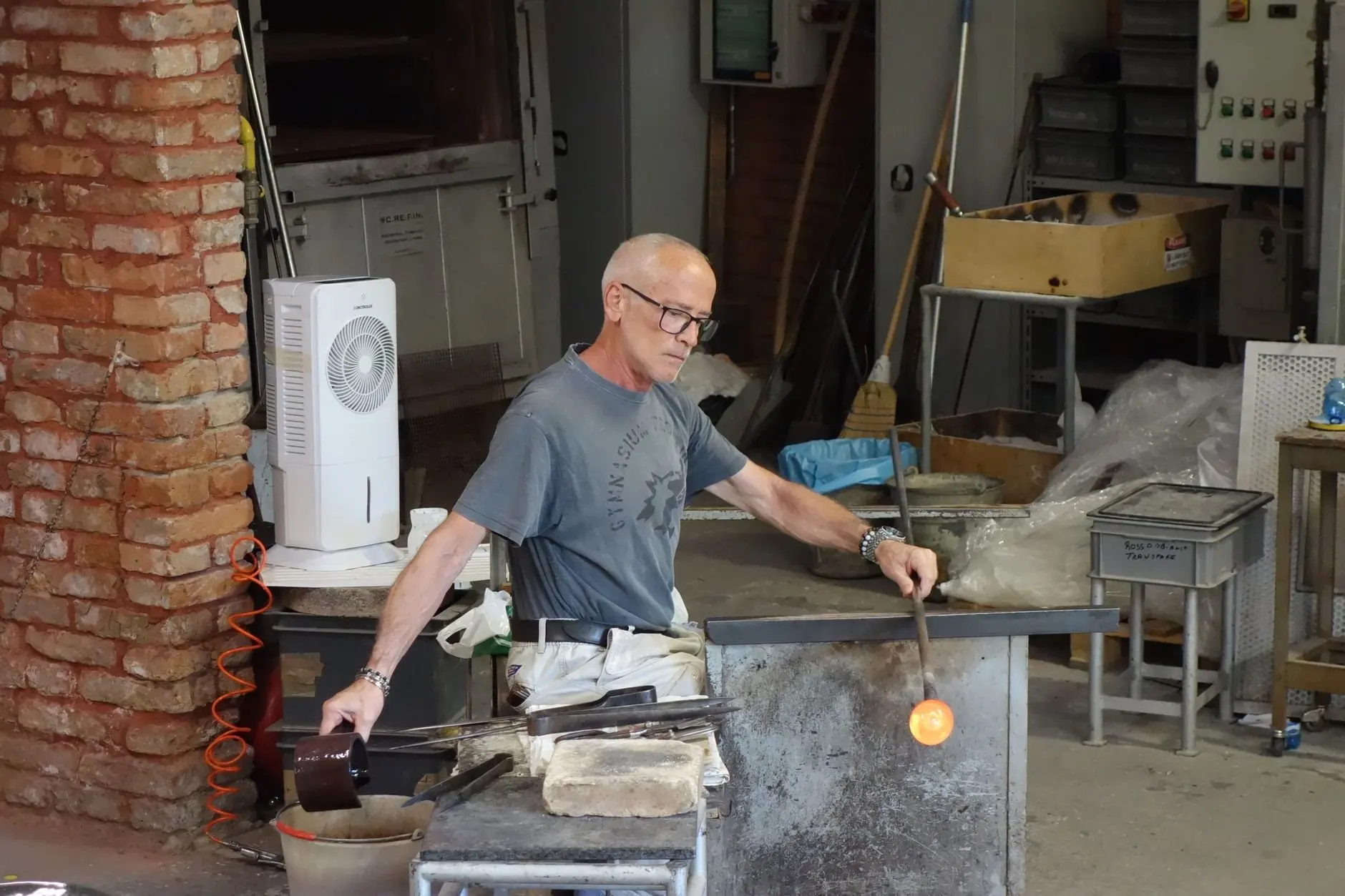
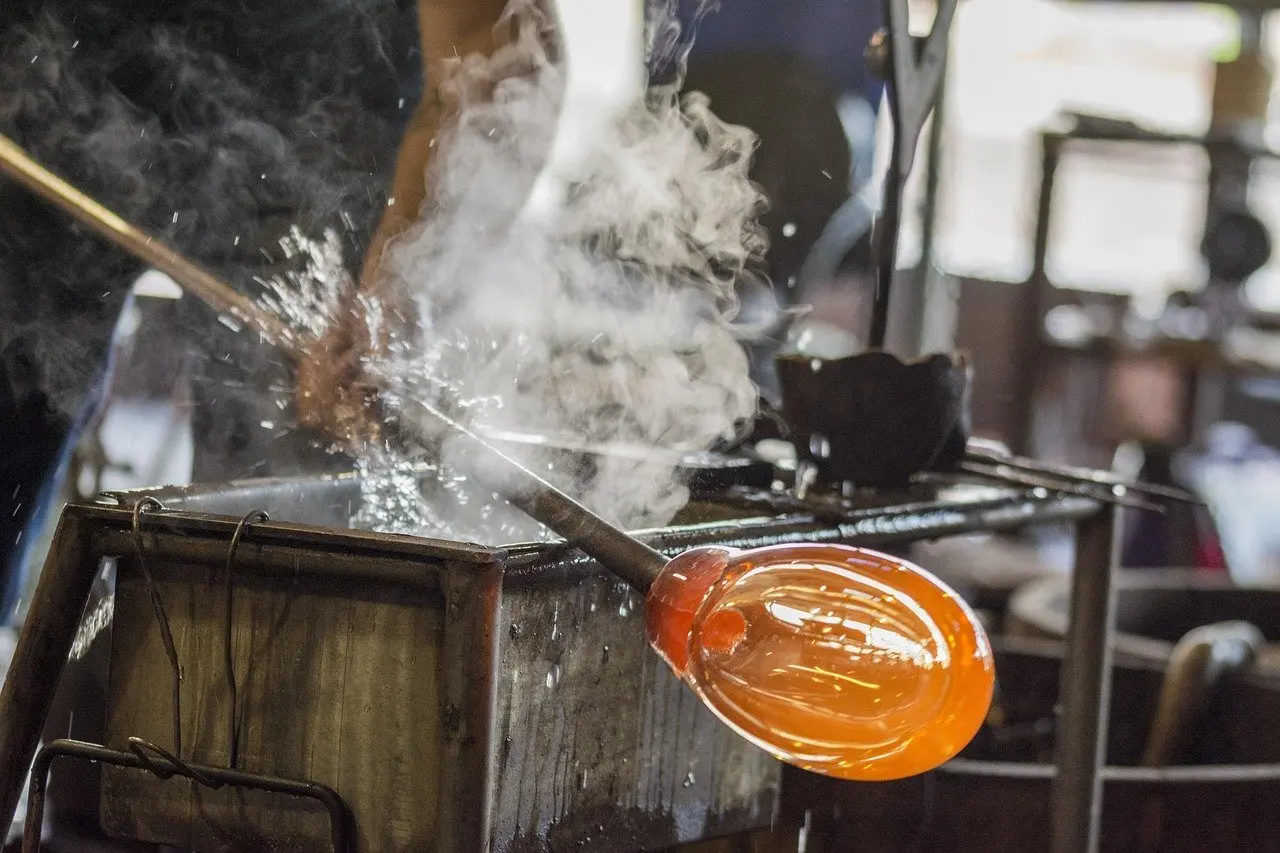
Murano glass animals are made by a glassmaster shaping hot glass by hand, and the listings describe two main routes: lampworking for small pieces and sommerso-based work for larger sculptures. The retailer states its figurines are created on the island of Murano, Venice, according to ancient Murano glass traditions.
- Lampworking. The retailer describes it as making an object by twisting and shaping it under a small flame. That is the sculpting step: the maker builds the animal or figure piece by piece and works the details.
- Sommerso. The same retailer says larger sculptures are made using sommerso, gold and silver leaf, and other techniques. Expect this term on fish, boats and big display pieces rather than on the smallest animals.
- Gold foil. Gold foil is a separate technique filter on that retailer’s page, so it can be searched for directly.
The filter counts on that summer page show how the techniques are spread: sommerso 63 items, lampworking 34 items and gold foil 5 items. Sommerso is therefore the most common technique label among those figurines, while lampworking is a substantial second. For how these skills developed on the island, see the history of Murano glass.
What Murano glass figurines cost
The table shows listed prices from two retailers, so read it as a spread of examples, not a price list for any one piece.
| Piece | Listed price | Planning use |
|---|---|---|
| Fish aquarium | from $18.00 on sale (listed previously at $36.00) | Lowest entry point in this group; sale pricing can change. |
| Pig figurine | from $24.00 | Small gift or shelf filler. |
| Elephant family, set of 3 | from $64.00 | Grouped display from one purchase. |
| Kitty cat, millefiori | from $110.00 | Patterned piece priced above the plain small animals. |
| Black tropical fish | $389.95 list, $350.99 sale | Display-piece budget. |
| Large sailboat, blue and green | $699.95 | Top of this group; a centrepiece, not a souvenir. |
Prices come from the animal collection and the summer figurine page, in US dollars.
Prices in euros appear at the Murano Store, where its sculpture collection includes Saigon at €320.00 and Bushi at €2,998.00. That store notes each price refers to the configuration shown in the product listing, so compare size and colour option before comparing figures.
Buyers who prefer something to wear over something to display can compare the same workshops’ murano glass jewelry.
Handmade or mold-made: what to check
Handmade Murano glass figurines are identified mainly by what the seller states about the maker and the technique, because the listings supplied here describe handmade work in words rather than with a measurable test. The Murano Store describes its pieces as worked by hand by master glassmakers (maestri vetrai) and as handmade Murano glass creations.
Three things are worth checking in a listing:
- Named maker or technique. A glassmaster, lampworking or sommerso mentioned in the description is more informative than a bare “handmade”.
- Origin statement. One retailer states a certificate of authenticity and “100% Made in Italy” on its collection page. These are seller statements, and an origin claim alone does not tell handmade work from a moulded copy.
- Consistency with price. A very low price for a large piece deserves a closer look at the description, since the listings reviewed here show size and complexity at the higher price points.
For an in-person purchase, the practical step is to ask the seller which technique was used and whether a certificate is supplied.
A short decision checklist
- Pick the subject: an animal for gifts, a clown for a character piece, a fish or sailboat for colour and a water theme.
- Set a budget in the currency of the listing and note the exact configuration it describes.
- Look for a named technique before comparing similar-looking pieces.
- Read the handmade and origin wording, and ask for the certificate if one is offered.
- Choose a set when a grouped display is wanted, and a single piece when shelf space is limited.
Frequently asked questions
Are Murano glass figurines only animals?
No. Retail listings also include clowns, sailboats and aquariums alongside birds, elephants, cats, dogs and fish.
Can I buy a set instead of a single figurine?
Yes. One retailer sells an elephant family as a set of 3.
Is the sale price the usual price?
Not necessarily. A fish aquarium and a black tropical fish are both shown with a higher earlier or list price, so check the current listing before comparing.
Does a certificate of authenticity prove a piece is handmade?
A certificate is a seller statement alongside origin wording. Pair it with a named technique or maker in the description for a firmer indication.