Timeline at a glance
| Period | Turning point | What drove it | Planning use |
|---|---|---|---|
| 13th century | Venice becomes the main trading hub between East and West | Its position linking Mediterranean and European trade | Sets the backdrop for the relocation |
| 1291 | The Venetian government orders all glass furnaces to move from Venice to Murano | Official reason: fire prevention, since furnaces were a hazard among the wooden palaces of Venice | Start here for the “why Murano” question |
| After the move | Master glassmakers receive special privileges but may not leave the Republic | Protection of trade secrets | Explains the guild and its secrecy |
| 15th to 17th centuries | Murano glass reaches its golden age, with cristallo and lattimo | Cristallo, a nearly transparent glass rivalling rock crystal in purity | Read this period for the glass types and their reputation |
| From the late 1400s | Murano dominates European glass | An established position that lasted more than 600 years | Shows how long the 1291 decision shaped the trade |
| 20th century | Artists experiment with abstract forms | A shift toward modern design | Use for the link between history and today’s pieces |
Dates and causes in this table follow Your Murano’s history overview and the CBS News report on Murano glass.
The history of Murano glass begins with a 1291 Venetian order moving glass furnaces to the island, officially to cut fire risk, and runs through guild secrecy, a golden age of cristallo and lattimo, decline and modern design.
For the wider picture of the island’s craft and its objects, start with murano glass art. This chronology concentrates on why each turning point happened.
Venice and the lagoon before 1291
By the 13th century, Venice had become the main trading hub between East and West, according to Your Murano. Glass was made inside a city of dense wooden buildings, and that setting is the key to the first turning point.
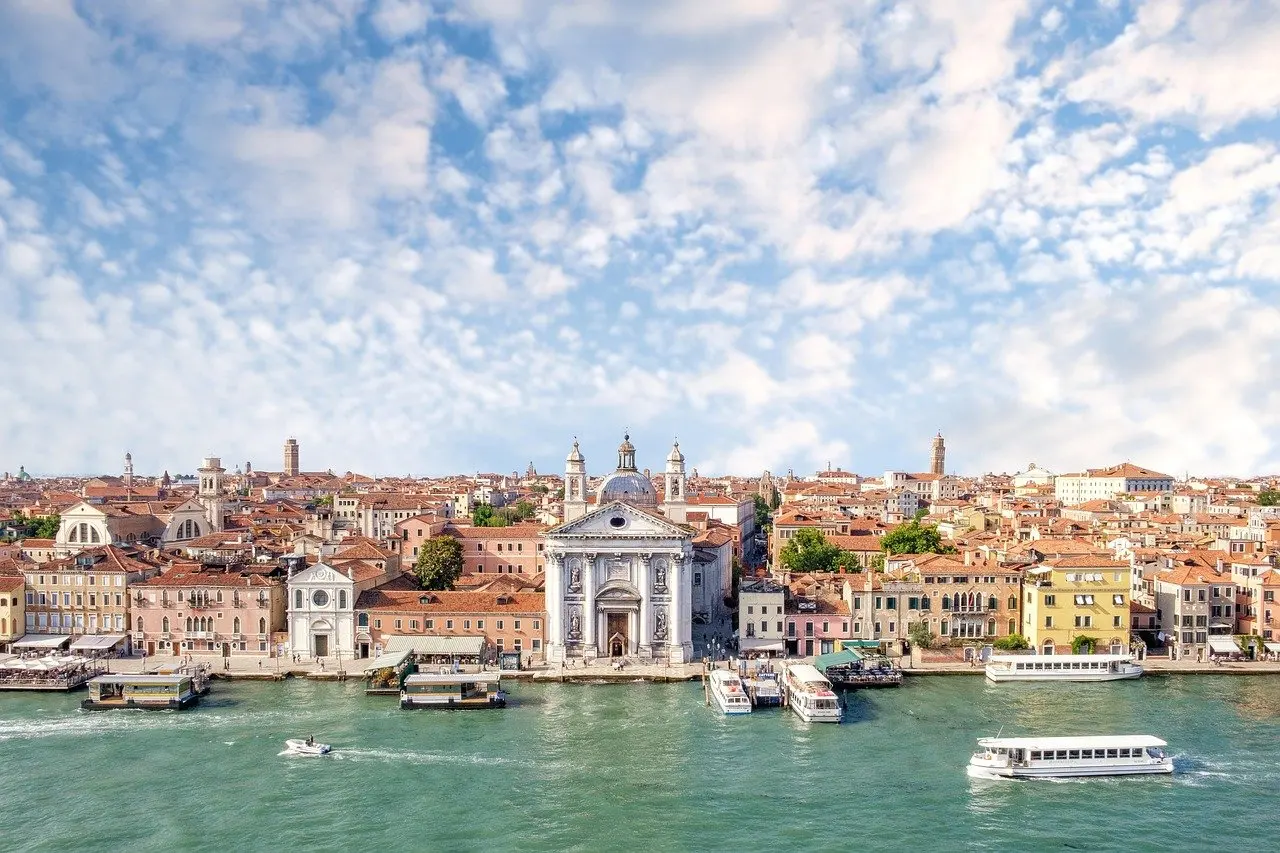
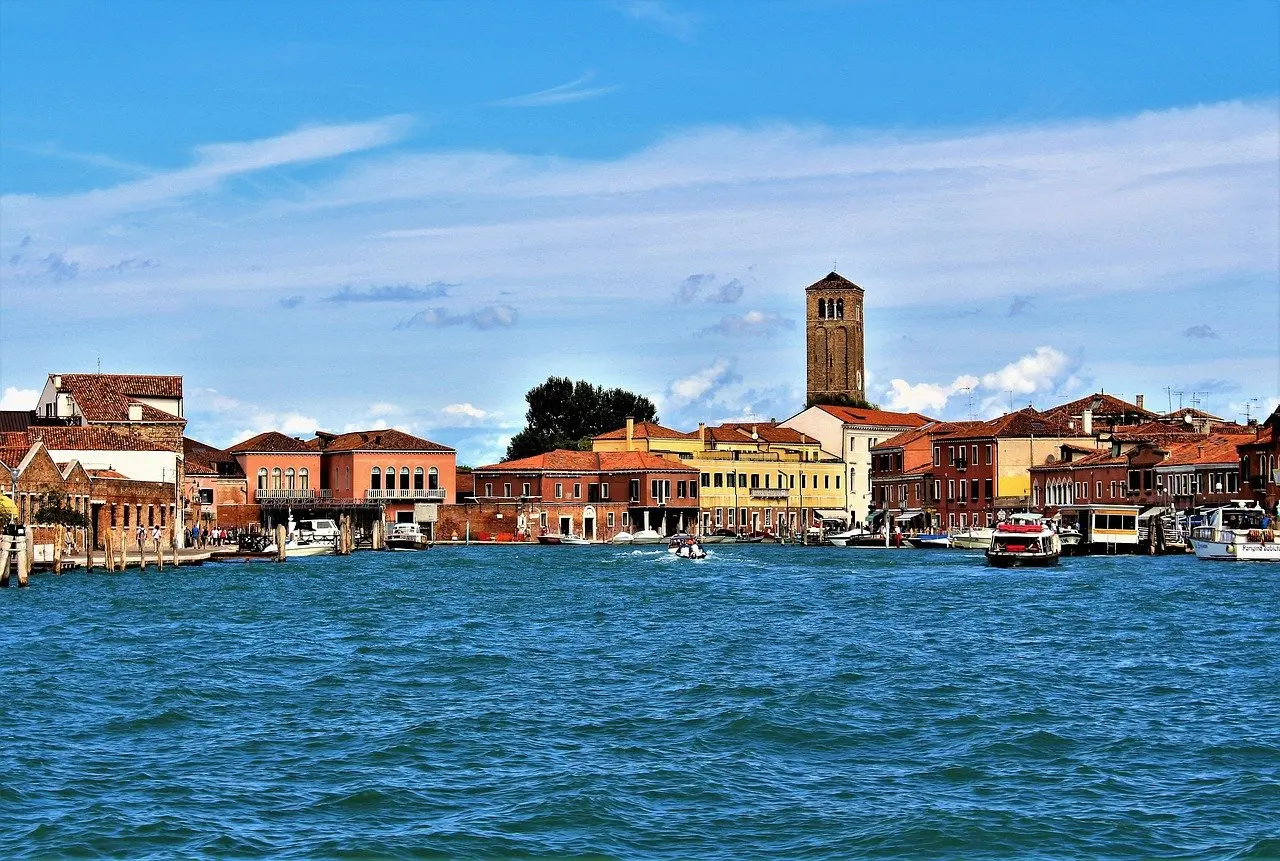
Murano lies about 1.5 km north of Venice, as the Murano Jewels island guide notes. The relocation therefore kept glassmaking inside the lagoon beside the city rather than sending it away from the Republic.
1291: the furnaces move to Murano
What the decree required
In 1291 the Venetian government ordered all glass furnaces to move from Venice to the nearby island of Murano, as Your Murano describes it. The requirement was about location: the furnaces left the city, and the glassmakers went with them.
Accounts differ slightly in tone. The Murano Jewels guide says glassmakers were requested to move their foundries to Murano in 1291. Both versions agree on the year and the destination, which is what matters for anyone dating the island’s glass industry.
Why fire prevention
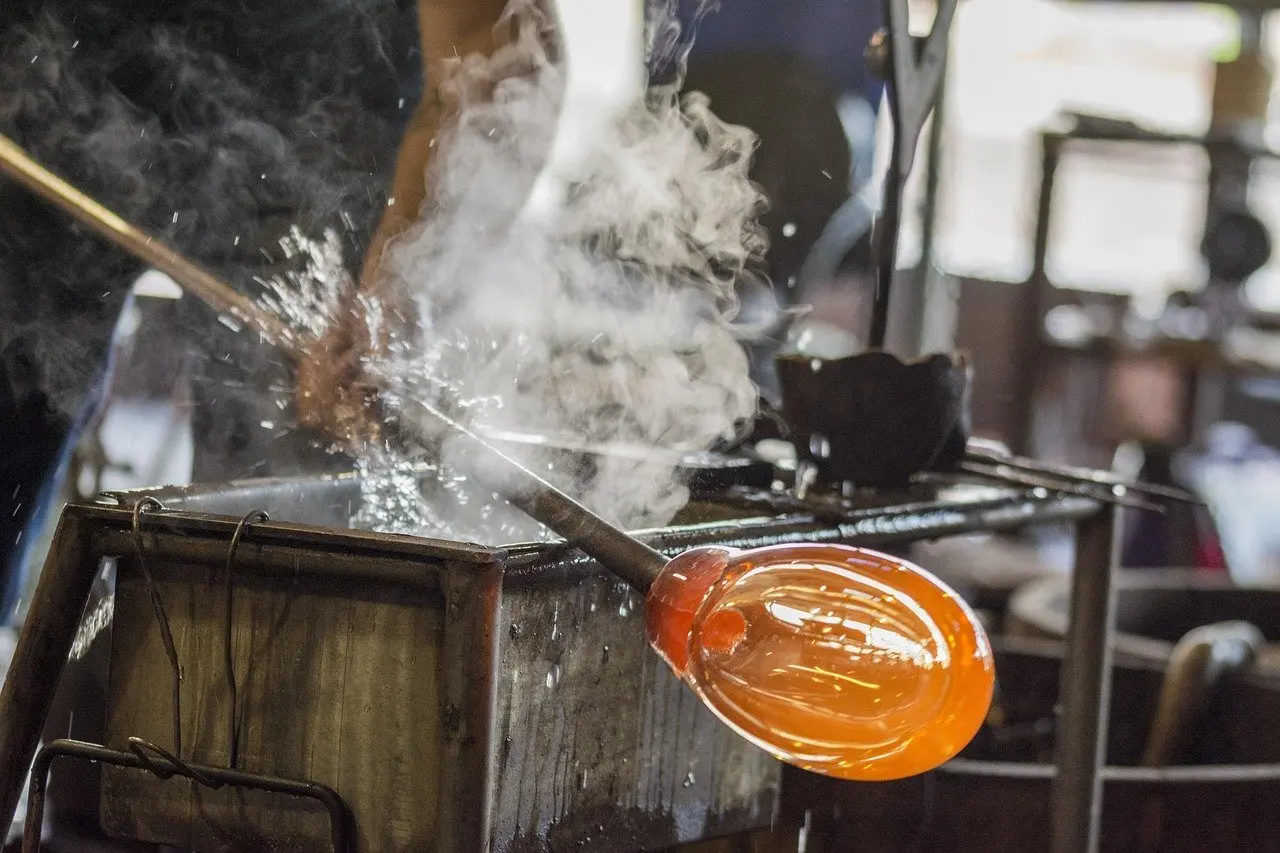
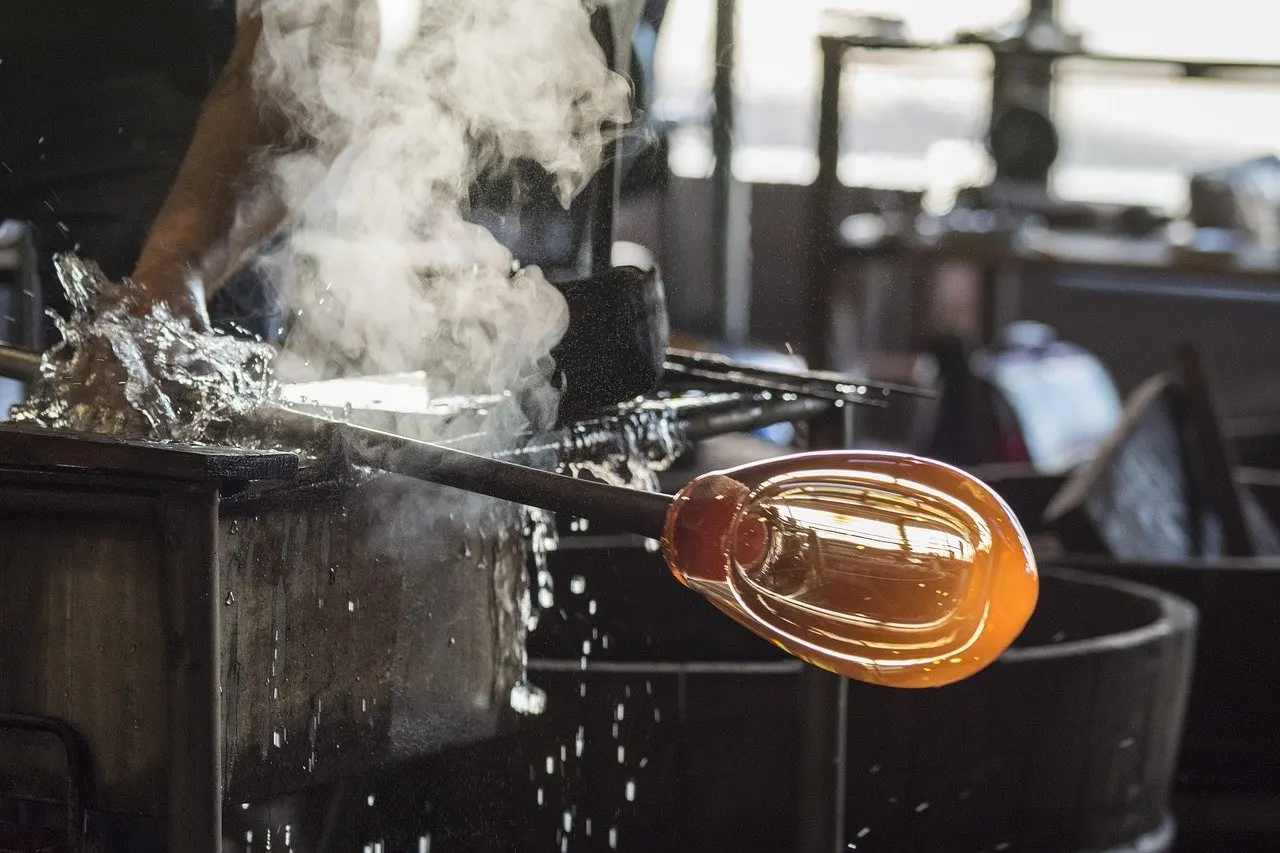
The official reason was fire prevention. CBS News adds the practical picture: the ovens were a fire hazard among the wooden palaces of Venice. A furnace that is safe on an open island is a danger in a crowded city, so the order answered a risk that was already visible.
Guarding the secrets after the move
Concentrating the furnaces on one island also concentrated the knowledge. Venice protected its glassmaking secrets through a mix of rewards and restrictions on the Venetian glassmakers’ guild.
- Privileges. Master glassmakers were granted special privileges, including social status and legal protections, according to Your Murano.
- Status symbols. By the fourteenth century glassmakers were permitted to wear swords, the Murano Jewels guide records.
- A ban on leaving. Glassmakers were forbidden from leaving the Republic to protect trade secrets.
- Harsh penalties. CBS News reports the historic story that a glassmaker who tried to leave the island would have his hands cut off. That punishment no longer exists.
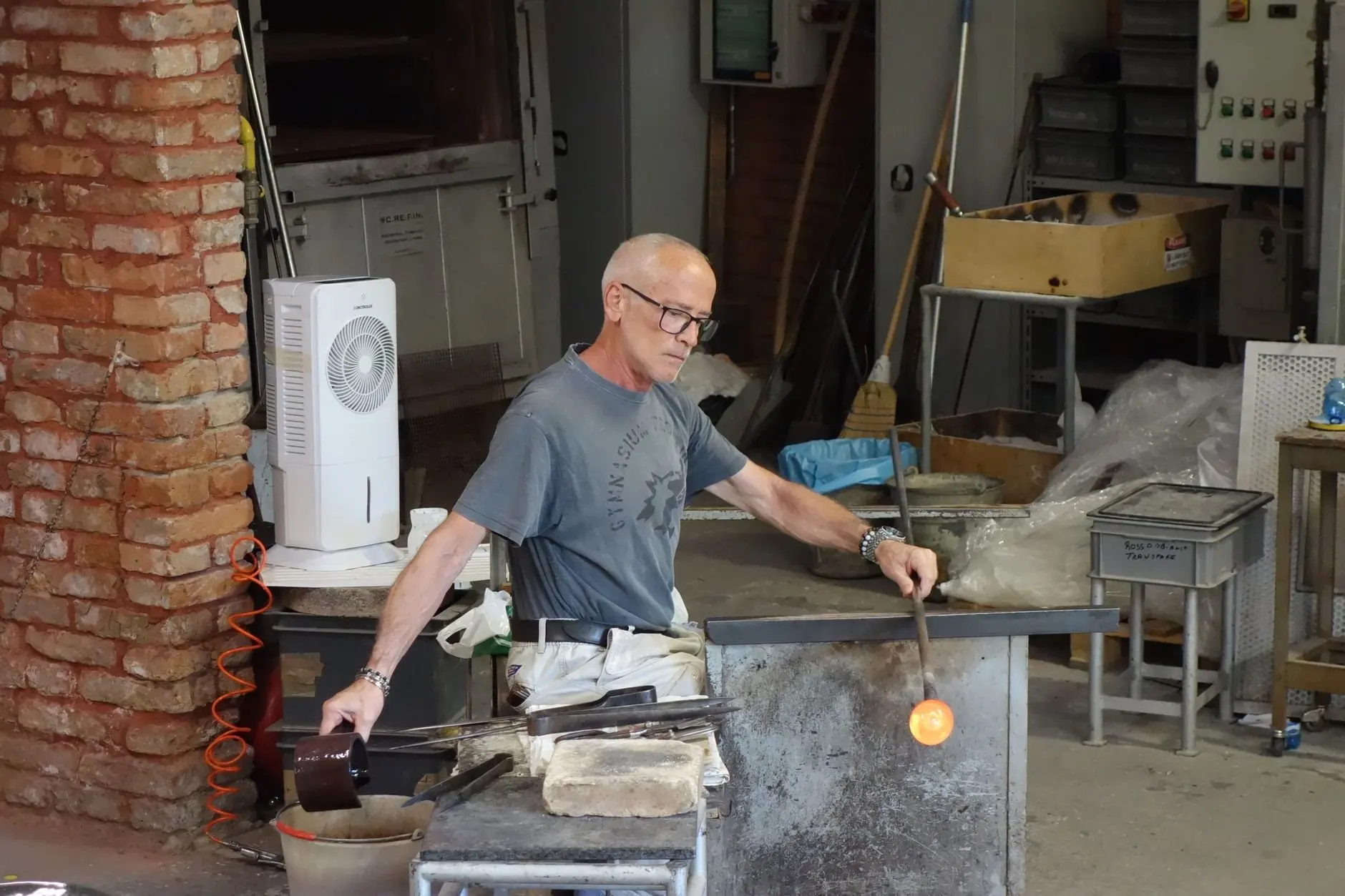
- Long training. The same report says it takes 15 years to become a master glass-blower, which kept real expertise scarce.
The pattern is a trade-off. Makers gained rank and legal protection, and in return the Republic kept their skills inside its borders.
The golden age: cristallo and lattimo
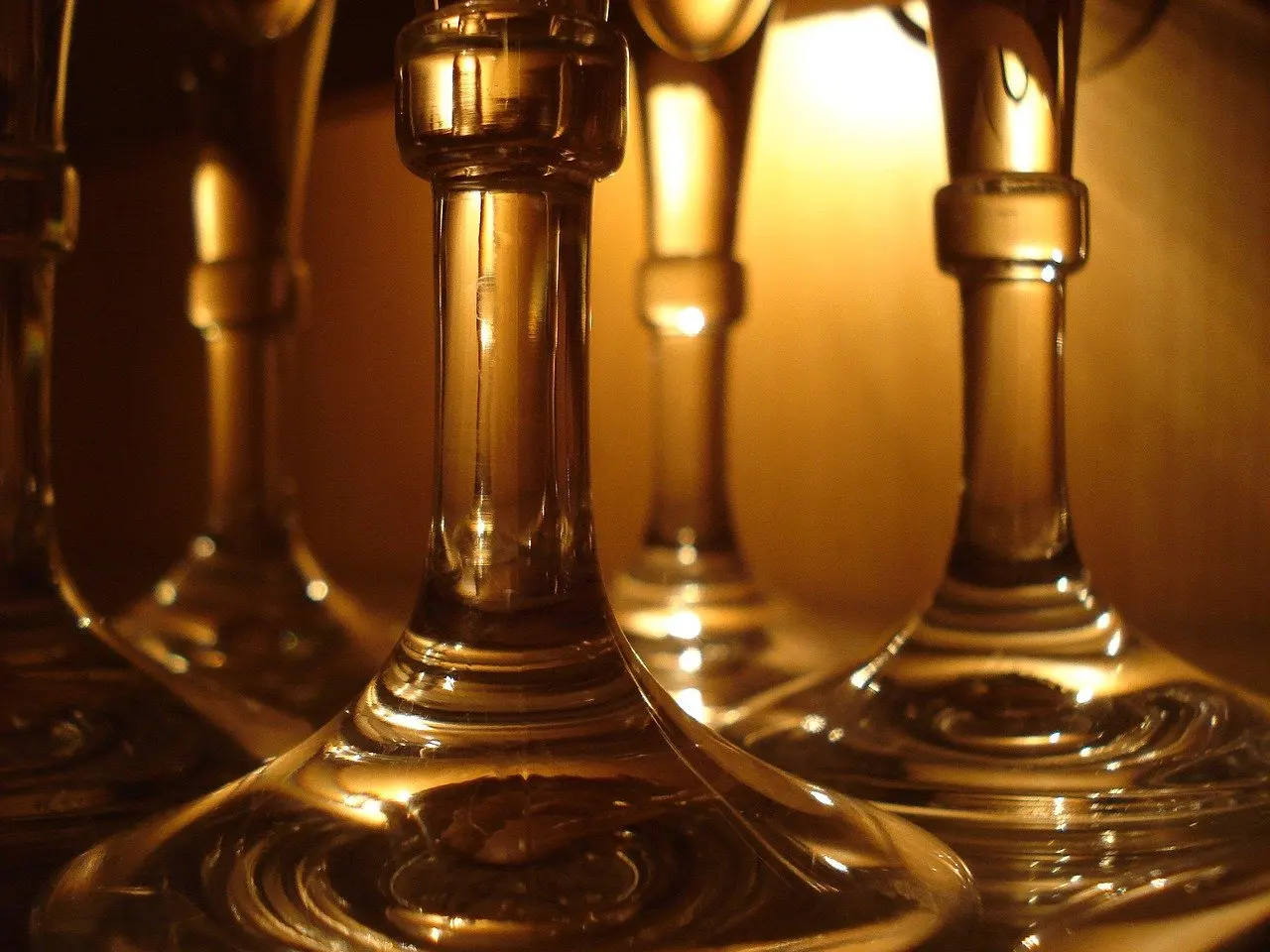
Between the 15th and 17th centuries Murano glass reached its golden age, according to Your Murano. Cristallo belongs to this period. It is a nearly transparent glass that rivalled rock crystal in purity, which made clarity the island’s calling card.
Lattimo sits at the opposite end of the look. It is a milk-white opaque glass resembling porcelain. Together the two show the range that built the island’s reputation, from near-invisible clarity to dense white.
The reputation lasted. CBS News describes a dominance in European glass, established from the late 1400s, that lasted more than 600 years. Secrecy, privilege and a concentrated workforce are the causes the evidence points to, although no single source ties the dominance to one factor.
After the Republic: decline, survival and modern design
Decline set in during the eighteenth century, yet the Murano Jewels guide notes that glassmaking is still the island’s main industry. The trade did not vanish when the Republic’s era ended. It narrowed and reorganised.
Continuity shows in the dates. Compagnia Venezia Murano was established in 1866. The Murano trademark is governed by Regional Law no. 70, 1994, a rule that matters when buying, since it ties the name to the island’s production.
The 20th century marked a turning point as artists began experimenting with abstract forms, according to Your Murano. Collectors who like narrative pieces can see how that tradition continues in murano glass figurines. Readers curious about the furnace work behind all of this can follow how is murano glass made.
Seeing the history on the island
The Glass Museum (Museo del Vetro) is housed in the huge Palazzo Giustinian, the Murano Jewels guide says. Its displays run from Egyptian-era glass through to the present day, so the museum suits readers who want the 1291 story set within a much longer record of glassmaking.
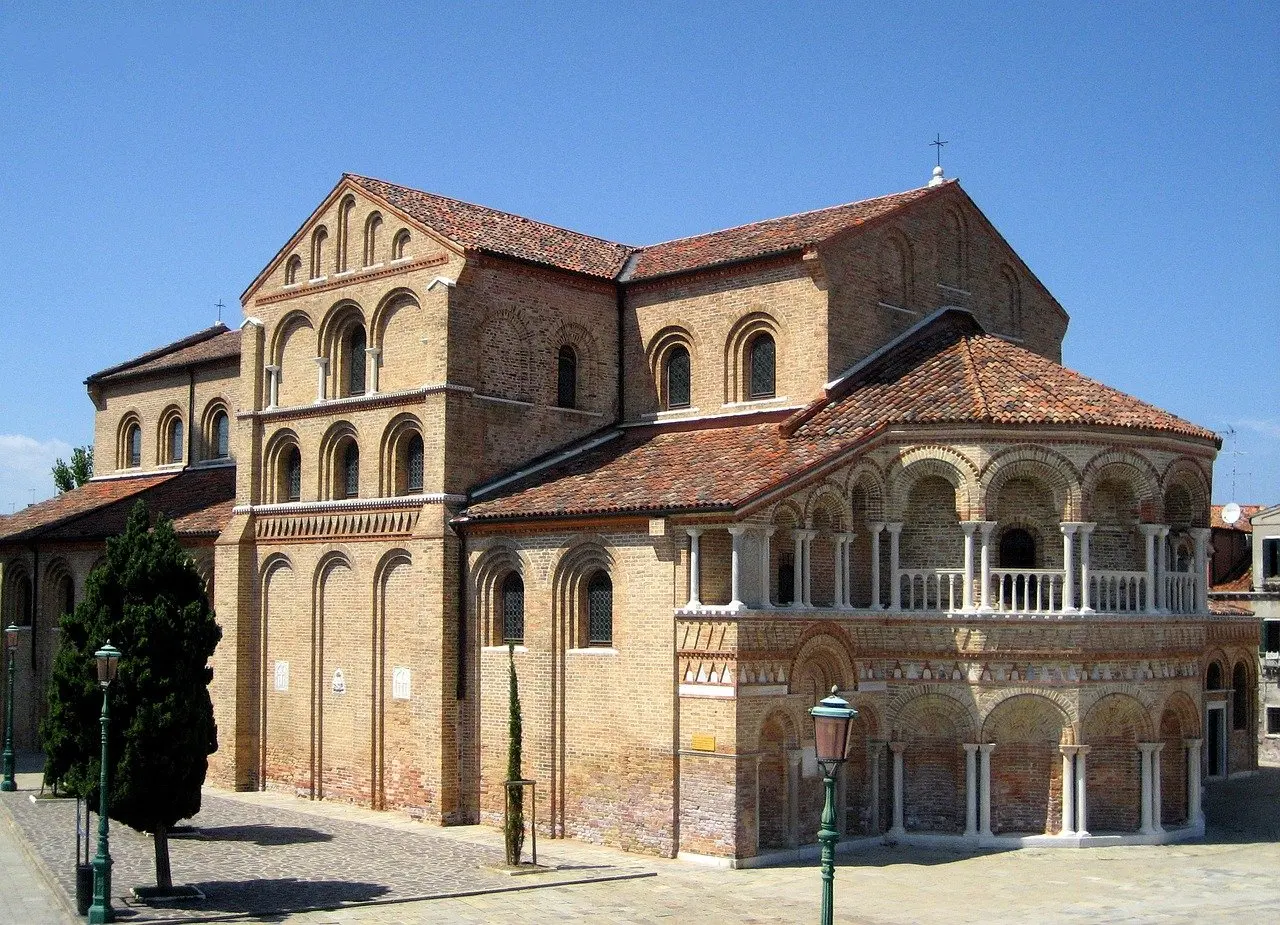
The island’s medieval side survives in stone as well. The Basilica of Santa Maria e San Donato is known for its twelfth-century Byzantine mosaic, a useful stop for the period before the furnaces arrived in force.
Frequently asked questions
Did the 1291 order cover every furnace?
Your Murano describes the Venetian government ordering all glass furnaces to move from Venice to Murano, so the order is presented as covering the whole industry.
Could Murano glassmakers work abroad?
No. They were forbidden from leaving the Republic to protect trade secrets, and a historic story recounts severe punishment for those who tried. That penalty no longer exists.
What is lattimo?
Lattimo is a milk-white opaque glass that resembles porcelain. It is one of the glass types associated with Murano’s golden age.
Is glassmaking still important on Murano?
Yes. Despite the decline that began in the eighteenth century, glassmaking remains the island’s main industry, and the Murano trademark is governed by Regional Law no. 70, 1994.