Murano glass chandeliers are assembled by hand from individually made glass parts, so judge a piece by its construction, documentation, size and shipping plan before its looks. Settle those four points first.
A buyer abroad sees a glowing multi-arm fixture online and cannot tell whether it is genuine, whether it fits the stairwell or whether it will arrive in one piece. The sections below take those problems in order. Chandeliers are one part of the wider craft covered in murano glass art.
What makes a chandelier Murano glass
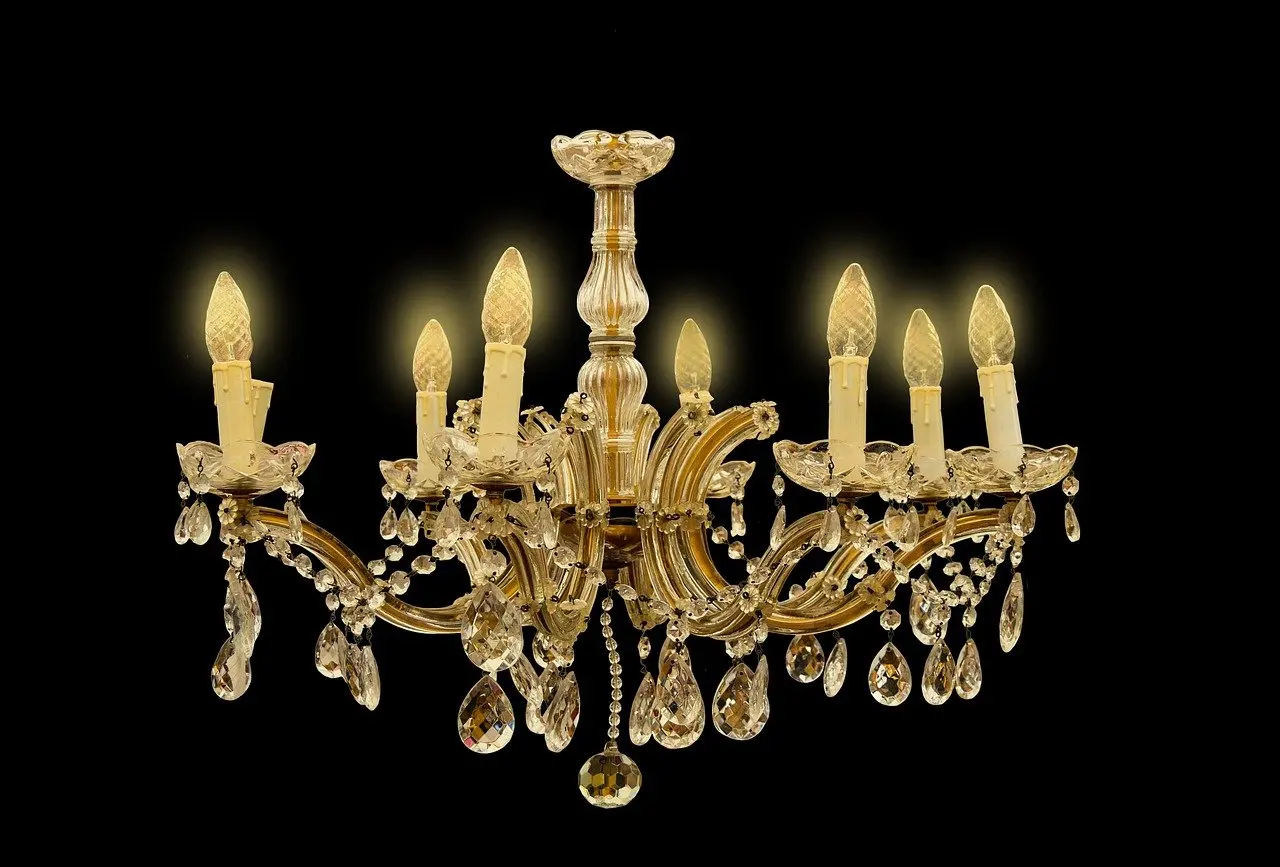
A Murano chandelier is a fixture built from glass made on the island of Murano, where glassmaking dates back to the 13th century. Three traits separate it from a mass-produced lookalike.
Hand-made parts
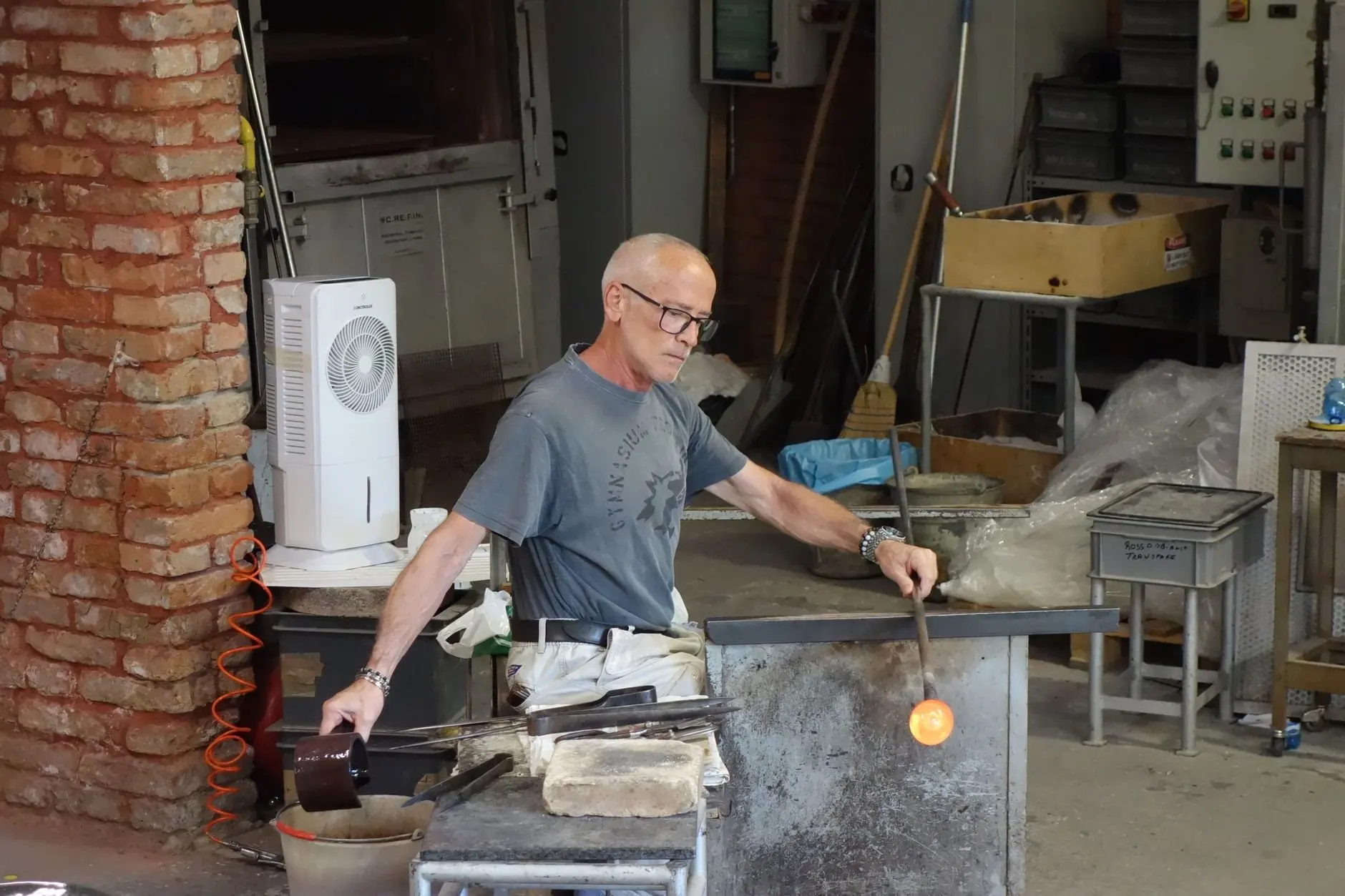
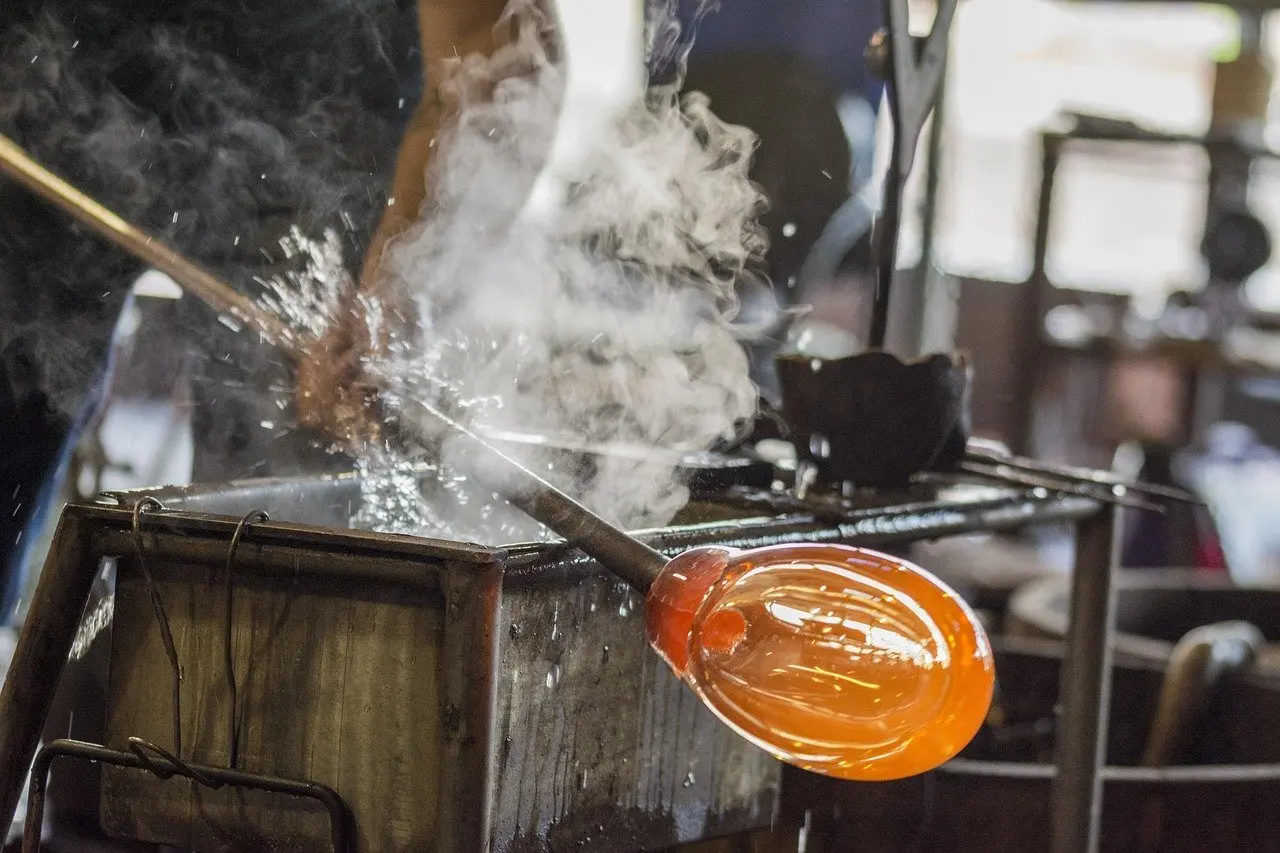
Styylish describes these chandeliers as assembled from dozens, sometimes hundreds, of individual components, all made by hand. Every arm, leaf and flower is hand-blown or hand-molded, then assembled. This is the first thing to verify on any listing. A piece sold as Murano should be able to explain how its arms, leaves and flowers were made.
Colour from minerals
The same source explains that colour in Murano glass comes from adding minerals to the molten mixture. Colour is therefore part of the glass itself, not a coating. This matters when you compare a coloured-glass chandelier with a painted or plated imitation.
Documentation from the maker
Some producers back the claim in writing. One Murano producer states that each of its chandeliers is handmade and provided with a certificate of authenticity. A certificate does not replace a close look at the construction, but a seller who cannot supply any paperwork has given you a reason to hesitate.
How the Venetian chandelier developed
Seventeenth century: glass replaces wood and iron
Glass of Venice notes that in the 17th century Venice was a mighty and rich maritime republic, and its glassmakers answered the demands of wealthy clients. According to the same history, glass chandeliers replaced the unattractive and unwieldy wooden and wrought iron chandeliers of earlier times.
Eighteenth century: the chandelier as we know it
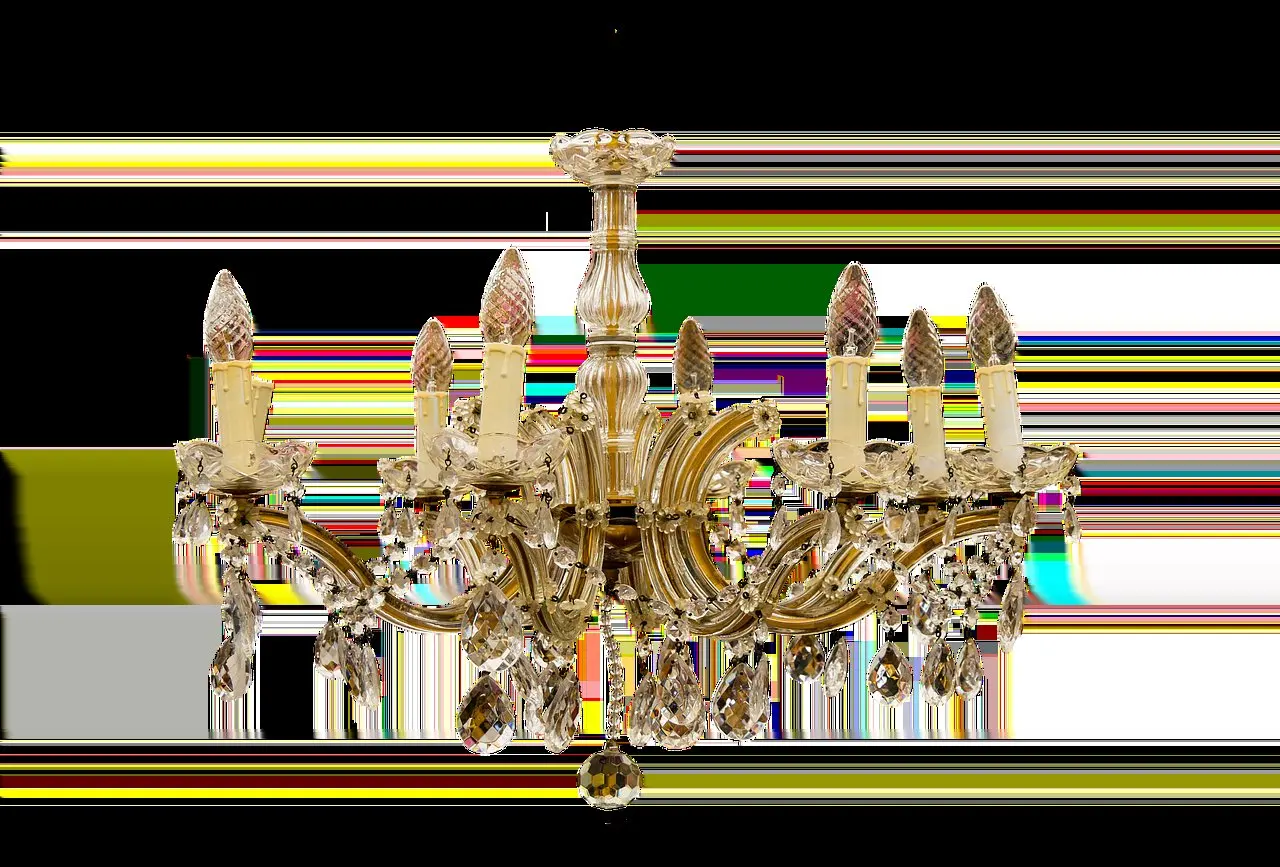
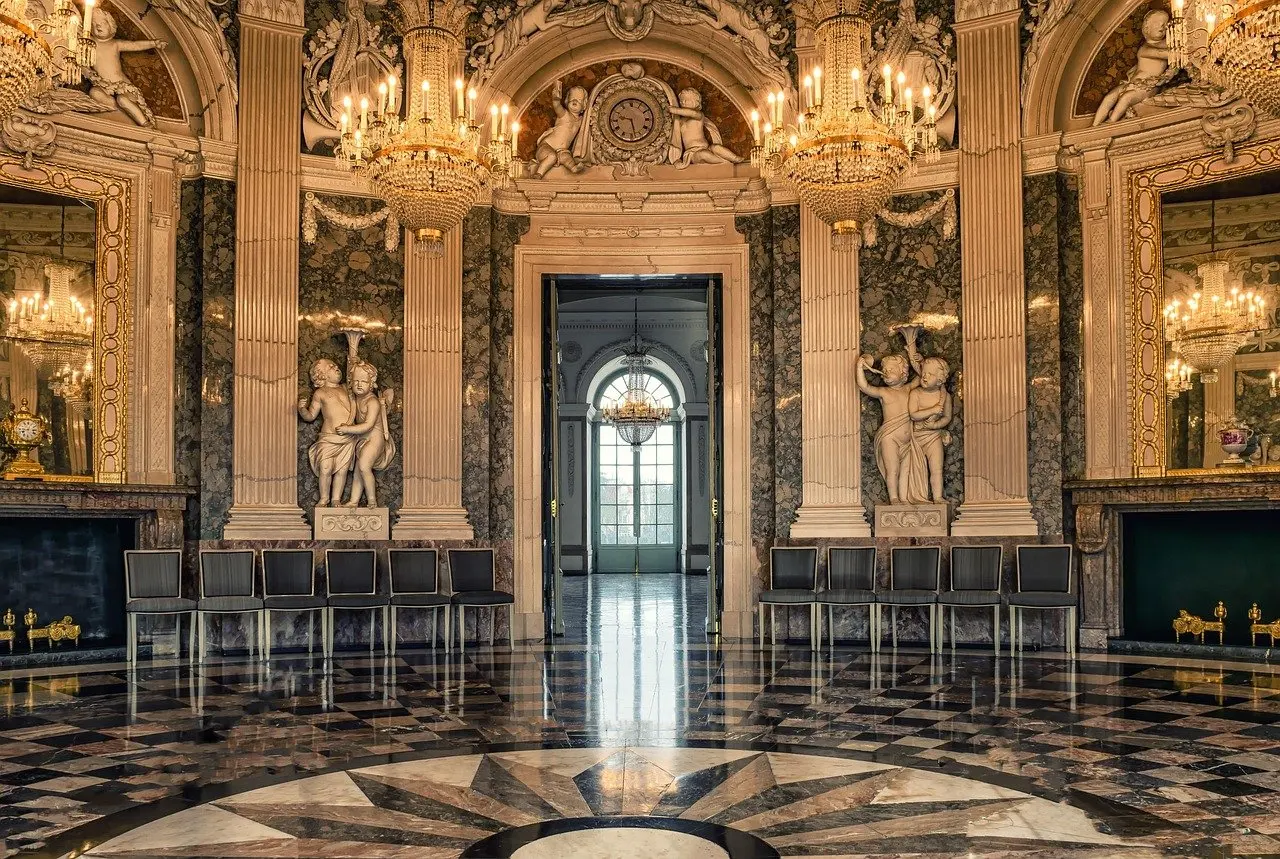
The best-documented commission is the Rezzonico piece. Around 1730 the Rezzonico family ordered a chandelier from Murano masters. It was made in the Briati factory as a two-tier masterpiece in rare polychrome glass with twenty candle-holders. That commission is why the Rezzonico name now labels a whole style.

Today: leaner and bolder designs
Glass of Venice adds that more modern and trendy designs have recently become popular too, with leaner forms, bolder colours and minimalist styles. Venetian glassmakers of the Republic era built the traditional vocabulary, and current makers now work in both registers.

Choosing a style: Rezzonico, tiered, ciocca and modern
Pick the style by the room first. A formal, high-ceilinged space suits the Rezzonico or tiered forms. A plain contemporary interior is usually better served by a lean modern design, which would look overloaded in a rich period style.
| Style | Defining features | Planning use |
|---|---|---|
| Rezzonico | Opulent stems and cups, elaborate floral elements, gold decoration, scroll-like arms, multi-tier structure | Formal rooms where a period-style centrepiece is the aim |
| Tiered | Concentric levels of glass arms or drops | High-ceilinged spaces, where the levels have room to hang |
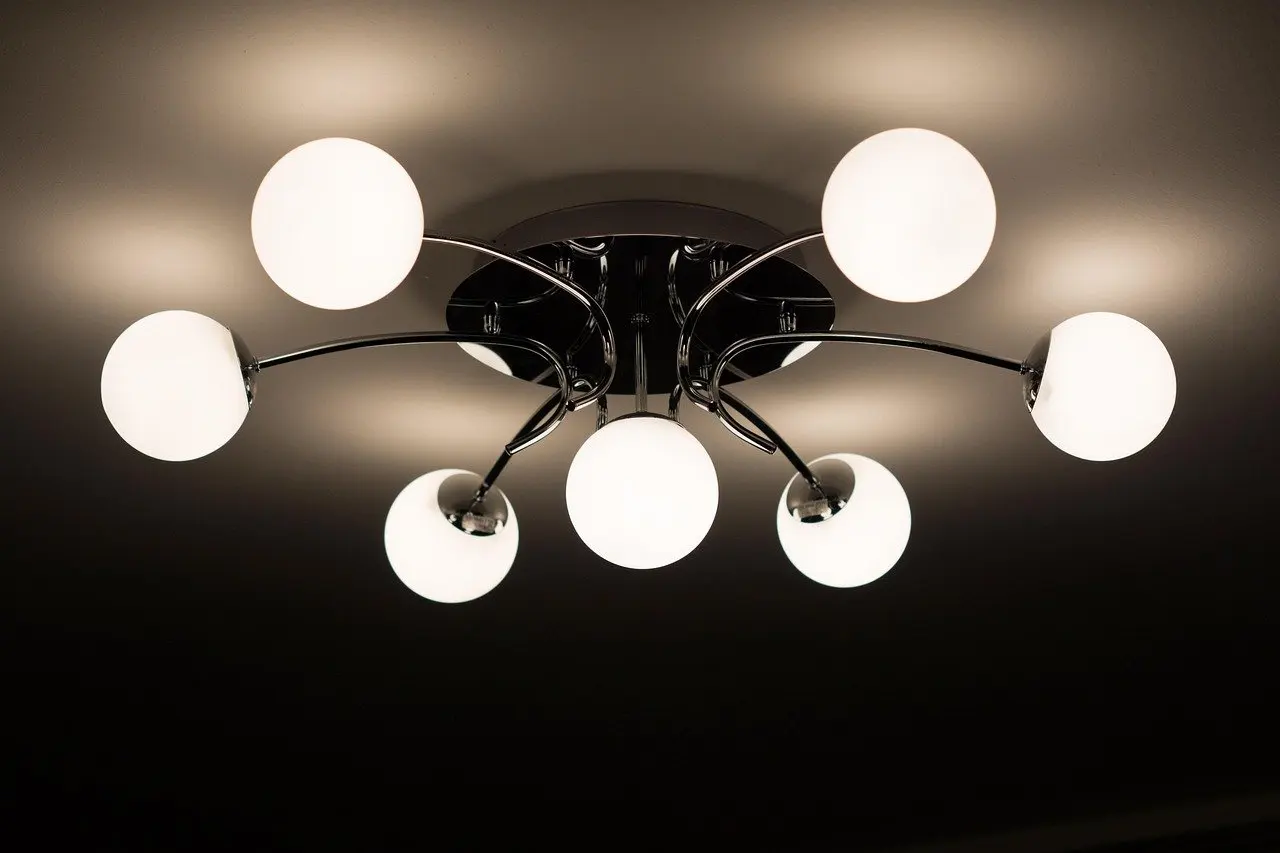
| Modern | Leaner forms, bolder colours, minimalist styles | Contemporary interiors where a classic form would dominate |
Descriptions follow Glass of Venice and Styylish.
The Rezzonico look often includes gilding. Glass of Venice mentions 24K gold and genuine silver leaf in classic chandeliers. Ciocca is the other style name buyers meet in listings. When a piece is described as ciocca, ask the maker how its arms and decoration are built, since a style label alone does not tell you how hand-made it is.
For scale, Styylish cites a large-scale fixture with 18 rising cups and pastoral motifs in transparent glass. Contemporary buyers who want less ornament can look at modern forms instead.
Will it fit the room? Size and smaller alternatives
Chandelier dimensions
Styylish describes a large chandelier as one over 6 feet (180 cm) high, and gives 55.1 inches (140 cm) as the height of an impressive large modern example. Treat these as descriptions of large pieces, not targets. Measure your ceiling height and the available drop before choosing, and ask the maker for the finished height and weight of the exact piece. Hand-assembled glass fixtures are heavy and fragile, so have the ceiling fixing point checked before the chandelier is hung.
Tiered designs need the most vertical room because their glass arms or drops hang in concentric levels. In a lower room, a single-tier or modern design is the safer choice.
Pendants for kitchens and stairwells
Not every space needs a chandelier. The producer above recommends its pendant lights for kitchen islands or stairwells. Pendants make sense where a central chandelier would hang too low or crowd the room.
Buying checklist for foreign buyers
Work through these steps in order and stop at the first one a seller cannot answer.
- Ask how it was made. Confirm that arms, leaves and flowers are hand-blown or hand-molded and assembled by hand, and ask for the certificate of authenticity if the maker issues one.
- Read the price against the range. One producer’s listing runs from €890 for a Ricciolo crystal amber glass chandelier to €29,900 for the Coccolone modern chandelier. That shows how wide pricing can be at a single maker, so compare a quote with pieces of similar size and complexity and not with a single figure.
- Match the light count to the space. The same producer’s filters list 28 chandeliers with 1 to 3 lights, 47 with 4 to 6, 39 with 7 to 9 and 43 with 10 and up. Fewer lights suit smaller rooms, and larger counts suit grander ones.
- Check the wiring for your country. Ask which voltage and socket fittings the piece ships with and whether it is suitable for your home’s supply. Have a qualified electrician do the installation. Do not rely on a plug adapter to solve the mismatch.
- Ask for the production time in writing. Each piece is handmade, so do not assume a made-to-order design is in stock.
- Agree the shipping terms. Ask how the chandelier is packed, whether it travels assembled or in parts, who insures it and who bears breakage claims. Ask which import taxes your country applies before you commit.
If something looks wrong
- No documentation offered. Pause the purchase and ask for the maker’s name, the certificate and photos of the construction details. If the answers stay vague, look elsewhere.
- Measurements do not fit. Move to a smaller design or a pendant before ordering, not after the piece has been made.
- Damage on arrival. Photograph the crate and the glass before unpacking further and contact the seller and the insurer at once, using the terms agreed beforehand.
To compare shops and showrooms in Venice itself, see where to buy murano glass in venice. If a chandelier is beyond the budget, smaller works from the same tradition, such as murano glass jewelry, are a lower-cost way to own Murano glass.
Frequently asked questions
| Question | Answer |
|---|---|
| Where can the original Rezzonico chandelier be seen? | It still hangs in its original room in Ca’ Rezzonico in Venice, according to Glass of Venice. |
| What is cristallo? | Cristallo is a particularly clear and colourless glass, invented in the 15th century. It is the reference point for clear drops and pendants. |
| Is the gold on classic chandeliers real? | Glass of Venice describes classic chandeliers using 24K gold and genuine silver leaf. Ask the seller to confirm the gilding on a specific piece. |
| Do modern Murano chandeliers cost less than traditional ones? | Not necessarily. On one producer’s listing, the highest-priced chandelier, at €29,900, is a modern design. |