| Detail | What to know | Planning use |
|---|---|---|
| Address | Fondamenta Giustinian 8, 30121 Murano | Save it in a map app before leaving Venice, because Murano is a separate island. |
| Origins | Founded in 1861, when an archive was inaugurated | Treat the visit as a history of Murano glass, not a shop-style display. |
| Time span | From the Roman Age to contemporary pieces, with major pieces made between the 15th and 20th centuries | Expect a long walk through time. Allow enough hours to read the labels. |
| Layout | Chronological, from origins to recent work | Follow the rooms in order so the changes in technique and taste make sense. |
| Temporary shows | Temporary collections alongside the permanent displays | Check what is on before choosing your day. |
| Online preview | 54 of the most famous pieces on Google Art Project | Browse them first to decide which objects to look for. |
Descriptions and figures come from Murano Net’s museum guide and the Venice tourism office listing.
The murano glass museum, the Museo del Vetro, is housed in Palazzo Giustinian and presents Murano glass chronologically, from Roman relics to modern designer pieces. Confirm tickets and opening days before you travel.
The museum is one chapter of a longer craft story. For the wider picture, start with this overview of murano glass art, then use the stages below to plan the visit.
Before you go: tickets, hours and access
Ticket prices and opening days are set by the museum and can change, so check them on the museum’s official page before you travel. An online ticket listing also exists for the museum, which is useful if you prefer to arrange entry ahead of arriving.
- Confirm the practical details. Look up the current ticket price and opening days on the official page, and note the address, Fondamenta Giustinian 8 in Murano.
- Plan the crossing. Murano lies across the lagoon from the main islands, and the guide on how to get to murano from venice covers the routes.
- Choose a format. According to the Venice tourism office, the museum organises guided tours for adults, plus school and family programmes. A guided tour suits visitors who want the chronology explained. Independent visitors can follow it unaided.
- Note the facilities. The museum has a dedicated room for breastfeeding, changing and relaxing, as described in the ticket listing. This helps families with young children plan a longer stay.
On arrival: Palazzo Giustinian and why the museum exists
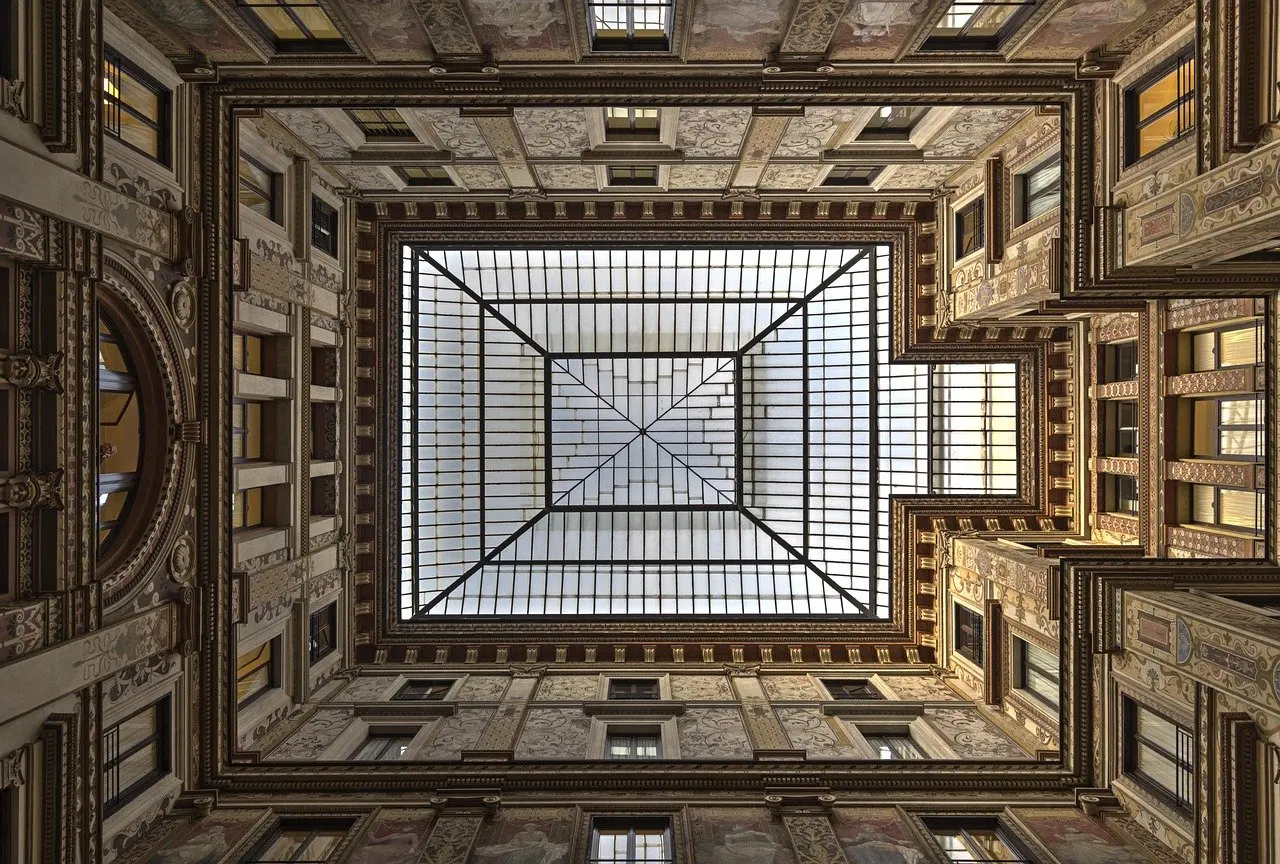
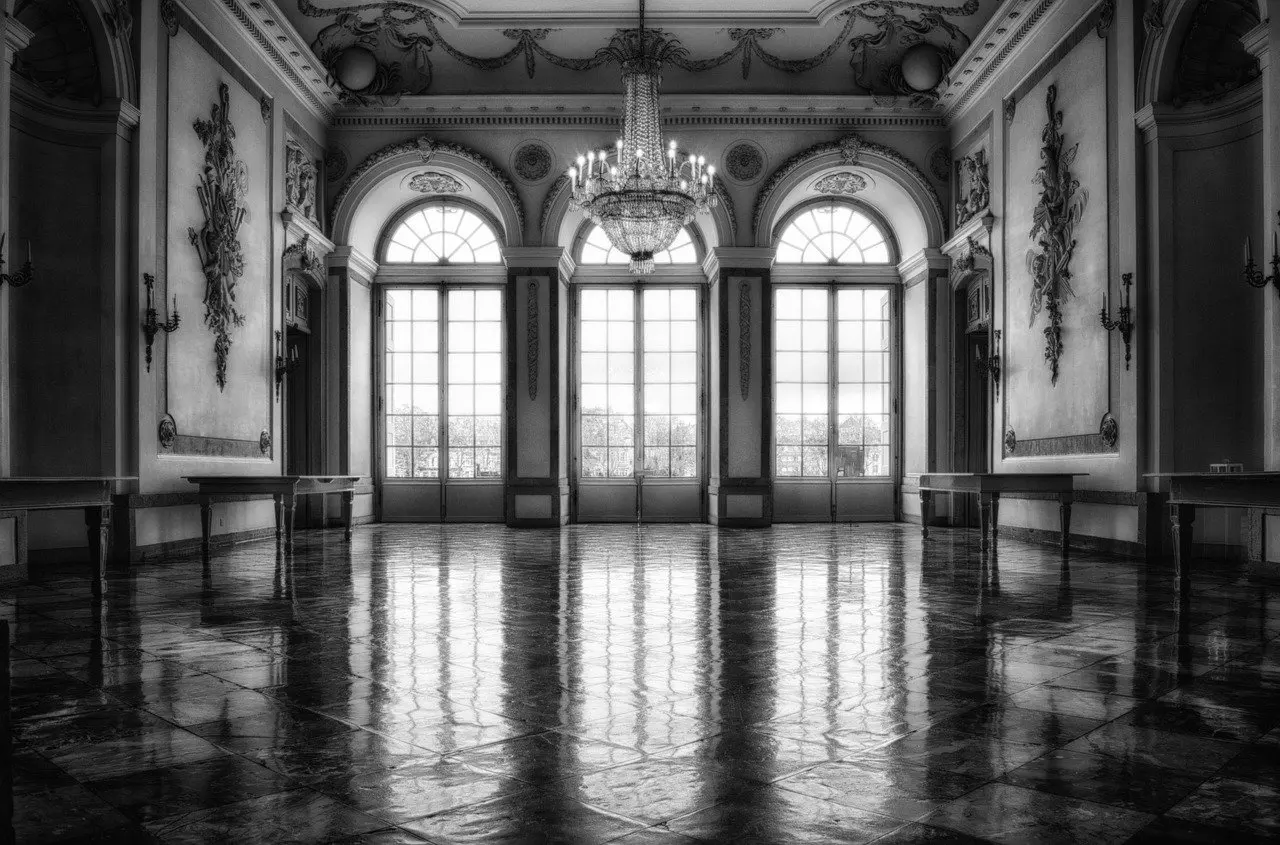
Palazzo Giustinian is the building that houses the Museo del Vetro, according to the ticket listing, so the visit begins with a palace setting rather than a purpose-built gallery. Searches for the palazzo and the museum lead to the same address on Fondamenta Giustinian.
The museum began as an archive. Murano Net reports that it was founded in 1861, when the mayor Antonio Colleoni and the abbot Vincenzo Zanetti inaugurated that archive. That origin shows in the way the collection is organised: as a record of the island’s glassmaking over time.
Two dates from the island’s history give useful context for what the rooms show. A Glass of Venice history notes that in 1292 the Venetian government ordered all glass craftsmen moved to Murano. It also describes a slow decline from the 18th century, ending in collapse when the Venetian Republic fell in 1797. Keeping those dates in mind helps explain why the display moves from early workshops to later revivals.
The early rooms: archaeological section and historic glass
The Archaeological section holds Roman relics of the 1st, 2nd and 3rd centuries AD, according to Murano Net. Glassmaking on the lagoon therefore predates Murano’s famous workshops, and it makes sense to begin here.
The Venice tourism office describes the whole display as masterpieces of the ancient art of glass, running from the Roman Age to present-day pieces.
- Start in the archaeological section. Read the Roman material first, since everything that follows is a later development.
- Move forward room by room. The chronological arrangement means each room shows a later stage, so walking in order keeps the story clear.
- Look for the Barovier wedding cup. The Venice tourism office singles out the coppa Barovier as a rare piece famous worldwide. It is the clearest single object to seek out if you want one anchor for the visit.
The later rooms: twentieth-century designers and temporary shows
The later part of the walk reaches the 20th century, where Murano Net lists masterpieces by Venini & C., Vittorio Zecchin and Carlo Scarpa. Visitors who care more about design than history will find these names the most useful reference points. They show glass being treated as a designer’s material, not only a craft inherited from earlier centuries.
The museum also hosts temporary collections beside the permanent displays, so part of any visit can differ from another. The scale of the holdings behind those shows is clear from a past exhibition described by Glass of Venice. It drew over 300 objects from the Murano Glass Museum collection and ran from 11 Dec 2010 to 25 Apr 2011.
If time is short
Because the display runs from origins to recent work, a short visit works best when it keeps both ends of the timeline. Spend time in the archaeological section, find the Barovier cup, then finish with the 20th-century designers. That path covers the oldest material and the best-known modern names, and it leaves out the middle stretch. A visitor with more time should read the chronology in full.
After the visit: furnaces and the online collection
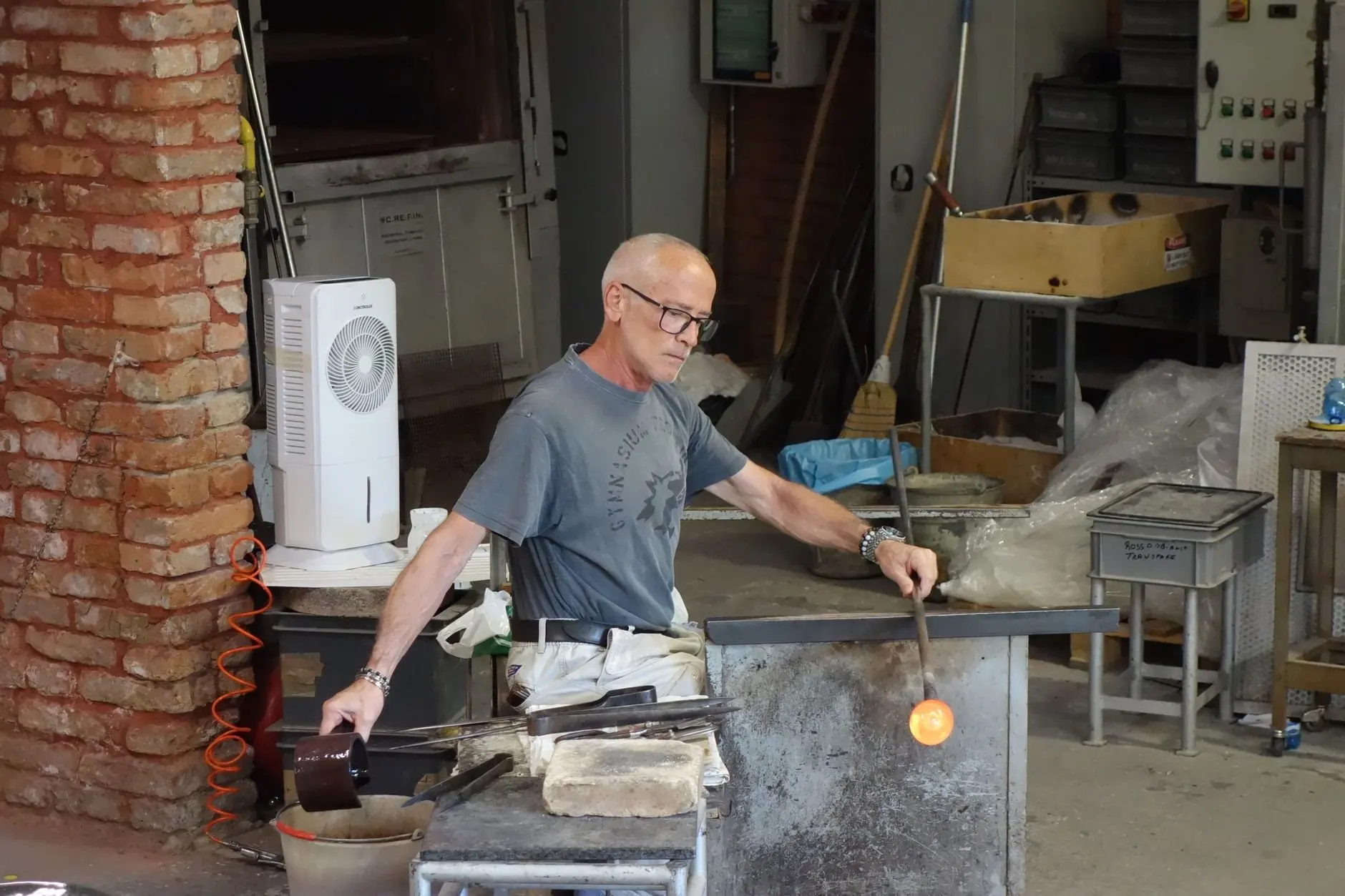
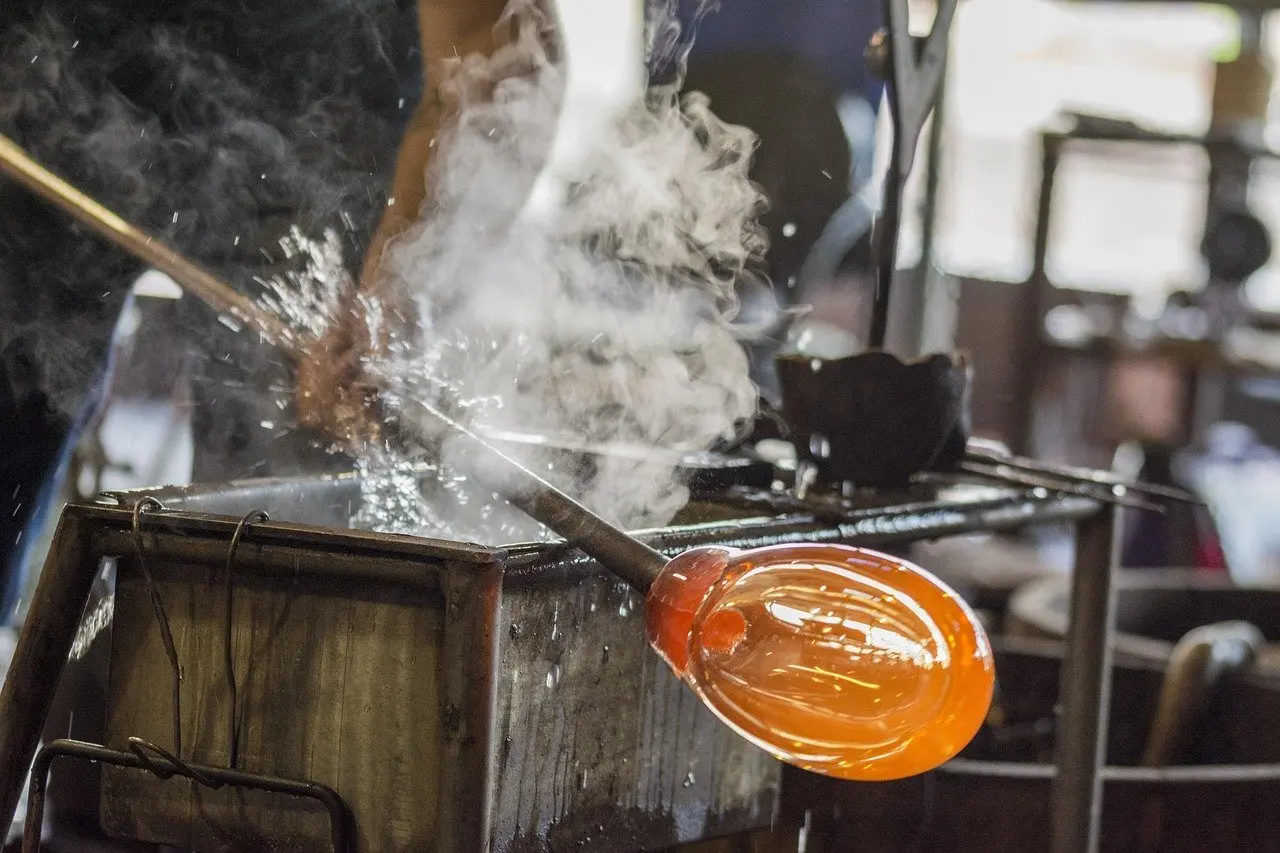
Seeing finished historical glass raises the question of how it is made today. The guide to murano glass factories explains where to watch working furnaces on the island, and that makes a good pairing for the same trip. Back at your accommodation, the Google Art Project collection shows 54 of the museum’s most famous pieces online, which is a handy way to revisit what you saw.
Frequently asked questions
What can you see at the Murano glass museum?
The museum shows Roman relics in its archaeological section and major Murano pieces from the 15th to 20th centuries, per Murano Net. Highlights include the Barovier cup, works by Venini, Zecchin and Scarpa, and temporary exhibitions.
How much is a ticket and when is it open?
Prices and opening days can change, so use the museum’s official page for the current ticket price and hours. An online ticket listing is also available if you want to arrange entry in advance.
Where is Palazzo Giustinian on Murano?
The palazzo that houses the museum stands at Fondamenta Giustinian 8, 30121 Murano, according to the Venice tourism office.
Does the museum offer tours or family activities?
Yes. The museum organises guided tours for adults and also runs school and family programmes. It has a dedicated room for breastfeeding, changing and relaxing.