Palazzo Fortuny Venice, the Fortuny Museum on Campo San Beneto, opens daily except Tuesday, from 10:00 to 18:00 in summer and 10:00 to 17:00 in winter, according to the Musei Civici visitor page.
A common problem is a free afternoon near the Rialto, a Tuesday on the calendar and a wish for something quieter than the headline sights. The quick answer below resolves it.
- Pick any day except Tuesday. The museum is closed every Tuesday, year-round.
- Plan for a short, focused visit. A visitor guide suggests allowing 1 to 1.5 hours for the rooms, textiles and temporary exhibitions.
- Expect a design museum in a palace. The building was the home of Mariano Fortuny, and its appeal lies in textile design, the setting and rotating exhibitions.
Palazzo Fortuny is one of the city’s smaller venues in the guide to venice exhibitions. It suits visitors who want a design-led stop rather than a large-scale show.
Hours, tickets and time needed
The Fortuny Museum belongs to the network run by the Fondazione Musei Civici di Venezia, and its opening hours change with the season. The table sets out the figures that decide most plans.
| Item | Detail | Planning use |
|---|---|---|
| Summer hours (1 April to 31 October) | 10:00 to 18:00 daily, closed Tuesdays | Leaves room for a late-afternoon visit. |
| Winter hours (1 November to 31 March) | 10:00 to 17:00 daily, closed Tuesdays | Closes an hour earlier, so aim for the morning or early afternoon. |
| Adult ticket | €15.00 | Budget this per adult. |
| Reduced ticket | €7.50 | Check eligibility rules before travelling. |
| Children aged 0 to 5 | Free | No ticket cost for the youngest visitors. |
| Typical visit | 1 to 1.5 hours; closer to 2 hours with an audio guide | Fits between two other stops without a full-day commitment. |
| Nearest vaporetto stop | Sant’Angelo, then a short walk through narrow lanes | Use it as the water-bus approach. |
Hours come from the Fondazione Musei Civici di Venezia visitor page, and the admission and timing figures from a visitor guide, so confirm prices before buying.
Several decisions follow from these figures:
- Winter visitors: go earlier in the day, because the museum closes sooner than in summer and the visit needs more than an hour.
- Residents: on Musei in Festa days, the Foundation offers free admission to the Musei Civici for residents of 44 municipalities of the Metropolitan City area plus Mogliano Veneto.
- Audio guide users: allow closer to 2 hours rather than the shorter estimate.
Finding Campo San Beneto
Palazzo Fortuny stands on Campo San Beneto at San Marco 3958, 30124 Venezia, according to the museum listing on Venezia.net. The address sits in the San Marco district, so a map app helps more than street signs in the lanes.
Two approaches work well, based on the visitor guide:
- By vaporetto: get off at Sant’Angelo and walk through the narrow lanes. This suits visitors already on the Grand Canal.
- On foot from the Rialto Bridge: the walk usually takes about 10 to 15 minutes. This suits anyone staying near the market area who prefers not to wait for a boat.
Because the lanes are narrow and busy, leave a few spare minutes if a timed plan or a closing hour matters.
What is inside Palazzo Fortuny
Palazzo Fortuny is a house-museum, so the building is part of the display. The visitor guide describes a Gothic palace originally constructed in the 15th century, and Venezia.net adds that it carries 19th-century additions. It is the house of Mariano Fortuny, who began using it as a creative base in the early 20th century, as home, studio and laboratory.
The courtyard and the rooms
The courtyard is framed by two porticoes, each 45 metres long, which makes the entrance feel larger than the street front suggests. Inside, the atmospheric rooms hold textiles and temporary exhibitions. Anyone who wants an interior with a design story rather than a purpose-built gallery will find that the palace setting is the main difference from other Venetian exhibition venues.
Who was Mariano Fortuny
Mariano Fortuny y Madrazo (1871 to 1949) was a Spanish artist, designer and inventor who made Venice his home, according to the visitor guide. The museum is built around that range of work, which is why it suits readers interested in design as much as in art history.
Textile design and collaboration
Textile design is the thread through the collection. Fortuny often collaborated with Henriette Negrin, whose role in textile and dress design is described as essential. Visitors who treat the museum as a story about two people working with fabric will get more from the rooms than those who expect a single-artist retrospective.
The Delphos Dress and the Fortuny Lamp
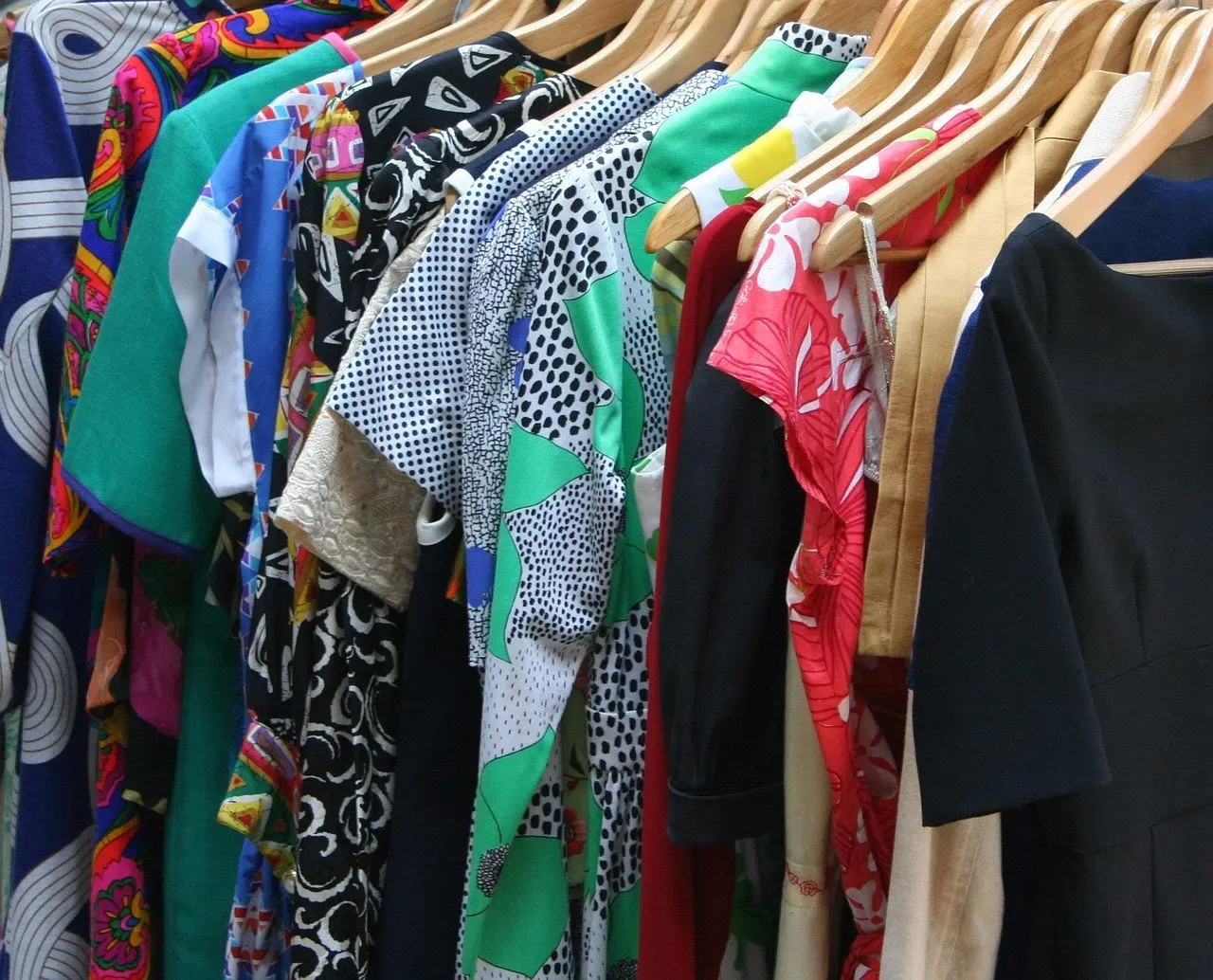
Two inventions explain his reputation. The Delphos Dress, patented in 1909, is famous for its finely pleated silk. The Fortuny Lamp, introduced in 1907, used a large reflector to create soft, diffused light. Together they show a designer who worked on how fabric falls and how light reaches a room, which makes the palace itself a fitting setting.
Temporary exhibitions and how to check the current one
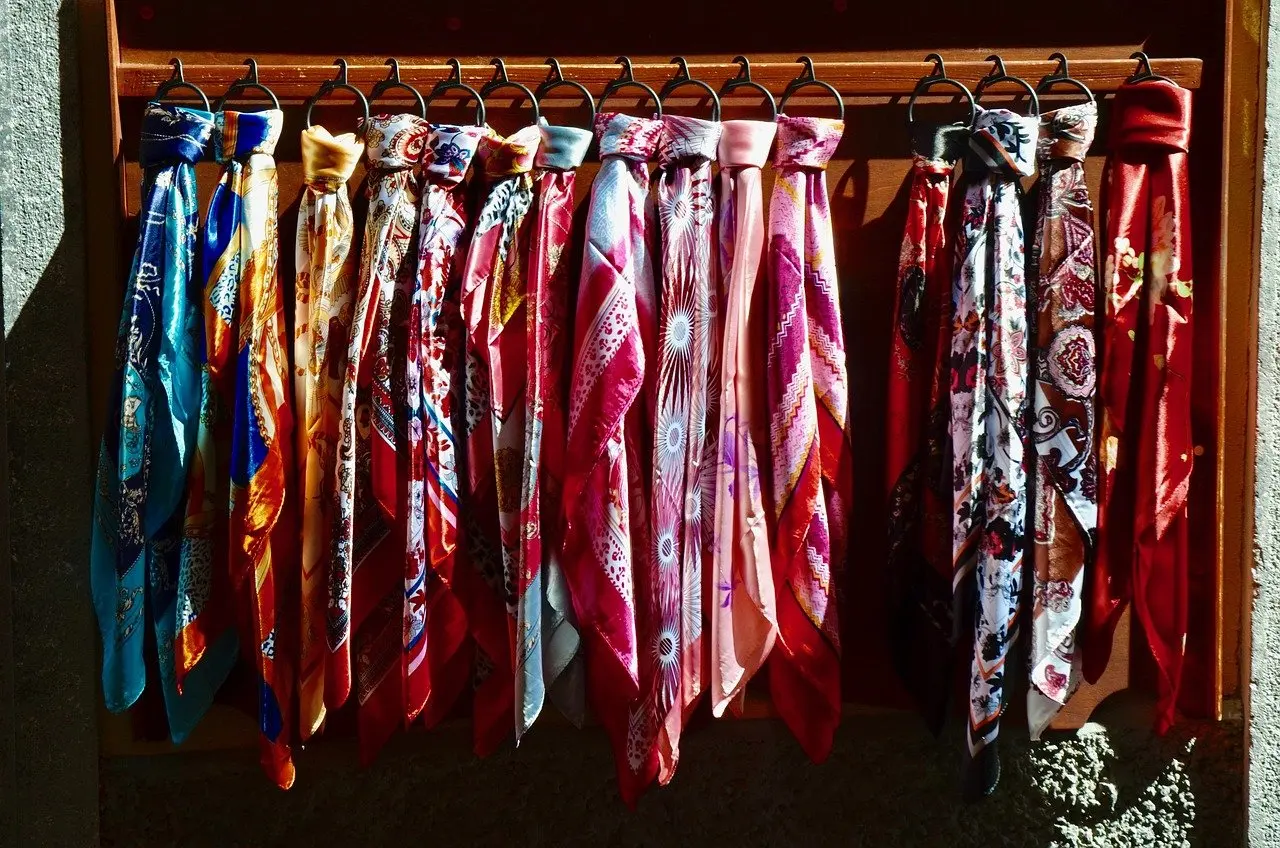
Temporary exhibitions share the palazzo with the permanent atmosphere of the house, and the displayed works can rotate across the palazzo’s floors. That means a return visit may look different from the first, and a photo seen online may not match the rooms open on the day.
The current programme is listed on the museum’s own site, fortuny.visitmuve.it, and the Musei Civici visitor page covers the wider network. Check the programme before choosing a date, because a visit built around one particular show depends on that listing rather than on older descriptions.
Visitors combining the museum with larger events can compare timings in the guide to venice biennale dates and read the overview of the venice biennale art exhibition. Palazzo Fortuny works best as a contrast, a smaller design-focused stop on the same trip.
When plans go wrong
- Hours look uncertain: call the museum call centre on 848082000 from Italy or +39 041 42730892 from abroad, as listed on the official visitor page.
- The entrance is hard to find: head for Campo San Beneto itself and use Sant’Angelo as the reference stop, rather than following the Grand Canal.
- Tuesday is the only free day: choose another venue that day and keep Palazzo Fortuny for a day when it is open.
Frequently asked questions
| Question | Answer |
|---|---|
| Can the museum be visited after it closes? | The Foundation offers exclusive visits after closing, with the museum closed to the public and visitors accompanied only by licensed guides, as stated on the official visitor page. |
| Does a Museum Pass cover it? | A Museum Pass is described as giving entry to the Doge’s Palace and 10 other museums in Venice, according to Venezia.net. Confirm with the call centre whether the current pass includes Palazzo Fortuny. |
| Is Palazzo Fortuny the same as Palazzo Pesaro degli Orfei? | Listings place the museum at Palazzo Pesaro degli Orfei, Campo San Beneto, San Marco 3958, so both names point to the same building, per the visitor guide. |
| Is there an email address for the museum? | The listing on Venezia.net gives [email protected]. |