| Symptom | First action | Planning use |
|---|---|---|
| Unsure where to buy | Open the official La Biennale di Venezia ticketing page and use only the sales points it names | Gives you one reference to compare every offer against |
| Preview-day entry wanted for the 61st edition (6-8 May) | Ask the organisations that received a limited allocation of preview tickets from the Biennale, such as the Mondriaan Fund | Treat preview access as arranged in advance, not as a walk-up option |
| Ticket issued in another person’s name | Check the name on the ticket before travelling | Preview tickets for the 61st edition are strictly personal, so do not plan to swap them |
| Unsure whether one ticket covers Giardini and Arsenale | Read the validity wording for the exact ticket type before paying | Decides whether you need one visit or a split itinerary |
| No idea where to begin inside | Start with the historic Central Pavilion at the Giardini | Gives the first visit a clear anchor |
Preview-day details come from the Mondriaan Fund’s ticket notice, and the starting-point suggestion from a Venice visitor guide.
Venice Biennale tickets are bought through official La Biennale di Venezia channels, and the right type depends on the edition, the venue and your eligibility for reduced rates. Confirm each point on the official ticketing page before paying.
This guide covers the buying process only. For the wider picture of what is on show in the city, see the venice exhibitions hub, and for the content of the art edition read the venice biennale art exhibition guide.
Decide which ticket you need
The first decision is which edition and which venues you want to see, because a ticket is tied to the edition on show. The two main venues are the Giardini and the Arsenale, and a visitor who wants both should confirm that the chosen ticket type admits entry to each before paying.

If your trip falls in an architecture year rather than an art year, the exhibition, the schedule and the ticket wording differ. The venice architecture biennale guide explains how that edition differs, so you can match the ticket to the right event.
Symptom: the ticket page lists several categories
When the page offers several categories, work out which one describes you before comparing anything else. Full-price, reduced and multi-day options usually sit side by side, and the cheapest label is not automatically the best fit. Choose the category whose validity wording matches your plan, not the lowest figure on screen.
Symptom: you are looking for discount tickets
Reduced rates depend on eligibility, and the organisation defines who qualifies for each edition. Read the eligibility list on the official page and decide honestly whether you fit a category. If you qualify, keep whatever proof the page asks for within easy reach, because a reduced ticket can be refused at the gate if the proof is missing. If you do not clearly qualify, buy the standard ticket instead of risking a refusal at entry.
Symptom: you want a multi-day pass
Validity rules for multi-day passes are set per ticket type. Check how the days are counted, whether they must be consecutive, and whether each venue can be entered on each day. A short trip with one long visit rarely needs a multi-day pass. A slower visit that treats the Giardini and the Arsenale as separate outings is the case where the validity rules matter most.
Where to buy and whether to book ahead
Buy from the sales points that La Biennale di Venezia itself names, which include its official online ticket page and any on-site ticket offices it lists for the current edition. Use that page as the reference for rules, and be cautious with any other seller whose terms you cannot compare against it.
Booking ahead is the safer habit for any date you cannot move, such as a day tied to a flight or a hotel booking. Ahead of the opening, preview access shows how tightly some routes are controlled. The organisation passed only a limited number of preview tickets to third parties, which suggests that planning early is more reliable than hoping for entry on the day.
Preview days and personal tickets
Preview days are a separate route from ordinary admission. For the 61st edition, the preview days ran on 6 to 8 May, and the Mondriaan Fund received a limited number of tickets from the Biennale organisation for them.
Those tickets are strictly personal and, if honoured, are emailed to the recipient in April. Two practical consequences follow. First, a personal ticket cannot be passed to a colleague or friend, so the named person must attend. Second, an emailed ticket should be saved somewhere that works without a signal, since the entry check happens at the gate.
Symptom: the preview ticket has not arrived
If you applied through an organisation and nothing has arrived, contact that organisation rather than the gate. The word “if honoured” in the notice shows that an application is not a guarantee, so keep a fallback plan for the ordinary opening dates.
Reaching the Giardini and the Arsenale
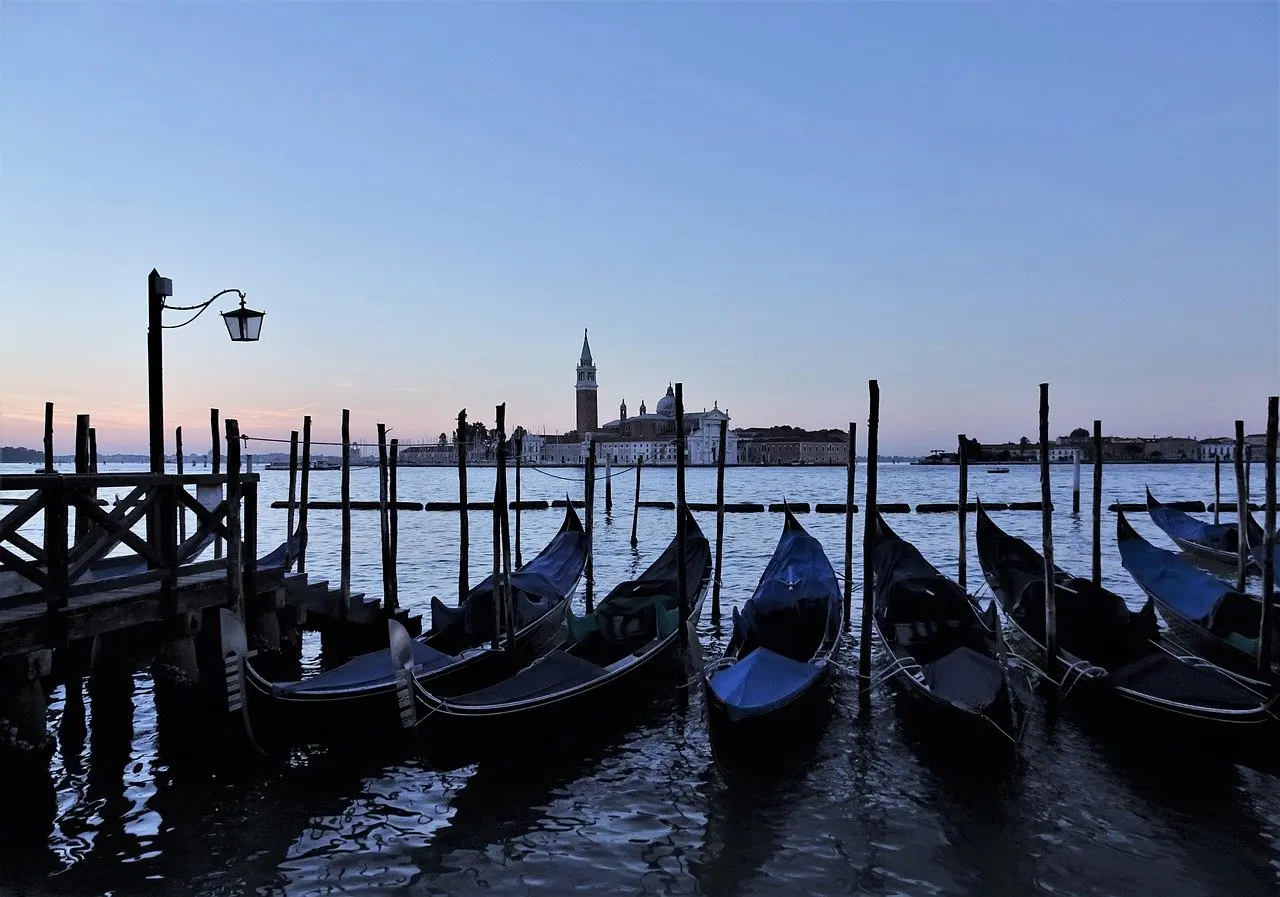
The Giardini and the Arsenale are both reached comfortably by water bus. Check the ACTV vaporetto timetable for the Giardini and Arsenale stops on your travel day, then fix the ticket date around the journey rather than the other way round.
Symptom: you are choosing between the two venues
If time allows only one, a Venice visitor guide suggests starting with the historic Central Pavilion at the Giardini. The reason to start there is simple: it gives the visit a clear first stop, and the Arsenale can follow if the ticket and your energy allow.
Plan for crowds as well. The 50th edition in 2003 drew more than 260,000 visitors, according to the same guide, which shows how busy the event can become. Arrive early in the day if your ticket allows it.
Entry day checkpoints
On the day, a short checklist prevents most refusals at the gate.
- Ticket format. Keep the QR code or printed ticket ready and saved offline, so a weak connection does not delay entry.
- Name and proof. Make sure the name on a personal ticket matches the person entering, and carry any proof required for a reduced rate.
- Venue match. Confirm that the venue you are standing at is one your ticket covers.
- Time of day. Opening hours differ by edition and venue, so read them on the official page and allow enough time to see the exhibition before closing.
Common mistakes to avoid
- Buying before checking validity. The cheapest option can cover fewer venues or days than your plan needs.
- Assuming discounts are automatic. Reduced rates require eligibility, and the gate may ask for proof.
- Treating preview tickets as transferable. They are personal, so a substitute visitor will not be admitted on someone else’s ticket.
- Mixing up editions. An art year and an architecture year have different exhibitions, so confirm which one you are booking.
If the official page is unclear on any of these points after careful reading, delay the purchase until the wording is resolved, because a ticket bought on a wrong assumption is the costliest error in this process.
Frequently asked questions
| Question | Answer |
|---|---|
| What are the Venice Biennale opening hours? | Hours depend on the edition and the venue, so do not assume the Giardini and the Arsenale open and close together. Read them on the official ticketing page for your dates. |
| Can a friend use my preview ticket? | No. Preview tickets for the 61st edition were described by the Mondriaan Fund as strictly personal. |
| Are discount tickets available? | Reduced rates exist where the organisation defines an eligible category for the current edition. Check the list on the official page and carry the proof it requests. |
| Is one ticket enough for both venues? | It depends on the ticket type. Read the validity wording for the Giardini and the Arsenale before you pay, then plan the visit around what it covers. |