Rialto market Venice is a morning stop. The produce stalls run Monday to Saturday, the fish market runs Tuesday to Saturday, and both are finished by early afternoon. Go early on a weekday, and avoid Sunday and Monday if fish is the goal.
The usual problem is a late start or a wrong day. A visitor who arrives mid-afternoon, or on a Monday, finds empty pitches where the stalls were. The sections below match the day, the hour and the shopping goal to what is actually on sale. For wider planning on the water and on foot, see how to get around Venice.
Problem: choosing the right day and hour
The Rialto produce market and the fish market keep different days, so the weekday decides what a trip can achieve. According to a food blogger’s field-trip report on Kitchen Joy, produce is sold Monday to Saturday mornings only, and the fish market is open Tuesday to Saturday mornings only.
| Market | Days open | Closed | Planning use |
|---|---|---|---|
| Erbaria (fruit and vegetables) | Monday to Saturday, mornings only | Sunday | A Monday visit still works for produce, but not for fish. |
| Pescheria (fish market) | Tuesday to Saturday, mornings only | Sunday and Monday | Plan fish shopping for Tuesday to Saturday, and see it while it is still stocked. |
| Produce stalls, finishing time | Packed up by about 1:00pm at the latest | Afternoons | Treat 1:00pm as a hard ceiling, not a target. Arrive well before it. |
These days and hours come from the Kitchen Joy field-trip report. Market hours can shift, so check current Comune di Venezia notices before making a special trip.
The practical rule is simple. If the plan includes fish, pick a day from Tuesday to Saturday. If it only includes fruit and vegetables, any day except Sunday works. In both cases, aim for the early part of the morning, because the same report advises getting there early, when the selection is best.
Pescheria: the fish market
The Pescheria is the part of Rialto most visitors picture, and it is the most time-limited. It is open only on Tuesday to Saturday mornings and is closed on Sunday and Monday, which makes it the main reason to plan around the calendar.
Fish stalls suit two kinds of visitor. Travellers with a kitchen can buy directly from the vendor. Everyone else gets a close look at how the city’s seafood trade is displayed, at no cost. Those who do not cook will usually get more from the market by seeing it in the morning and then eating a seafood-led meal elsewhere. The guide to traditional Venetian dishes explains what to order once the market has shown what is in season.
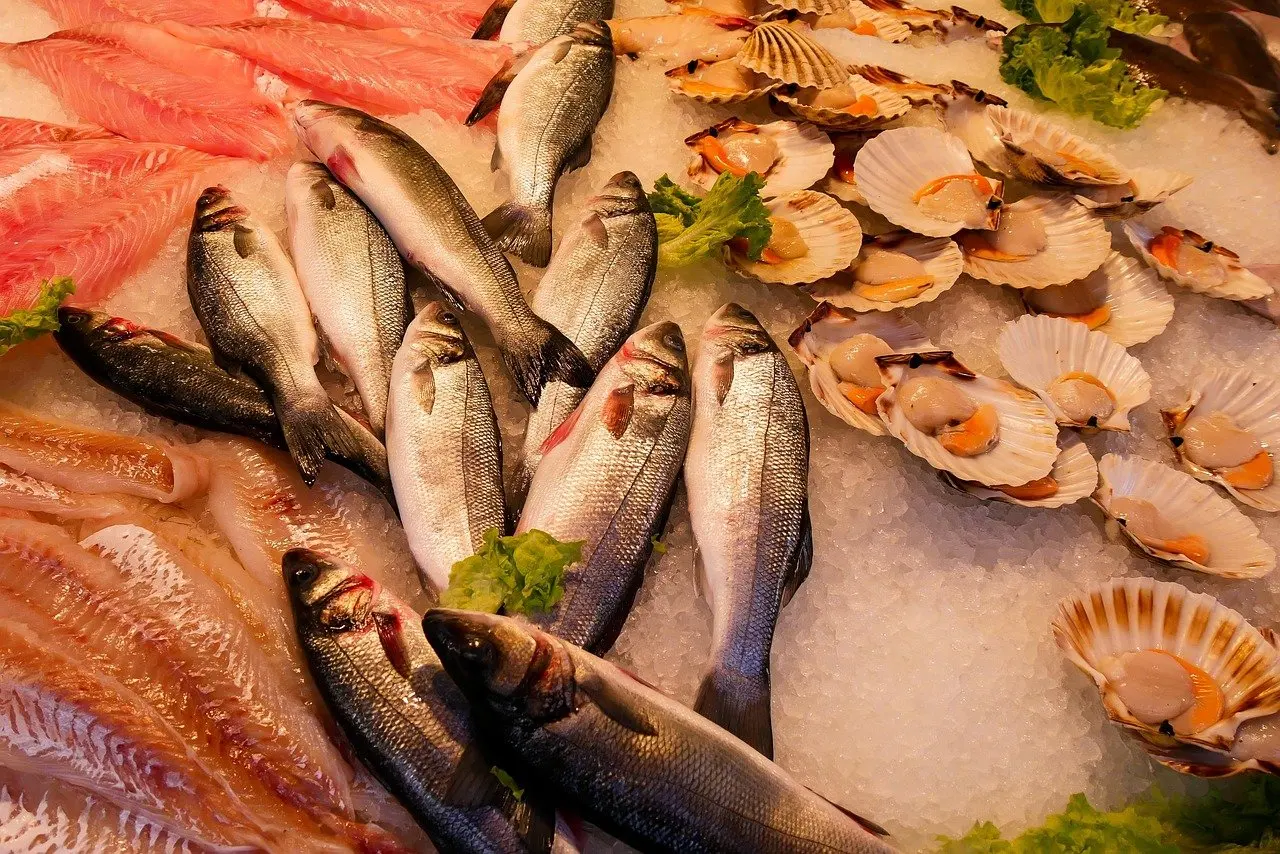
One feature is worth noticing before buying anything. Signs at the stalls indicate whether the fish has been frozen, according to the Kitchen Joy report. Reading that sign matters more than the look of the display, because it is the clearest guide to what is fresh and what is not.
Erbaria: fruit and vegetables
The Erbaria is the produce half of the market and the more forgiving one. It operates Monday to Saturday, and the stalls are cleared by about 1:00pm at the latest, so a late-morning visit leaves little margin.
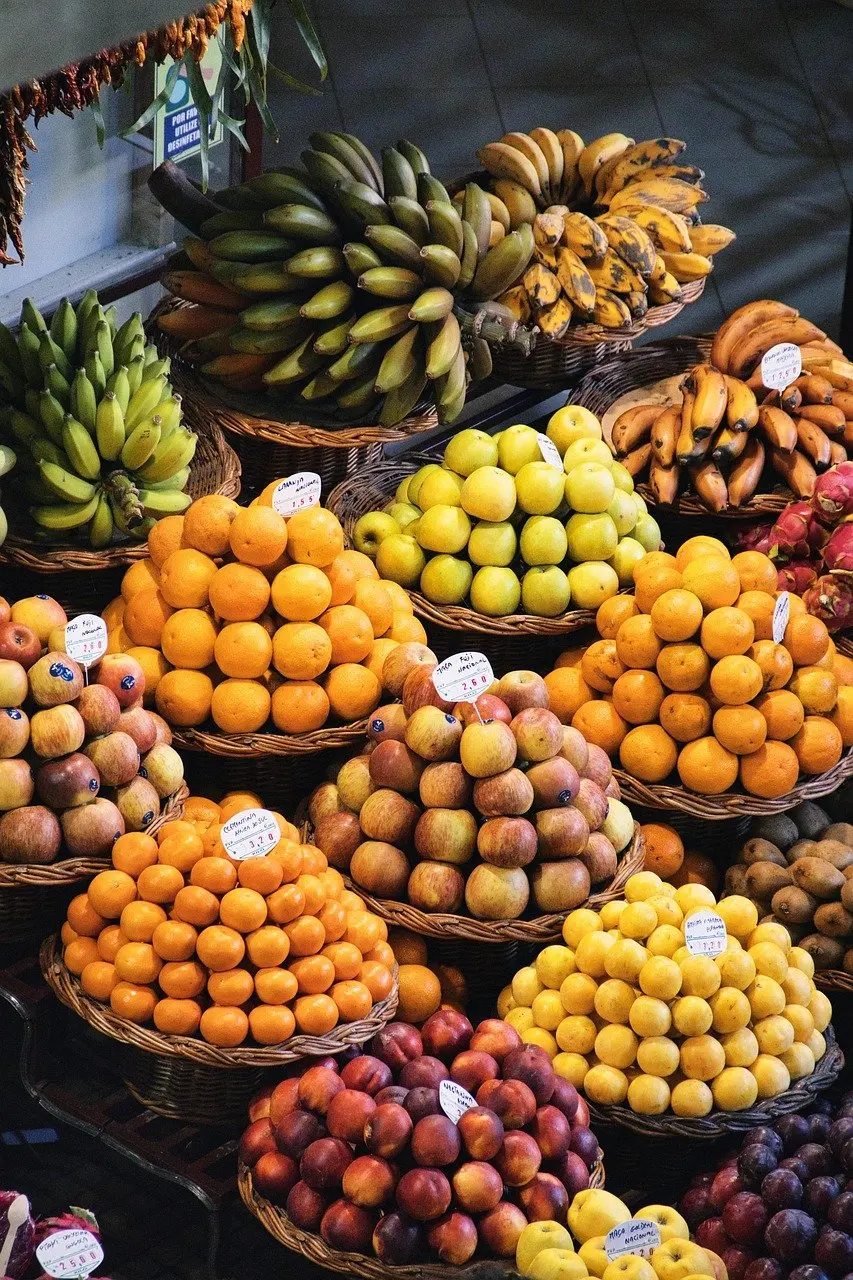
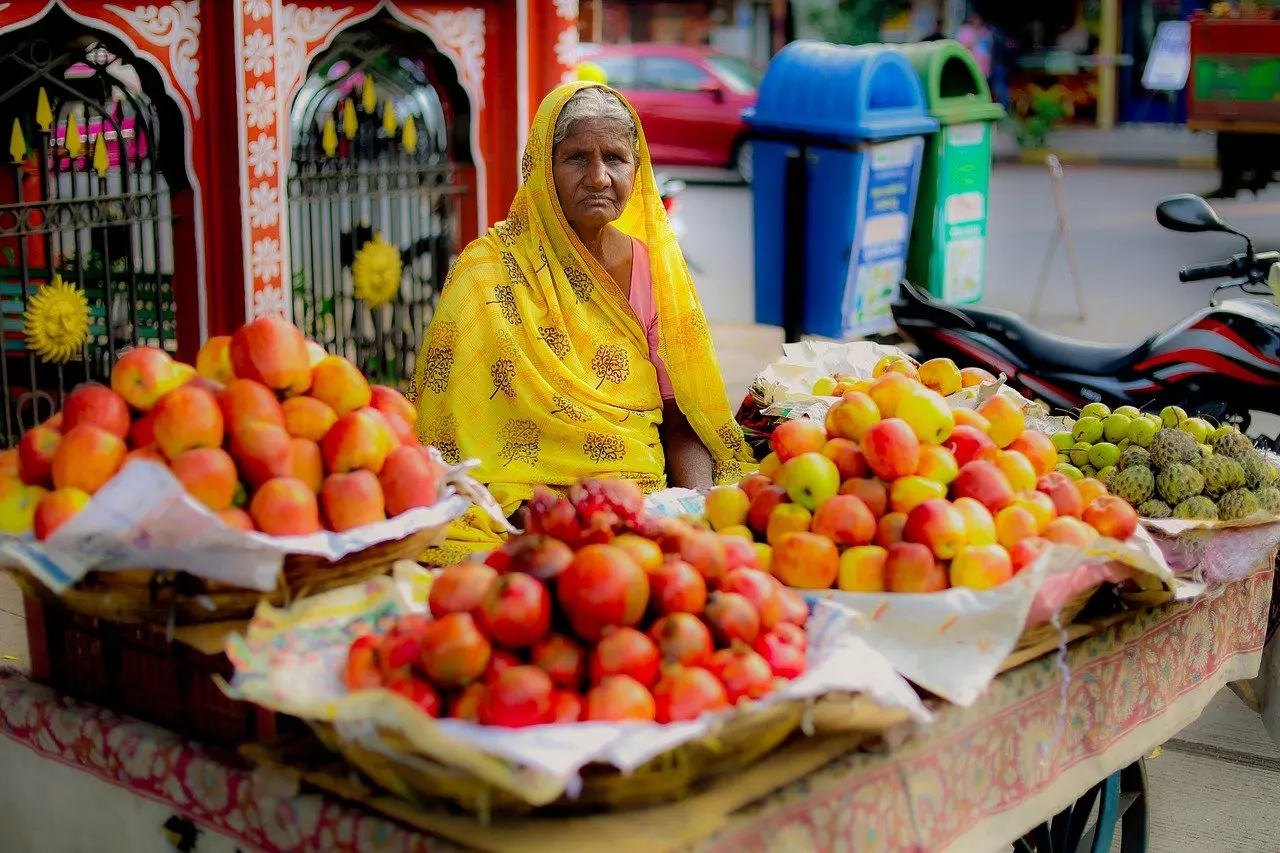
Produce shopping here suits anyone who wants picnic food or a snack rather than a full meal. The blogger describes wonderful fruit for eating while sitting along the Grand Canal. This is the most direct answer for visitors without a kitchen: buy fruit, find a place by the water, and eat it there.
Stall etiquette is stricter than at many markets. Bare-hand touching of produce is not allowed, so ask the vendor to pick the items. Visitors who point and ask rather than handle the fruit avoid the most common awkward moment at the stalls.
What is sold and what is actually local
The best guide to what is local is the stall label. Vendors label the name, the price and the origin of what they sell, according to the field-trip report. A shopper who wants local produce should read the origin line and choose by it, rather than assuming everything on display comes from the lagoon or the surrounding region.
That judgement carries weight because Rialto is a working market and a visited one. A tidy pile of fruit does not make it local, so use the label as the deciding fact. The same applies to seafood: the frozen-or-not sign is the matching check.
Three habits keep the purchase sensible:
- Read the origin first. It is the one detail that separates local produce from imported produce.
- Check the frozen sign on fish. It matters most when buying to cook the same day.
- Ask rather than touch. The vendor picks, and the shopper confirms.
Shops around the market
The market stalls are only part of the shopping. The San Polo area around Rialto has spice shops and many meat and cheese shops, as the Kitchen Joy report notes. These shops fit shoppers who want food to take home, such as spices and cheese, better than fresh fish does.
The market sits in Campo San Giacomo di Rialto, in a square right next to the stalls that lead up to the Rialto Bridge. The blogger also found gifts more affordable here than near Piazza San Marco. That is one person’s report, but it points to a sensible habit: compare gift prices here before buying near the main square.
A market visit also pairs naturally with a drink. According to the same blogger, a glass of wine and cicchetti cost only a few euros nearby. Visitors who time the market for the morning can eat the snacks as a light early lunch before the stalls close. Anyone carrying a bottle should read the guide to Venice drinking fountains to plan refills on the walk.
Is Rialto worth visiting as a tourist?
Yes, with the right expectations. Rialto is worth the time for shoppers who go in the morning on a market day, want food or small gifts, and enjoy watching trade at work. It is a poor choice for a mid-afternoon stop, because the stalls will be gone.
The market is easy to include in a day on the water. The Rialto Bridge can be reached by vaporetto, and the stalls sit right next to the approach. A short morning here fits before heavier sightseeing, and it costs little compared with a sit-down meal. Sightseers who only want the bridge can go at any hour, but shoppers should treat the bridge as the landmark and the morning stalls as the real reason to come.
Best time to go
The best time is early in the morning on a Tuesday to Saturday, when both the produce and fish stalls are open and the selection is at its best. Monday suits produce only. Sunday has no market for either. Because the produce stalls are packed up by about 1:00pm at the latest, a late start loses the main part of the market.
Frequently asked questions
| Question | Answer |
|---|---|
| What are the Rialto market opening hours? | The produce market runs Monday to Saturday mornings only, and the stalls are packed up by about 1:00pm at the latest. The fish market runs Tuesday to Saturday mornings only. |
| Which days is the fish market closed? | The fish market is closed on Sunday and Monday. |
| What can I buy at Rialto and what is local? | Fruit, vegetables and fish are sold at the stalls, and spice, meat and cheese shops surround the market in the San Polo area. Vendors label name, price and origin, so the origin line shows what is local. |
| Is it worth visiting Rialto market as a tourist? | Yes, in the morning on a market day. Gifts near Rialto were reported as more affordable than near Piazza San Marco, and a glass of wine with cicchetti costs only a few euros. |
| Can I touch the produce? | No. Shoppers may not handle produce with their bare hands, so ask the vendor to select items for you. |