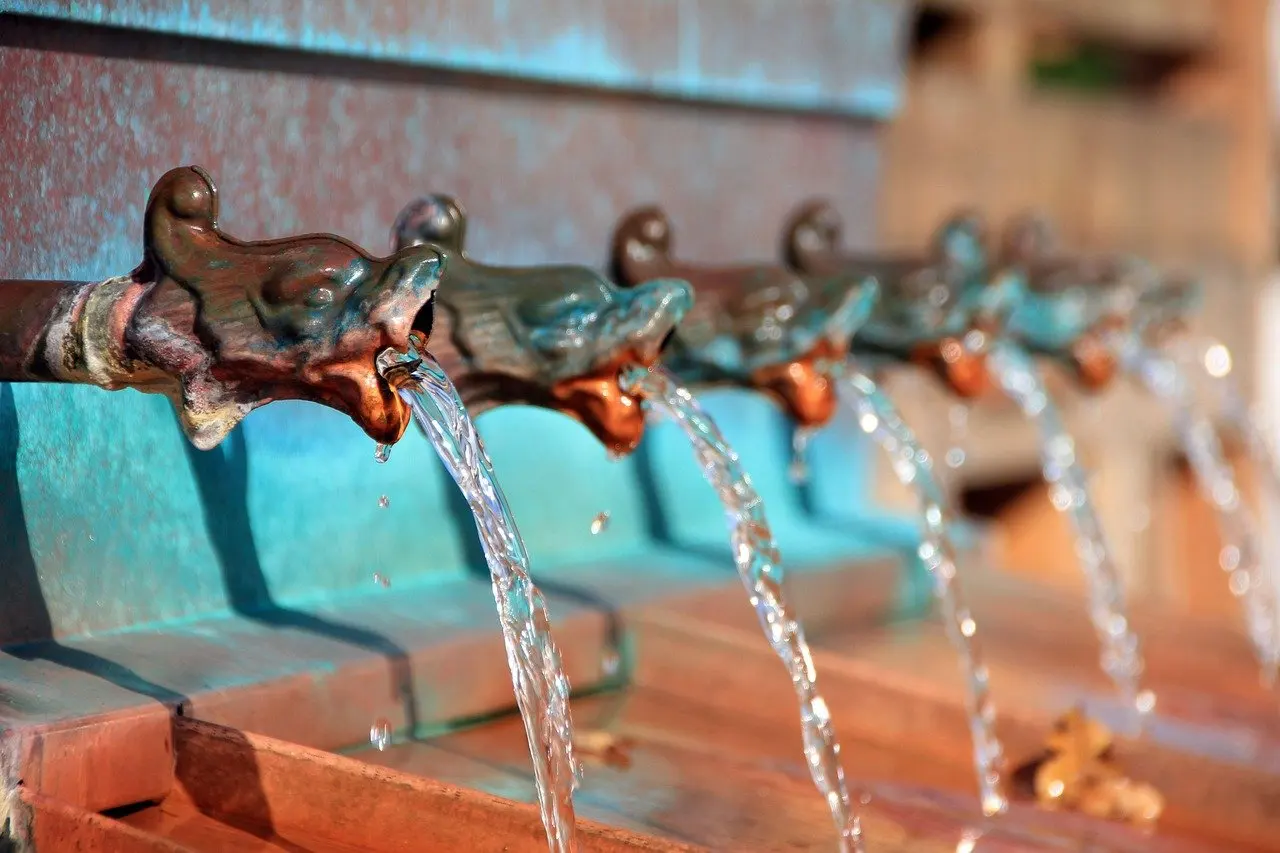
Quick answer: Venice drinking fountains supply free public tap water, which is generally safe to drink. Carry a refillable bottle and top it up as you walk. Fountains are scattered across the city, so plan refills rather than buying bottled water.
This page sits within our wider guide on how to get around venice. It explains why the water is drinkable, how to use the fountains, and how to pair a refill with a toilet stop.
Why Venice tap water is drinkable
Public tap water in Venice is generally safe to drink and comes from a reliable source, according to the Rexby travel guide to Venice tap water. That is the main reason the public fountains work as a travel resource. They deliver the same tap supply the city’s residents use, not a separate or lower-grade water.

The condition is in the word “generally”. The statement covers the public supply and the fountains that deliver it. It does not cover every tap in every building, and it does not make a labelled non-drinking outlet suitable for filling a bottle. If a tap or spout carries a sign saying the water is not for drinking, follow the sign.
A public tap-water initiative, venicetapwater.org, promotes the quality and safety of the city’s tap water, as described in Rexby’s note on drinking tap water in Venice. Its aim is to get visitors to choose tap water over bottled water. The practical result for a traveller is simple: there is no need to treat Venice as a place where bottled water is the only safe choice.
What this means for your day
Drinkable public water changes how you plan a walking day. You can start with an empty or half-full bottle and fill it as needed instead of carrying a heavy supply. You also avoid hunting for a shop whenever you are thirsty, which matters in a city where much of the exploring happens on foot.
What the public fountains offer
Public fountains are the free refill points in Venice. Locals often fill their reusable bottles at the numerous fountains scattered throughout the city, as the Rexby guide notes. The same source gives no count of fountains, so treat any exact figure you see elsewhere with caution. The reliable takeaway is that they are spread across the city rather than clustered in one district.
Being scattered is helpful, but it also means you cannot assume a fountain sits on your exact route. Venice is a dense network of lanes, bridges and small squares, and a fountain is easy to walk past if you are following a map for something else. Watch for them as you cross squares and open spaces, and refill when you see one instead of waiting until the bottle is empty.
Using a fountain map
A venice water fountain map can help you plan refills, but a map is only as useful as its source. Prefer a map that comes from the municipality or a recognised tap-water initiative, and treat a crowd-sourced pin as a lead rather than a guarantee. Once you are in the city, what you can see in front of you matters most. A fountain you have spotted on a street beats one you are hoping is still where an old map says it is.
Refilling your bottle step by step
Yes, you can refill your bottle for free. Filling a bottle from tap water saves money compared with buying bottled water, as the Rexby guide puts it, “saving some euros”. It also helps reduce plastic waste, according to the same guide. Because both benefits come from one habit, a refillable bottle is the single most useful item to pack for this topic.
- Pack a bottle you can refill. Choose one with a wide enough neck to hold under a spout and a lid that seals well in a bag.
- Fill it before you leave your lodging. A full bottle at the start of the day means the first fountain you meet is a top-up, not a necessity.
- Top up whenever you pass a fountain. Do not wait for an empty bottle. Fountains are scattered, and you cannot count on one being at the exact moment you are thirsty.
- Check for signage. Use a spout only if it is a public drinking supply and nothing indicates the water is not for drinking.
- Refill before longer stretches. Before a long walk, a boat journey or a queue, make sure the bottle is full.
That last step connects naturally with the water-taxi and ferry network. If you are working out what a day of boat travel will cost, the vaporetto ticket price guide covers fares, and a full bottle spares you from paying for drinks at stops along the way.
Choosing between bottle types
The decision comes down to how you travel. A lightweight, resealable bottle suits a day of walking and bridge-climbing, because the weight stays manageable even when it is full. A heavier glass bottle is fine for a table or a short outing but is a poor choice for a full day in a bag. Whichever you choose, the water drawn from public fountains is the same.
Markets, food stops and water
Combining a refill with a food stop keeps the day simple. If you are visiting the city’s food and produce stalls, the rialto market venice guide explains what to expect from a market visit. Bring your bottle along so that you are not tempted to buy bottled water while you shop for snacks.
Fresh food is a good reason to keep water handy, since a market morning often involves a lot of standing and carrying. Fill the bottle first, then shop. A café stop remains a fine option when you want a seat and a drink, but it works as a choice rather than a necessity when you already carry water.
Public toilets alongside the fountains
Public toilets are a separate service from public fountains, and the two do not necessarily sit together. Drinking more water through the day makes a toilet stop more likely, so plan for both at once. Look for public toilet signage as you move through the city, and use a bridge crossing or a boat stop as a prompt to check what is nearby.
Where a toilet charges, the price posted at the entrance is the one that applies. Keep a little small change in a pocket so you are not stuck at a turnstile or counter without the right coins. Toilets near transit hubs are easy to find, but they can be busy at peak hours, so do not leave the stop until the last moment.
Pairing a toilet stop with a refill
The easiest routine is to treat the toilet stop and the refill as one pause. Use the toilet, refill the bottle at the nearest fountain you have noticed, and move on. This avoids doubling back. It also means the bottle is full just before the part of the day when you have the fewest options, such as a stretch of lanes with few open spaces.
Checking water information on the spot
Public information about the supply is available through the tap-water initiative and its materials, which highlight the quality and safety of the water. If you want reassurance, read the notices that you come across and the initiative’s own content, and use the water if you are comfortable doing so. Anyone with a specific health condition, or travelling with a very young child, should ask a doctor or pharmacist for advice that fits their situation.
Frequently asked questions
Is Venice tap water safe to drink?
Yes. Public tap water in Venice is generally safe to drink and comes from a reliable source. Avoid any outlet that is signed as not for drinking.
Where are the public drinking fountains in Venice?
They are scattered throughout the city, and locals use them to fill reusable bottles. Watch for them in squares and open spaces, and fill up whenever you pass one.
Can I refill my bottle for free?
Yes. Public fountains give free tap water, so refilling a bottle saves money compared with buying bottled water and reduces plastic waste.
Do I need to buy bottled water in Venice?
No. Because the public tap supply is generally safe to drink, a refillable bottle covers most needs. A café drink is a matter of preference rather than necessity.
Are public toilets next to the fountains?
Not necessarily. Fountains and toilets are separate services, so look for toilet signage separately and carry small change in case a charge is posted at the entrance.