How to get around Venice starts with a first decision: walk for the city itself, take a vaporetto where the route follows water, and plan a separate boat leg for the lagoon islands. Validate every ticket and check tides in autumn and winter.
The sections below follow that order, from arrival to the islands, tides and eating. Fares are covered in the guide to vaporetto ticket price options, and the line-by-line detail sits in the guide to vaporetto routes venice visitors use most.
Choosing your starting point
The right way to move around Venice depends less on the city than on what the day contains. A morning of wandering between neighbourhoods needs different planning from a trip to a lagoon island or an arrival with heavy bags. Use the points below as a short decision list before reading the detail.
- Exploring the historic centre on foot: let walking carry most of the day and use a boat only to cross longer stretches of water. The crowd pinch points covered below matter most here.
- Arriving with luggage: decide how you will reach your accommodation before you think about sightseeing. The arrival section links to the transfer guides.
- Visiting Murano, Burano or Torcello: treat the islands as a separate boat trip with its own line and departure stop, not as an extension of a city walk.
- Travelling in autumn or winter: add a tide check to every morning, because high water can change which streets and squares are comfortable to cross.
- Visiting for the day: look up the venice entry fee rules for your date before fixing the rest of the schedule.
- Eating like a resident: work a bacaro stop and a market visit into the route rather than adding them as detours.
If several of these apply at once, solve them in the order listed: arrival first, then the islands, then tides, then meals. That order keeps the fixed commitments (a transfer, a boat departure) ahead of the flexible ones.
Arrival and the first move
The first journey in Venice sets the tone for the trip, so it deserves its own decision. The practical rule is to choose the route that leaves the shortest walk or boat ride to your door, then judge the rest of the trip from there.
Anyone flying in should read how to get from venice airport to city in the airport transfers guide, which compares the routes into the city. Rail travellers will find the same comparison for how to get to venice by train in the train and car guide.
Two habits help on arrival day whichever route you pick. Keep the address and the nearest boat stop for your accommodation saved on your phone, because they are easier to follow than a street name in a maze of alleys. Also leave sightseeing for after check-in or bag drop, since luggage and crowded bridges do not mix well.
Reading what to pack for venice before departure helps with the same problem. The what to pack for venice guide covers footwear and bags, and light, wheel-friendly luggage is the sensible answer to a city of bridges.
Vaporetto basics
The vaporetto is Venice’s water bus, run by the public transport company ACTV, and it is the main way to cover long distances without walking. Single tickets are valid for 75 minutes according to a Venice transport guide, which also lists the multi-day fares used in the table below.
What the fares look like
A separate island travel page quotes a single ticket at around €10.50 for 75 minutes and a day pass at around €26. Because published figures differ between pages, confirm the current price with ACTV or on the ticket machine before you commit to a pass.
The decision itself is simple. A single ticket suits a visitor who expects a handful of rides spread over a long stay. A day pass suits a day packed with island hopping and canal crossings. A multi-day pass only pays off if you will be on the water most days, and the guide to the venice transport pass worth it question weighs the options in more detail.
Validating and the pass clock
Validation is where visitors most often slip. Forum travellers on the Rick Steves community stress that you must validate each time you board, even with a pass. A second thread on whether a day pass is worth it reports that the clock on a multi-day pass does not start until you activate it for your first ride. In practice, that means you can buy a pass ahead of time but should only validate it when you are ready to use it.
Treat these as traveller reports rather than official wording, and check the validation instructions printed on your ticket or pass. They do fit the rule of thumb that works in any case: touch the validator every time you step aboard.
Riding the Grand Canal
One route is more than transport. Line 1 sails through the heart of Venice via the Grand Canal, starting from the Lido S.M.E. stop, as the same transport guide describes it. Choose it when you want to see the waterfront palaces and still have a ticket that gets you somewhere useful. If you only need speed from one side of the city to the other, compare it with the other lines in the routes guide before boarding.

Walking, bridges and crossings
Walking is the default way to see Venice, and it is also where crowds bite hardest. A city guide from Lucky Earth names San Marco and the Rialto bridge as the chokepoints, the places where foot traffic bunches up and progress slows.
That has a direct planning consequence. If your route crosses the Rialto bridge or passes through San Marco, allow extra time and avoid scheduling a tight boat departure straight after. Side routes that skirt those two areas cost a little more walking but remove the stop-start shuffling, and they suit anyone with luggage, a pushchair or limited mobility.
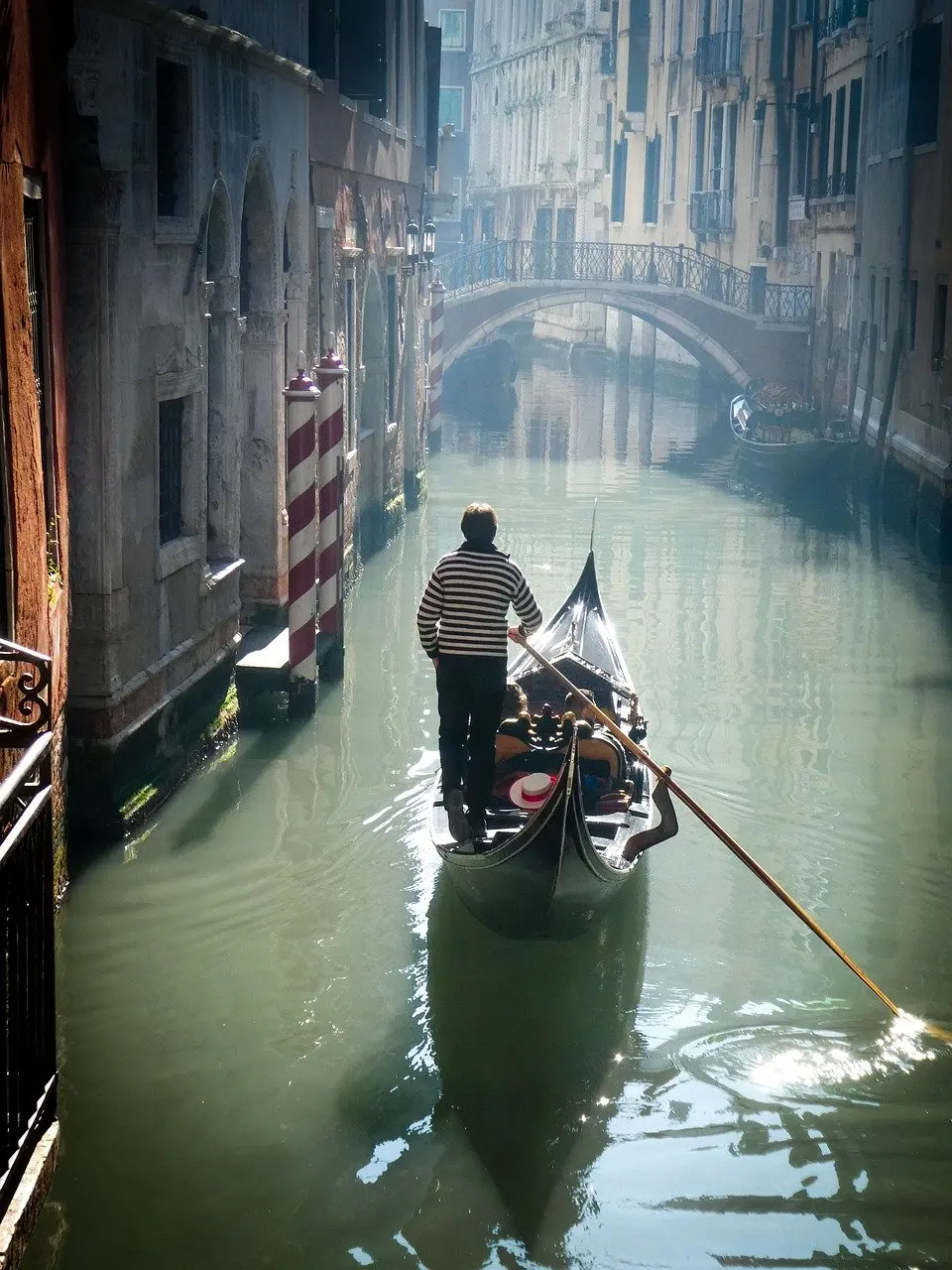
Using the traghetto
The Grand Canal has few bridges for its length, so a traghetto, a gondola ferry that crosses the canal, is the local shortcut between the two banks. It suits a short crossing where a vaporetto would mean walking to a stop and waiting for a boat. Treat it as a quick hop, not a sightseeing ride, and check the fare and operating hours at the crossing itself because they can differ from the water bus.
When to stop and wait
Not every delay is worth fighting. If a bridge is packed and a boat is not imminent, stepping into a side street to let the crowd thin is often quicker than pushing through. Likewise, if the weather or tide turns, a slower route on higher ground is better than a shortcut across a low square.
The lagoon islands
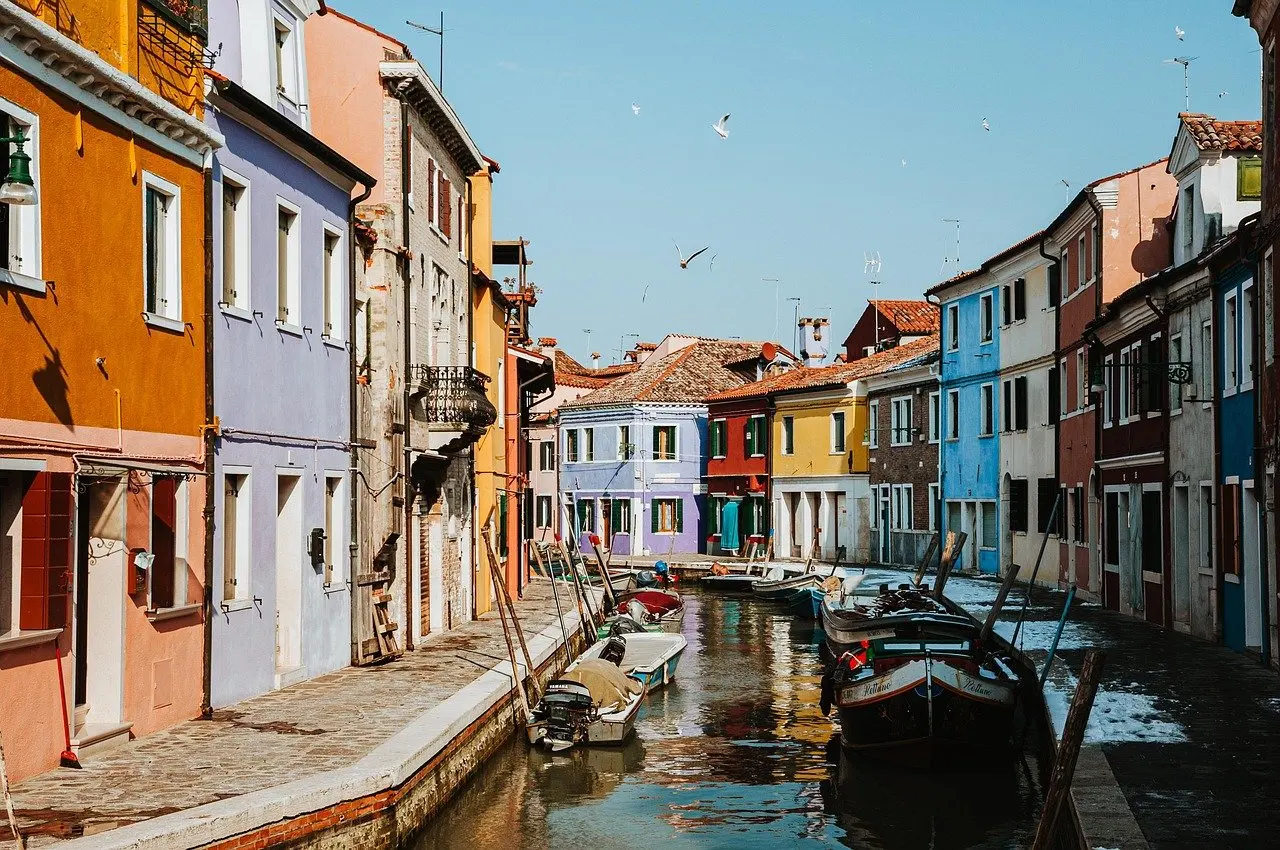
The lagoon islands are reached by water, so the sensible way to plan them is by line and departure stop. Murano, famous for glassmaking, is reachable with line 3 or line 12, and Burano with line 12, according to the island travel page.
Murano, Burano and Torcello from one stop
The transport guide points out that from the Fondamente Nove stop you can take line 12 and visit Murano, Burano and Torcello. That makes Fondamente Nove the natural base for a combined island day, especially if glass is the reason for the trip and you want to add more than the glassmaking island.
For the practical details of getting to Burano and Torcello, including how to get to burano from venice, use the Burano and Torcello day trip guide. The advice here is only to treat each island as a stop with its own return boat, and to allow enough daylight to come back without rushing the last departure.
The Lido
The Lido is a different kind of island trip, a place to spend a relaxed day rather than a single sight. The Grand Canal line starts from Lido S.M.E., which is why a boat from the Lido doubles as a ride into the city. For ideas on what to do there, see the guide to lido di venezia things to do.
Choosing between an island and a city day
A boat to an island is only worth it if you give it time. A half-hearted visit squeezed between city sights usually leaves you watching the clock, so give an island its own half day at least. If time is short, pick one island rather than several, and pick the one that matches your interest: glassmaking at Murano, colour and quiet streets at Burano, or a longer lagoon outing combining them.
Fondamente Nove is a useful pivot because one line serves several islands. The same line also helps if your plans change on the day, since you can decide at the stop which island to board for.
Acqua alta and tides
Acqua alta is Venice’s seasonal high water, and it affects visitors by flooding low streets and squares. The Lucky Earth guide places the acqua alta high water in autumn and winter, so that is the period when a tide check becomes part of the morning routine.
How it changes a day
On a day with high water, the route that looked simple on the map may include a flooded square. Squares and low streets near the waterfront are the first places to be affected, and a popular area such as San Marco can look very different from a normal day. The practical response is to change the order of the day, saving indoor sights for the highest tide and walking higher ground when the water drops.

Checking forecasts and preparing
Venice’s tide forecast centre, the Centro Previsioni e Segnalazioni Maree, is the body to consult for forecasts and alerts. Check it before you leave your accommodation, not once you are on the street, and look again before returning in the evening. The full explanation of the alert system and how tides work is in the guide to acqua alta venice.
Packing matters too. Waterproof footwear and an easy-dry outfit let you carry on when water is shallow, and the what to pack for venice guide covers what to bring. If water is deeper than your boots allow, do not push on, and rearrange the day instead.
Boat travel also needs a flexible plan. High water can change how comfortable it is to walk to and from stops, so give yourself extra time and keep an alternative route in mind. When the forecast is poor, move island trips and long walks to another day if you can.
Eating like a local
Where locals eat in Venice is, above all, the bacaro, the traditional Venetian pub. The transport guide mentioned earlier says you will find yourself next to a typical Venetian pub, a bacaro, near the Zattere and suggests enjoying a spritz and some cicchetti there.
Cicchetti and the bacaro habit
Cicchetti are small bites served at the counter, usually taken with a drink. The habit of a spritz and a few cicchetti suits a light meal, a pause in a walking day, or a way to try several flavours without committing to a full sit-down dinner. Order a few at a time and add more, which keeps the food fresh and the bill under control.
The bacaro is also a reminder that eating cheaply and eating well in Venice are not opposites. Standing at the counter and sharing small plates is the format that puts you among residents, rather than in a dining room built for tour groups. For what to look for on the plate, see the guide to traditional venetian dishes.

Shopping at Rialto
The Rialto area is also where Venice’s food shopping is concentrated. The city guide cited earlier names the Rialto bridge as a chokepoint, so the market area can be crowded. Go with a plan, such as a short list of items, and treat it as a place to do the shopping rather than to linger on the bridge. The guide to rialto market venice covers what the market offers and how to shop there.

Water and small habits
A reusable bottle and a map of public taps save money and plastic over a long day on foot. The guide to venice drinking fountains explains where to refill and how the taps work.
Rules, costs and visitor etiquette
Moving around well in Venice includes knowing the rules of the place. Day visitors should check the venice entry fee information before travelling, as it can affect which days suit the trip. Overnight guests will want the guide to the venice city tax hotel charge so the cost does not come as a surprise at check-out.
Behaviour on the street and on boats is also regulated. The guide to venice rules for tourists explains what is expected and what can lead to a fine. The simple version is to keep walkways clear, step aside for people with luggage, and follow the instructions at boat stops.
Water routes at a glance
The table below pulls the water routes mentioned above into one place, so you can pick a line by purpose. Use it as a planning aid, then confirm current timetables and stops with ACTV before travelling.
| Line | What it does | Planning use |
|---|---|---|
| Line 1 | Sails through the heart of Venice via the Grand Canal, from Lido S.M.E. | Choose it for a Grand Canal ride that also gets you across the city or to the Lido. |
| Line 5.2 | Completes its itinerary around the city in around 1 hour 20 minutes, running the complete route between 5:50 a.m. and 7:30 p.m., about every 20 minutes. | Use it as a circuit around the city rather than a quick shortcut, within its operating hours. |
| Line 3 | Reaches Murano. | An alternative to line 12 when Murano is the only island on the list. |
| Line 12 | Serves Murano, Burano and Torcello from Fondamente Nove. | The best fit for a combined island day from a single departure stop. |
The figures come from the Venice transport guide and the island travel page.
Putting a day together
A balanced day in Venice usually mixes one boat ride, plenty of walking and a meal at a counter. Start with the part that depends on the clock, whether that is a boat to an island or a tide-sensitive square, and fit everything else around it. In autumn and winter, check the tide before settling the order.
When you are unsure what to prioritise, let the water decide. A line that serves several islands from a single stop, a short traghetto hop across the Grand Canal and a bacaro for a late snack make a more relaxed day than a packed list of sights.
Return to the detailed guides whenever a decision gets complicated: fares and passes first, then lines, then arrival transfers, then tides. Each handles one question in more depth, so you can plan the part of the trip that matters without rereading the rest.
Frequently asked questions
Which stop do I use to start an island day?
Fondamente Nove is the stop to start from, because line 12 from there continues to Murano, Burano and Torcello.
When does a multi-day vaporetto pass start counting?
Rick Steves forum travellers report that the clock begins at your first validated ride, not at purchase. Validate each time you board all the same.
Should I avoid Venice in autumn and winter because of acqua alta?
Not necessarily. High water is a feature of those seasons, so it is a reason to check the tide forecast each morning and rearrange the day, not necessarily to cancel.
Which areas are most crowded when walking?
San Marco and the Rialto bridge are named as the chokepoints, so allow extra time around them or use side routes.